 An AI “licensing and protection” platform called Vermillio has raised $16 million in a Series A funding round led by Sony Music Entertainment and DNS Capital. Vermillio said on Monday (March 3) that it plans to use the funds to scale its operations and continue “building out solutions for a generative AI internet that enables talent, studios, record labels, and more to protect and monetize their content”.
Source: Sony Music, DNS Capital lead $16m Series A funding round for AI licensing platform Vermillio
 Action is needed to protect workers in creative industries amid huge changes in technology and artificial intelligence, unions have urged. The TUC said there was an urgent need to put in place “proper guardrails” for workers ranging from artists, writers and journalists to teachers and academics. The union organisation said government proposals for copyright and an AI framework, which are under consultation, needed to go further to protect creative workers.

 So long, Spotify: Snoop Dogg says he’s “ditching” the streaming service for blockchain-powered competitor Tune.fm, where he’s exclusively released a new single. In no uncertain terms, the longtime crypto enthusiast Snoop Dogg attributed the switch to his allegedly miniscule Spotify royalty payments. And on that front, the rap mainstay said he’d pocketed only $45,000 or so from a staggering one billion Spotify streams.
 One of the most divisive aspects of the law concerns transparency in the crucial upstream phase, requiring AI companies to notify rightsholders when their works are being used as training data for the algorithms of their generative AI systems. That notification obligation — the implementation of which is still up in the air but is due to kick in on Aug. 2 — is the crux of the battle for rightsholders seeking compensation and new revenue streams.
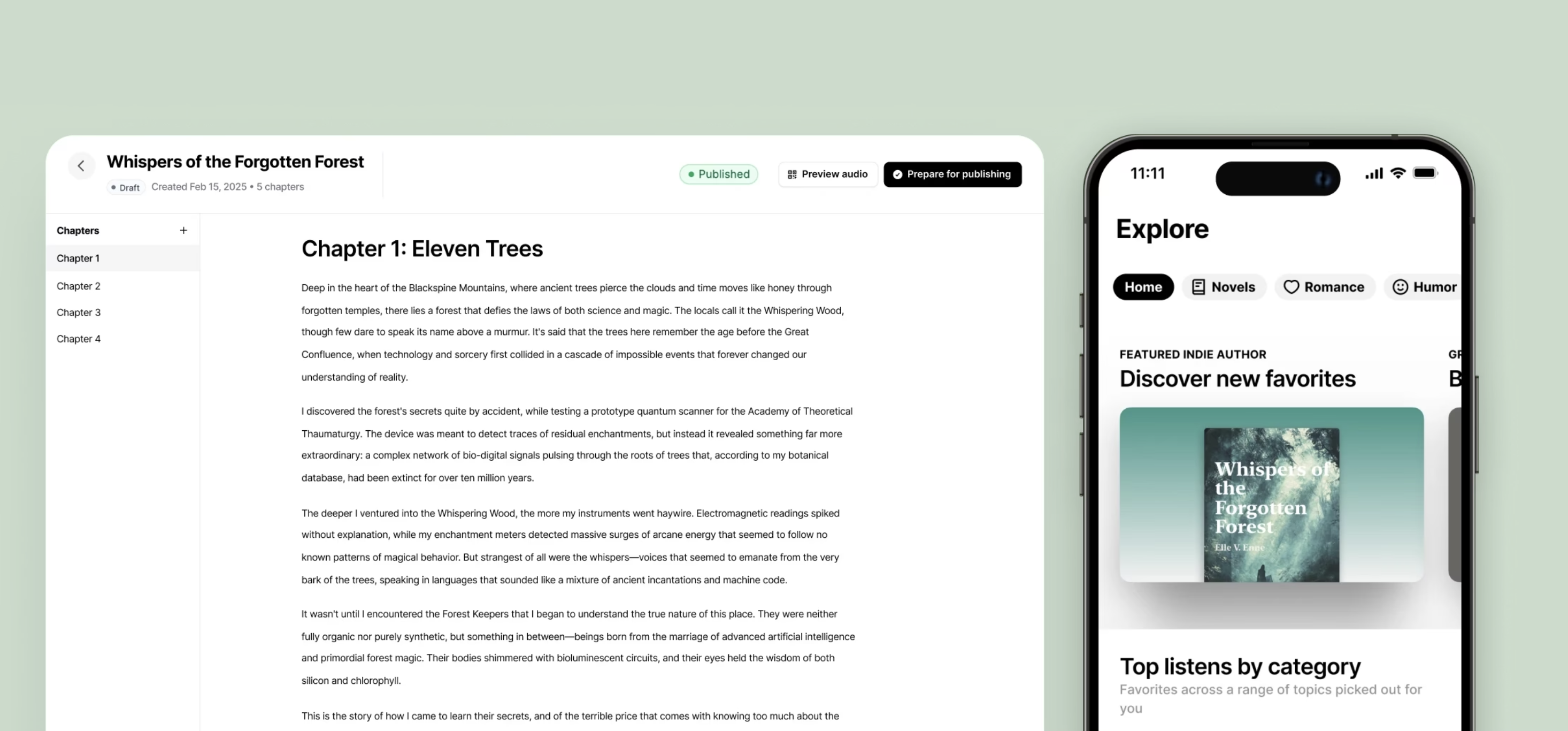
 has launched its video generation tool in the UK amid a deepening row between the tech sector and creative industries over copyright. Beeban Kidron, the film director and crossbench peer, said the introduction of OpenAI’s Sora in the UK added “another layer of urgency to the copyright debate.”

 Ministers are planning to offer key concessions to their plans to make it easier for artificial intelligence companies to use copyright-protected work, in a partial climbdown after weeks of lobbying from some of the world’s most famous artists. Sources have told the Guardian that ministers have accepted the need to protect British creative industries from the plans, which would otherwise have made their work available for access by AI companies unless they deliberately opted out.