
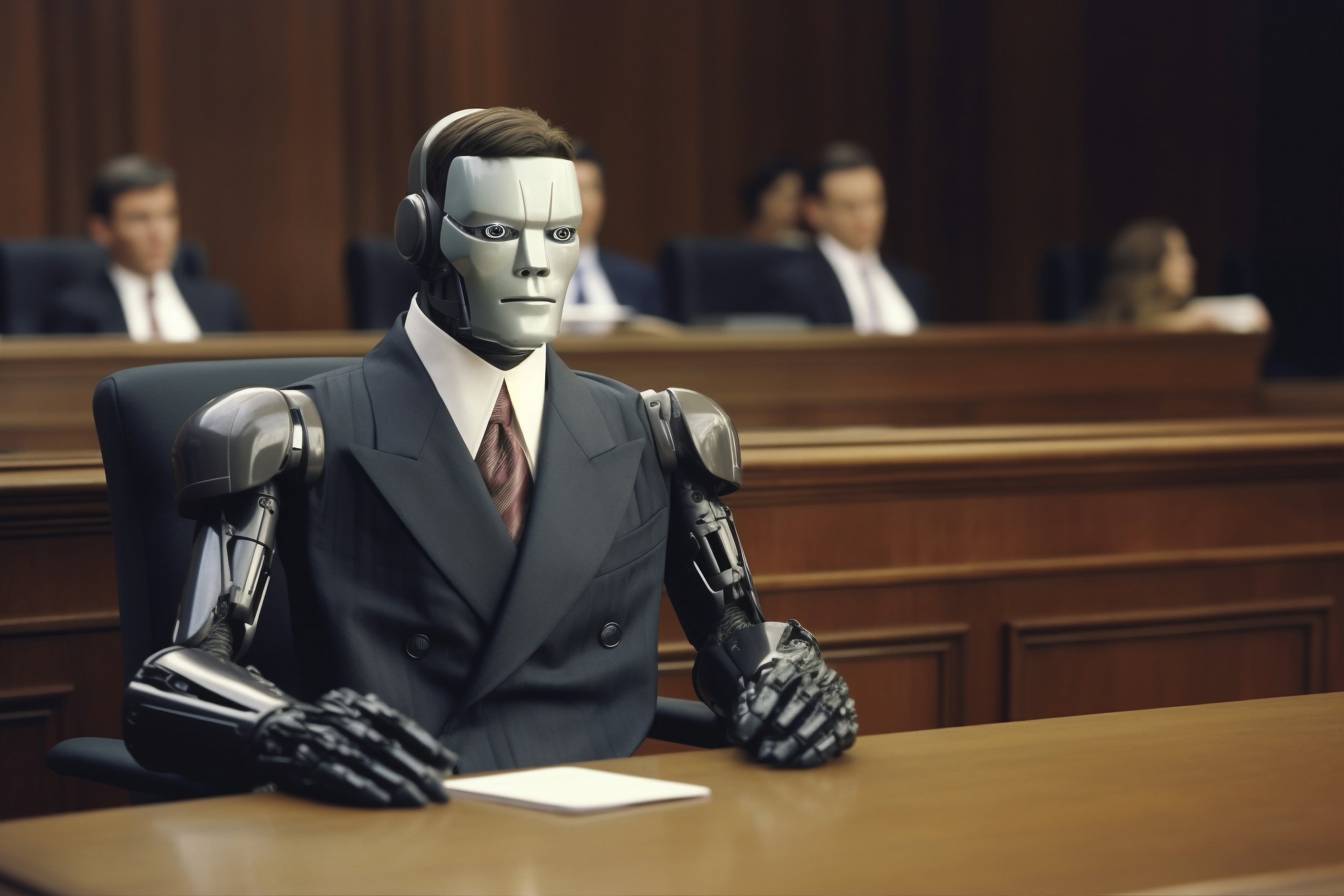
 Hollywood’s latest drama isn’t unfolding on screen—it’s playing out in legal departments, writers’ rooms, and the fast-evolving field of intellectual property law. With AI now assisting in everything from script treatments to concept art, the industry is facing one key question: Who owns what the machine creates? S
Source: Who Owns AI-Created Stories? Hollywood Grapples With a Shifting IP Landscape — AI In Hollywood
 Ziff Davis, the parent company of several digital media brands, filed a lawsuit in Delaware federal court against OpenAI for copyright infringement. In the complaint, the nearly 100-year-old publisher claims the artificial intelligence company has copied its written works verbatim to train the model behind popular chatbot ChatGPT.

 UK licensing bodies have announced a “pioneering” collective license that will allow authors to be paid for the use of their works to train generative AI models. The Copyright Licensing Agency (CLA) – which is directed by the Publishers’ Licensing Services (PLS) and the Authors’ Licensing and Collecting Society (ALCS), representing publishers and authors – will develop the license, set to be the first of its kind in the UK.
 Apple was fined 500 million euros ($570 million) and Meta was fined €200 million ($230 million) for breaking the Digital Markets Act, which was adopted in 2022. The European law aims to keep big tech companies from abusing their position as digital gatekeepers that can unilaterally impose requirements on users and businesses.
 The Washington Post, owned by Amazon founder Jeff Bezos, has gone into business with artificial-intelligence powerhouse OpenAI. Under the agreement, ChatGPT will display summaries, quotes and links to original reporting from the Washington Post in response to relevant search queries. ChatGPT will featur the Post’s content across politics, global affairs, business, technology and more, “always with clear attribution and direct links to full articles,” the newspaper said.