 The new bill is similar to last year’s, in that it effectively creates a right of publicity at the US federal level for the first time. The bill aims to reduce potential litigation by giving platforms featuring user-generated content (UGC) immunity if they quickly remove unauthorized deepfakes and notify the complainant once a deepfake has been removed. It also seeks to protect First Amendment rights by creating exemptions for such things as news reporting and satire.
Headlines
Internet Archive, Major Labels ‘Optimistic’ About Lawsuit Settlement
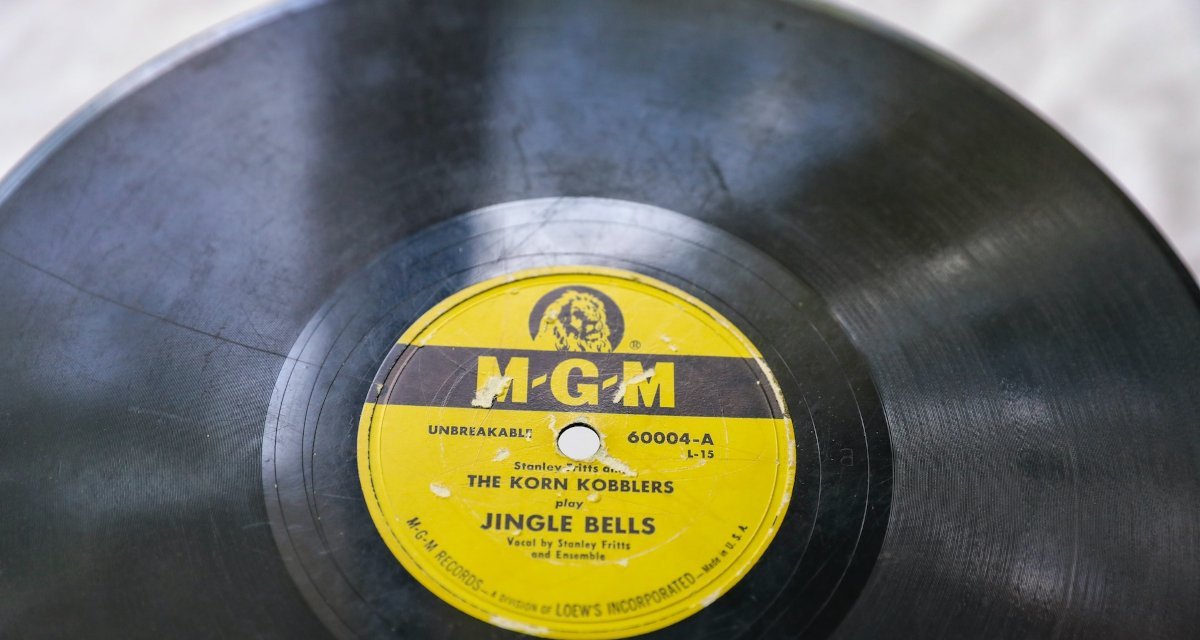 Multiple years and twists later, the major labels’ copyright infringement lawsuit against the Internet Archive looks to be trending towards a resolution. That’s according to the litigants themselves, which just recently requested a 30-day stay in the case. The presiding judge promptly approved the sought pause, and as a result, we should know sooner rather than later whether the parties will finally put the matter to bed.
Source: Internet Archive, Major Labels ‘Optimistic’ About Lawsuit Settlement
Spotify Invests $1.1M to Ramp Up Non-English Audiobooks
 Spotify has announced a plan to invest €1 million ($1.1 million) to boost audiobook production in languages other than English, starting with French and Dutch. Adoption of Spotify’s audiobook offerings has been relatively slow in the Netherlands and France. According to Spotify, only about 20,000 audiobooks in French compared to around 750,000 physical books. In the Netherlands, around 15,000 Dutch audiobooks are available out of a physical library of around 209,000 titles.
Source: Spotify Invests $1.1M to Ramp Up Non-English Audiobooks
OpenAI Asks Court to Bar Elon Musk From Unfairly Attacking It
 OpenAI asked a federal court on Wednesday to bar Elon Musk from unfairly attacking it through a high-profile lawsuit he filed last year, the latest move in a bitter feud between the artificial intelligence start-up and the world’s richest man. In a filing in federal court in San Francisco, OpenAI said Mr. Musk had “made it his project to take down OpenAI.” The company asked the court to hold Mr. Musk responsible for any damage he has caused the firm.
Source: OpenAI Asks Court to Bar Elon Musk From Unfairly Attacking It
Alphabet Faces Investor Concern About AI Challenge to Search Business
 Investors are concerned that Alphabet’s dominance in search means it has nowhere to go but down, that the company has fallen behind its competitors in AI, that it is making substantial investments in AI, and that younger consumers are using AI services rather than traditional search, according to the report. Since January 2023, around the time OpenAI’s ChatGPT appeared, Alphabet’s share of the global market for search engines has slid from 92.9% to 89.6%, the report said.
Source: Alphabet Faces Investor Concern About AI Challenge to Search Business | PYMNTS.com
Meta to start training its AI models on public content in the EU
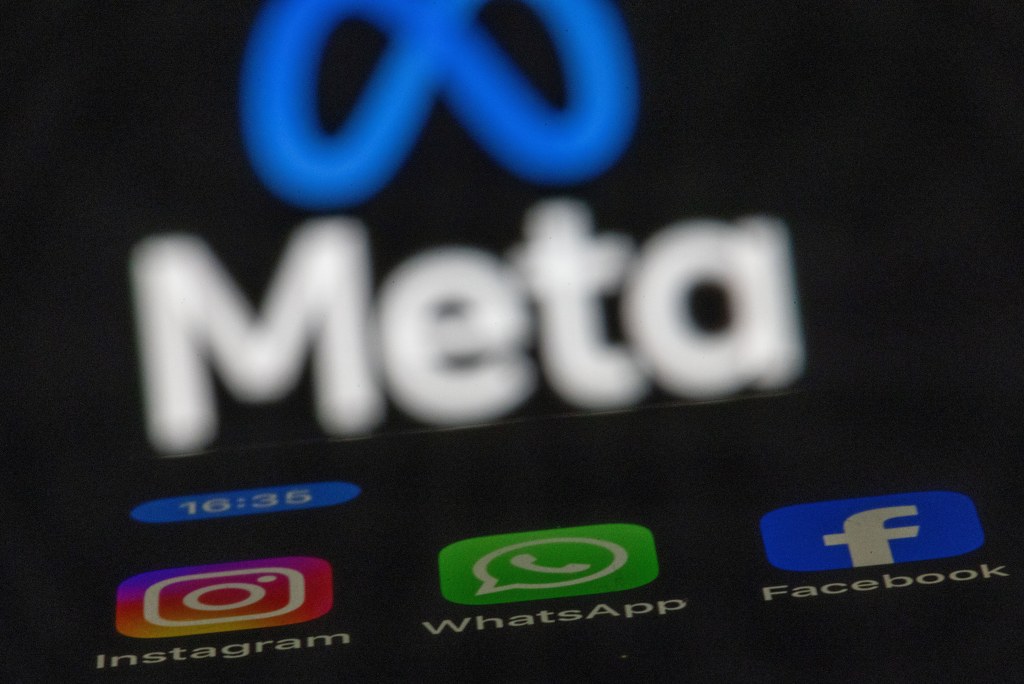 Meta announced on Monday that it’s going to train its AI models on public content, such as posts and comments on Facebook and Instagram, in the EU after previously pausing its plans to do so in response to regulatory pressure due to to data privacy concerns. The company will start training its AI on users’ content in the EU this week, it said. Users’ interactions with Meta AI will also be used to train its models.
Source: Meta to start training its AI models on public content in the EU | TechCrunch
Lawmakers Renew Push to Outlaw AI Clones
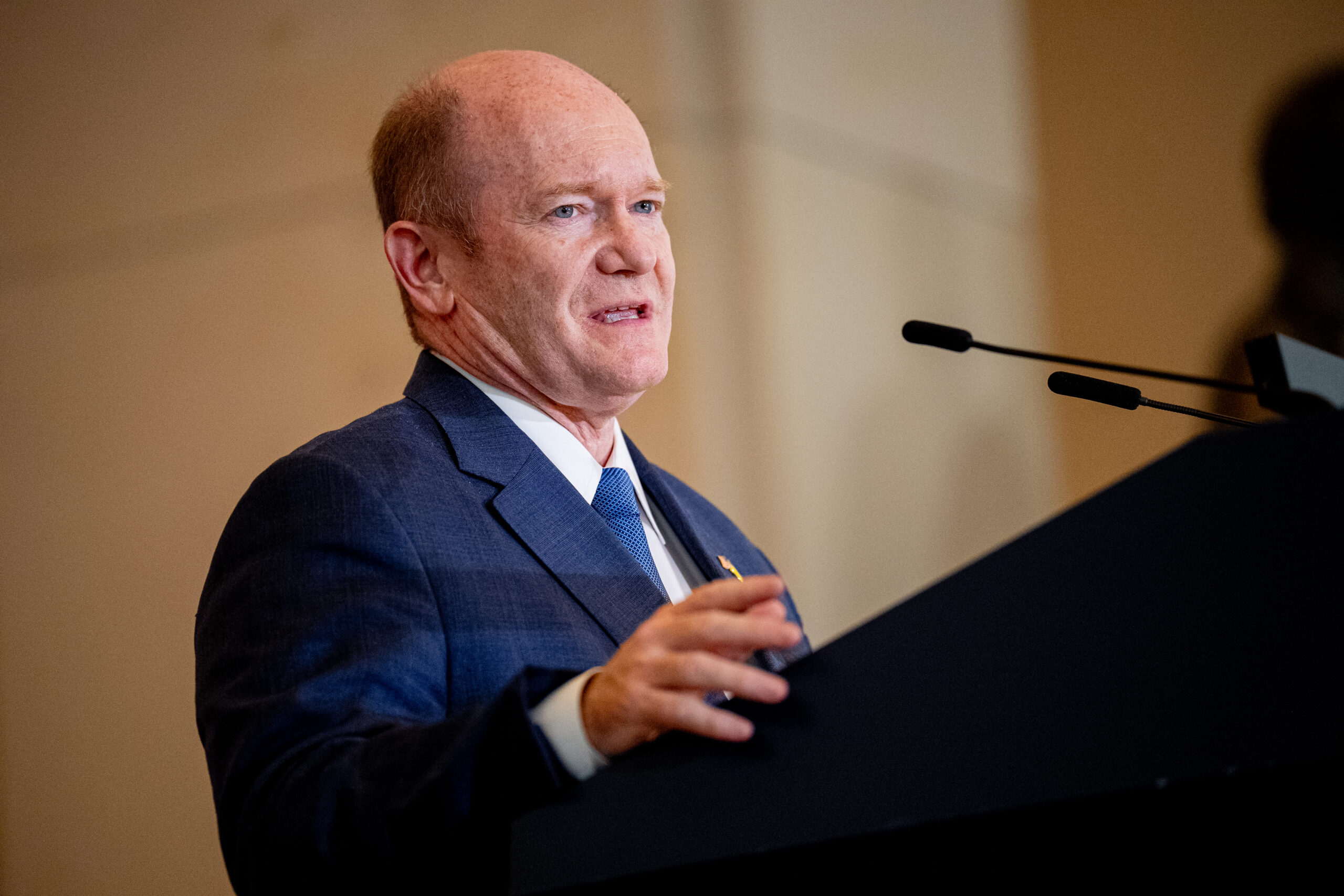 Sens. Chris Coons, D-Del., and Marsha Blackburn, R-Tenn., originally introduced the No Fakes Act in 2023, which would make it illegal to distribute a computer-generated likeness of a person without their consent. SAG-AFTRA, which represents 160,000 performers, and the Recording Industry Association of America have each made the bill a top priority, as they fear that artificial intelligence will lead to a deluge of impersonation.
Source: YouTube Endorses No Fakes Act, as Lawmakers Renew Push to Outlaw Unauthorized AI Clones
Politicians Assert U.S. Constitution Mandates Protecting Creativity
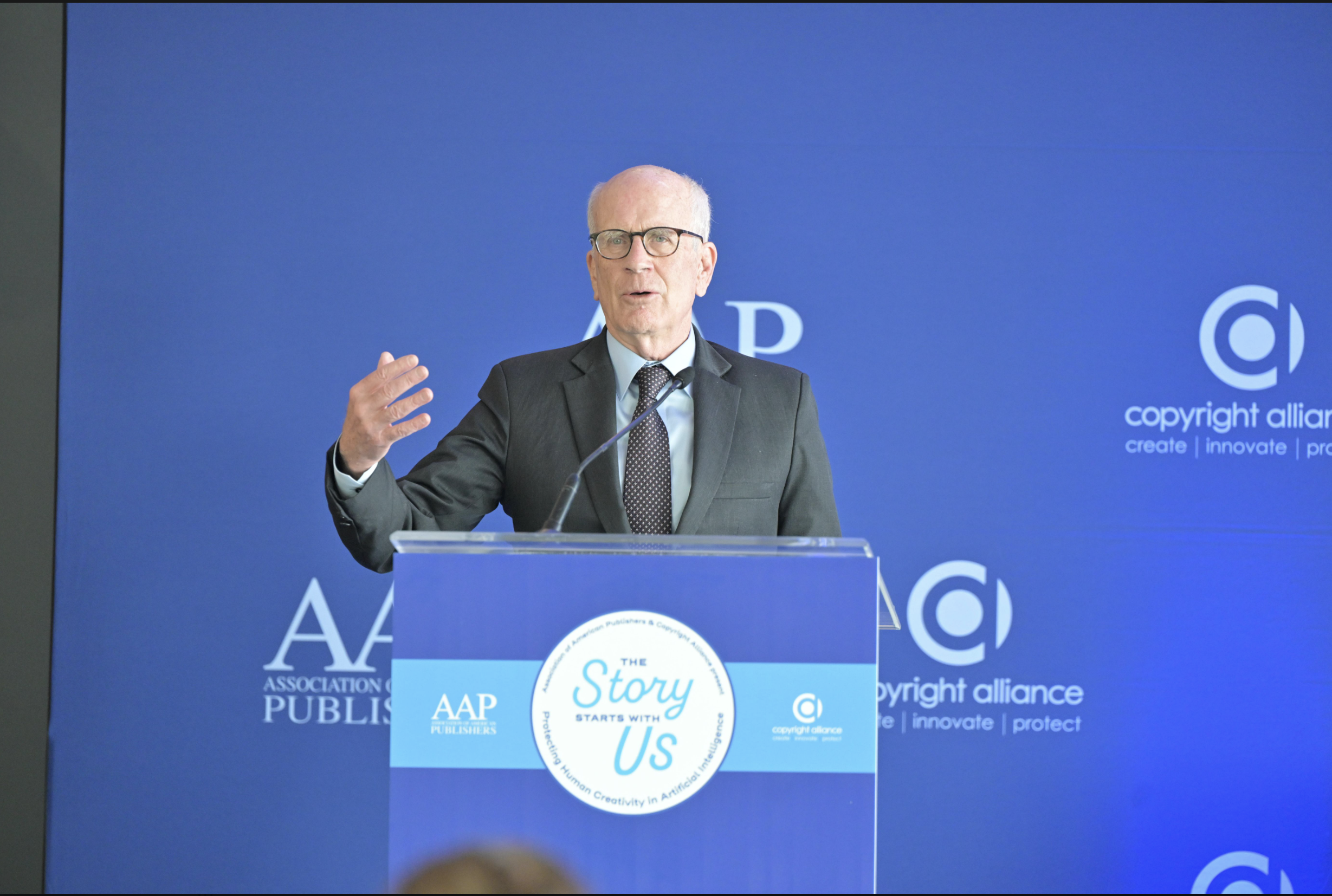 At an April 8 summit on AI, held in Washington, D.C., by the Association of American Publishers and the Copyright Alliance, Vermont senator Peter Welch and former Virginia representative Bob Goodlatte, among others, stressed that copyright protections should not be dismantled to accelerate AI development.
Source: Politicians Assert U.S. Constitution Mandates Protecting Creativity
IETF building tech to tell AI scrapers what authors want
 The Internet Engineering Task Force has chartered a group it hopes will create a standard that lets content creators tell AI developers whether it’s OK to use their work. Named the AI Preferences Working Group (AIPREF), the AIPREF charter suggests “attaching preferences to content either by including preferences in content metadata or by signaling preferences using the protocol that delivers content” as the ways to get this done.
Source: IETF building tech to tell AI scrapers what authors want
Europe unveils plan to become ‘AI continent’ with simpler rules, more infrastructure
 Among the ways Europe plans to bolster regional AI developments are a commitment to build a network of AI factories and “gigafactories” and create specialized labs designed to improve the access of startups to high-quality training data. The bloc will also create a new AI Act Service Desk to help regional firms comply with its landmark AI law.
Source: Europe unveils plan to become ‘AI continent’ with simpler rules, more infrastructure