 Some Hollywood studios are reportedly earning money from fake AI-generated movie trailers on YouTube, against the wishes of the union representing actors. According to a report from Deadline, Warner Bros. Discovery, Paramount, and Sony Pictures redirected ad revenue to themselves instead of enforcing copyright protections and shutting down the popular Screen Culture and KH Studio trailer accounts.
Source: Movie studios are being financially rewarded for AI slop on YouTube
 A federal judge on Wednesday rejected OpenAI’s request to toss out a copyright lawsuit from The New York Times that alleges that the tech company exploited the newspaper’s content without permission or payment. In an order allowing the lawsuit to go forward, Judge Sidney Stein, of the Southern District of New York, narrowed the scope of the lawsuit but allowed the case’s main copyright infringement claims to go forward.
 As reported earlier today (March 26), a federal judge in California shot down a request from UMG and the other music publishers (including Concord and ABCKO) to block the AI company from using song lyrics to train its AI models. Importantly, the court did, however, issue two separate but related discovery orders on March 25 – granting Universal and the other publisher plaintiffs significant investigative tools to potentially improve their legal arguments.
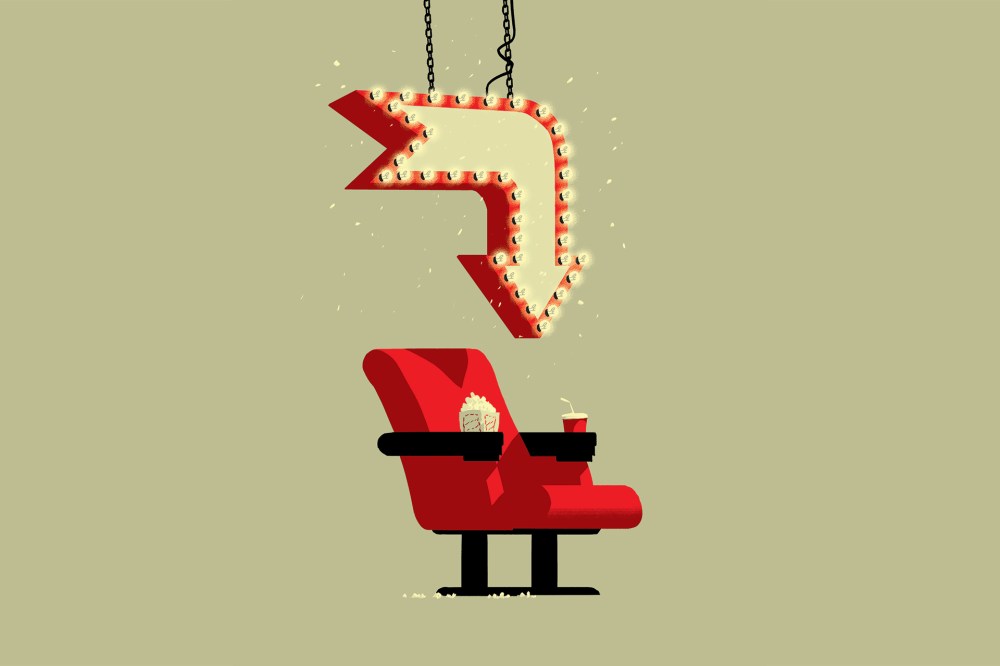
 PPL, the UK’s collective management organization (CMO) for performers and recording rightsholders, recorded the highest revenue in its 90-year history in 2024. Revenue for the year rose 6% year-on-year to GBP £301 million (USD $384.4 million at the average exchange rate for 2024) from the previous record of £283.5 million ($352.6 million) set in 2023.
 Today’s refined GPT-4o model makes it easier for consumers, and businesses, to create more life-like images and paragraphs of comprehensible text—and even company logos and slide decks, OpenAI said. Behind the improvement to GPT-4o is a group of “human trainers” who labeled training data for the model—pointing out where typos, errant hands and faces had been made in AI-generated images.