
Technology

Lawmakers propose anti-nonconsensual AI porn bill after Taylor Swift controversy

The bipartisan bill builds on a provision in the Violence Against Women Act Reauthorization Act of 2022, which added a similar right of action for non-faked explicit images. In a summary, the sponsors described it as a response to an “exponentially” growing volume of digitally manipulated explicit AI images, referencing Taylor Swift’s case as an example of how the fakes can be “used to exploit and harass women — particularly public figures, politicians, and celebrities.”

Source: Lawmakers propose anti-nonconsensual AI porn bill after Taylor Swift controversy

Using A.I., Hollywood Agency and Tech Start-Up Aim to Protect Artists

The talent agency WME announced a partnership with the technology firm Vermillio on Tuesday that it hopes will protect its clients from having their likenesses misused through artificial intelligence technology. Vermillio has created a platform, Trace ID, that could insulate WME clients from thefts of their likeness and intellectual property by using A.I. technology to track images.

Source: Using A.I., Hollywood Agency and Tech Start-Up Aim to Protect Artists

Which entertainment jobs are most likely to be disrupted by AI? New study has answers

An estimated 62,000 entertainment jobs in California spanning film, TV, music and gaming will be disrupted by the rise of artificial intelligence within the next three years, a new study says. Published Monday, the report further estimates that 204,000 entertainment jobs across the United States will be affected by AI during the same time frame.

Source: Which entertainment jobs are most likely to be disrupted by AI? New study has answers

Inside the Music Industry’s High-Stakes A.I. Experiments

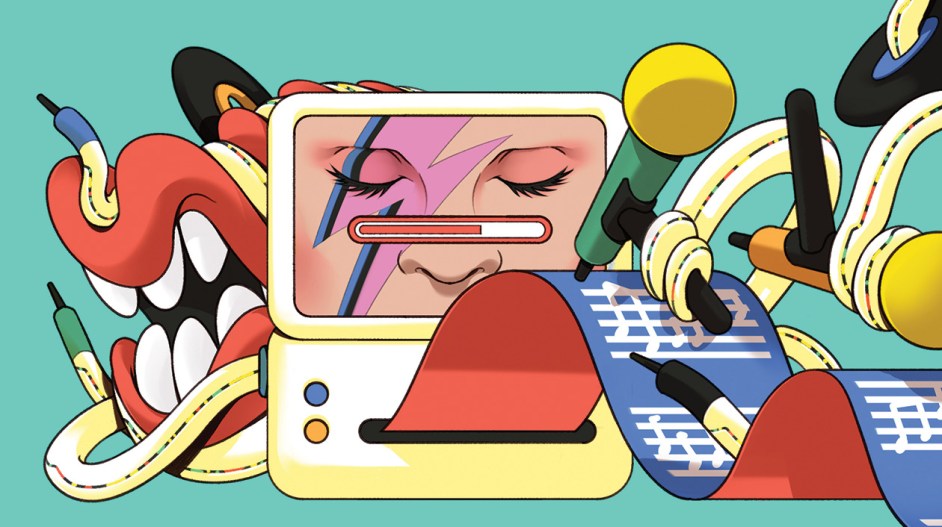
The industry is facing yet another revolution, but what sort isn’t yet clear. Is A.I. a format change in the way music is consumed, like the transition from records and cassettes to CDs, or is it a threat to the business model, as were free downloading and file-sharing? Is generative A.I. a new kind of digital workstation for making music, or is it the new radio—a platform for promoting acts and engaging with fans?

Source: Inside the Music Industry’s High-Stakes A.I. Experiments

AI poisoning tool Nightshade received 250,000 downloads in 5 days

Nightshade, a new, free downloadable tool created by computer science researchers at the University of Chicago designed to be used by artists to disrupt AI models scraping and training on their artworks without consent, has received 250,000 downloads in the first five days of its release. It’s a strong start for the free tool, and shows a robust appetite among some artists to protect their work from being used to train AI without consent.

Source: AI poisoning tool Nightshade received 250,000 downloads in 5 days: ‘beyond anything we imagined’

Confronting Publishing’s AI Fears

The legal disputes around the development of AI are serious business. But when thinking of these suits, an old adage comes to mind: this isn’t about justice, this is about the law. And the legal questions swirling around AI in this moment are less about what’s broadly fair and more specifically about fair use—which, to many authors and publishers, is only sometimes fair.

Source: Confronting Publishing’s AI Fears

The AI-generated Books Trend is Getting Worse

A surge in AI-generated literature is raising concerns among some who believe this trend could undermine the authenticity and value of the reading experience. The debate is intensifying amid increasing worries about the rise of generative AI and its potential impact on jobs, especially those involving creative professionals. There is growing apprehension that AI-created content might eventually replace human-produced materials.

Source: The AI-generated Books Trend is Getting Worse

AI Audio Deepfakes Are Quickly Outpacing Detection

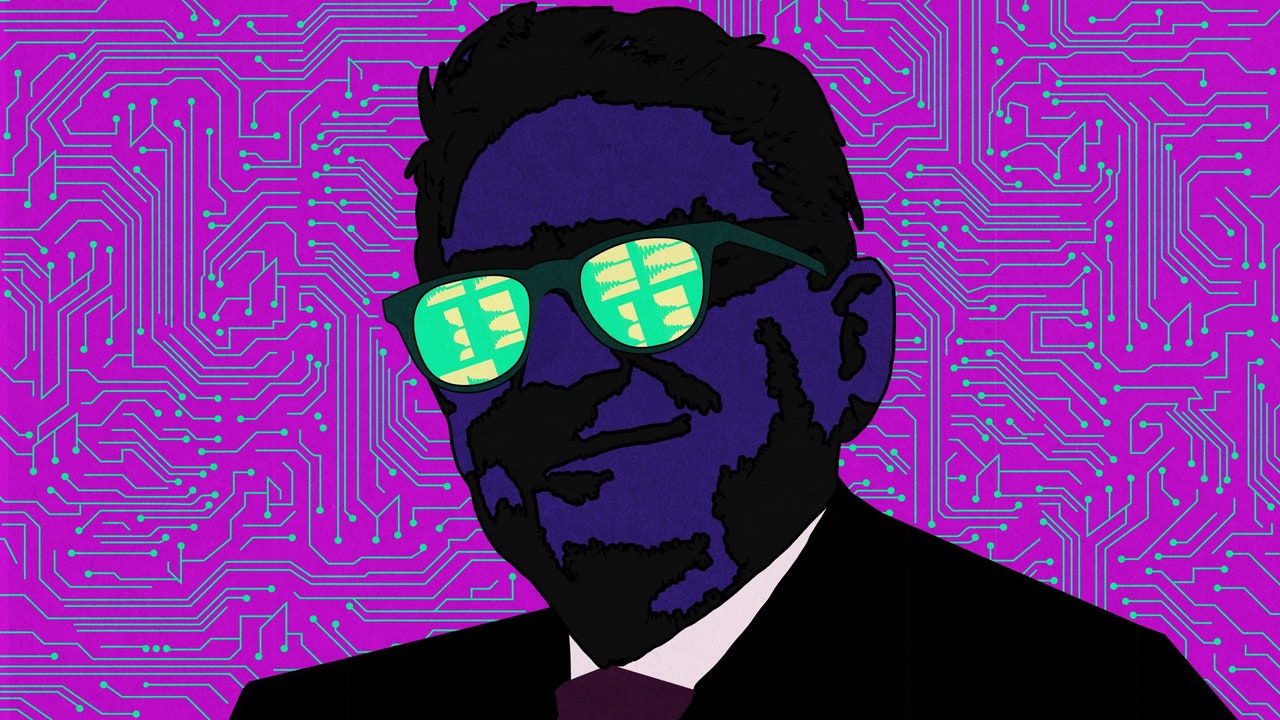
Experts have long warned of a future where artificial intelligence makes it impossible to tell digital fact from fiction. Now that future is here. Scientific American spoke with Hany Farid, a computer science professor at the University of California, Berkeley, who studies digital forensics and media analysis. Farid has developed tools for deepfake detection that analyze  audio, images and videos.

Source: AI Audio Deepfakes Are Quickly Outpacing Detection

George Carlin’s estate sues over AI-generated stand-up special titled ‘I’m glad I’m dead’

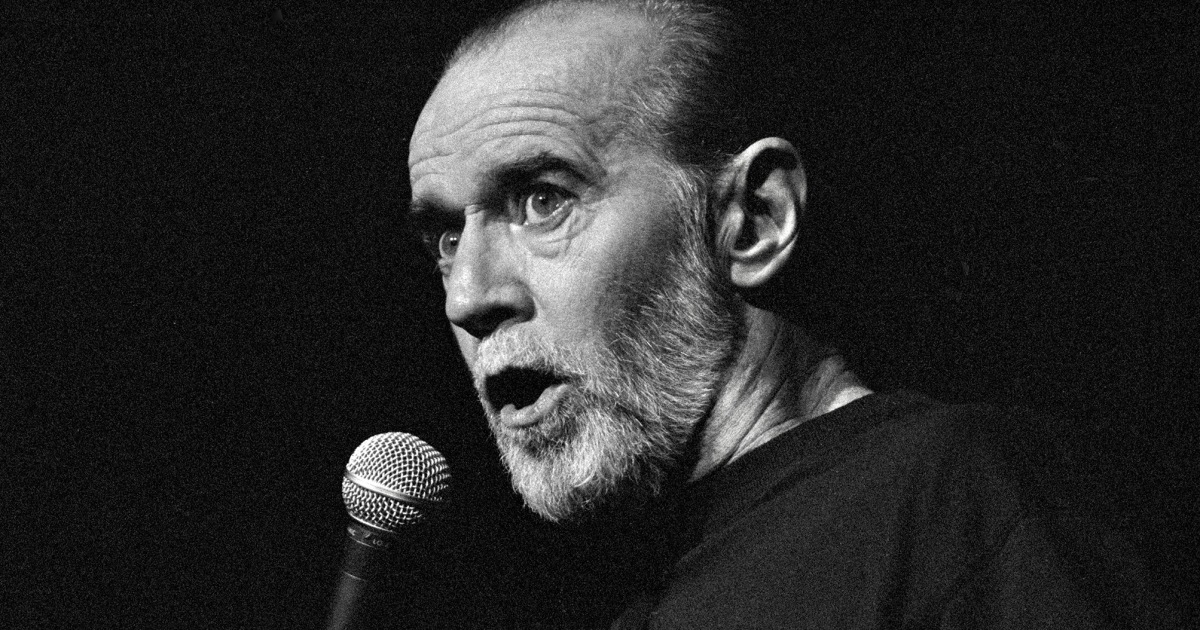
The estate of comedy legend George Carlin has filed a lawsuit against the makers of an hour-long video featuring a version of him made using artificial intelligence, accusing them of stealing “a great American artist’s work.” A voice sounding remarkably like the comedian, who died of heart failure in 2008, appears on a “comedy special” titled “George Carlin: I’m glad I’m dead,” which was uploaded to YouTube earlier this month by the Dudesy channel.

Source: George Carlin’s estate sues over AI-generated stand-up special titled ‘I’m glad I’m dead’

Google Trained Its AI on Copyrighted Music, Sources Say — Now It’s Trying to Make Deals

While some of the major labels are touting YouTube as an important partner in the evolving world of music and AI, not everyone in the music industry has been as enthusiastic about these new efforts. That’s because Google trained its model on a large set of music — including copyrighted major-label recordings — and then went to show it to rights holders, rather than asking permission first.

Source: Google Trained Its AI on Copyrighted Music, Sources Say — Now It’s Trying to Make Deals

Get the latest RightsTech news and analysis delivered directly in your inbox every week
We respect your privacy.