 So far, almost all contentious AI-generated images have been debunked within hours, mostly because of the power of social media to quickly crowdsource errors in these photos that are often otherwise imperceptible. Big Tech companies and independent fact-checkers, too, have prioritized finding and removing such harmful politically motivated falsehoods. But audio remains uncharted territory.
Source: Spot the deepfake: The AI tools undermining our own eyes and ears

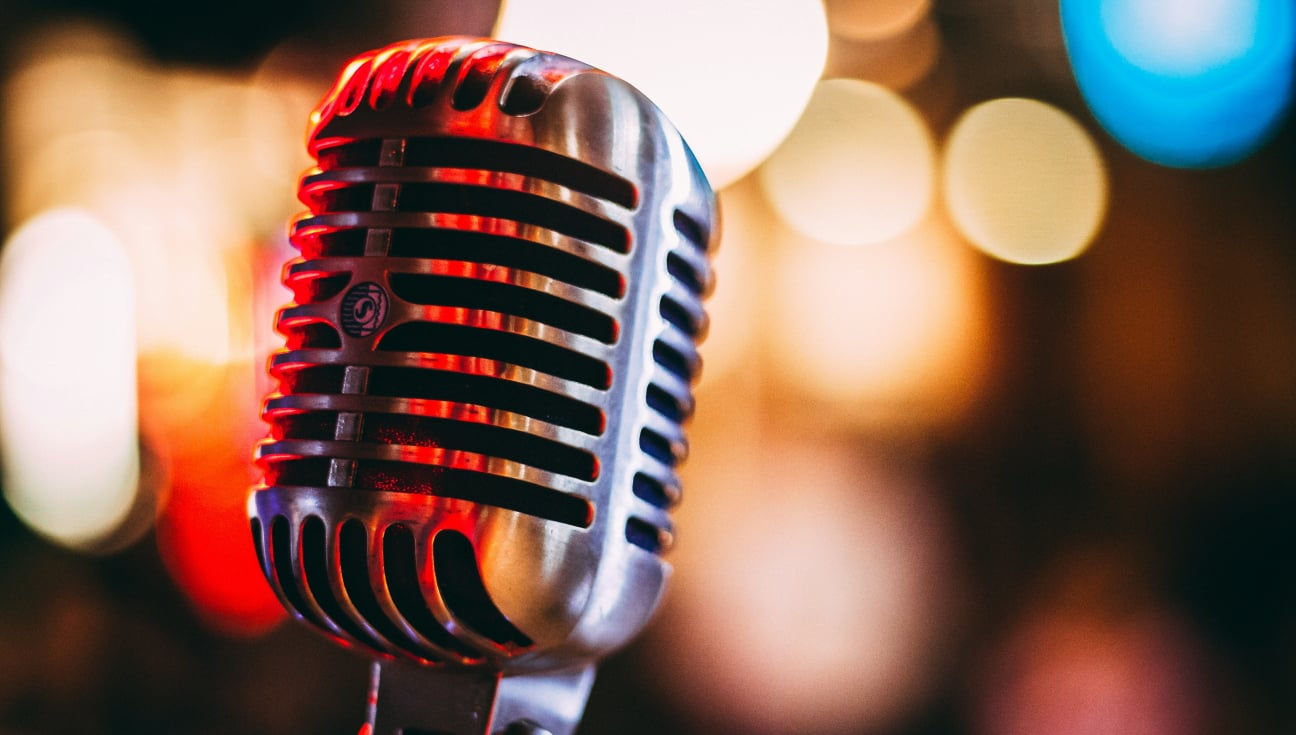
 The federal government is trying to promote efforts to counter so-called audio deepfakes by awarding four organizations prizes for developing technologies to distinguish between authentic human speech and audio generated by artificial intelligence. The prizes, awarded Monday by the Federal Trade Commission, come as the agency has issued warnings to consumers about scams using AI-generated voices and as concerns grow about the influence of deepfakes on this year’s elections.

 OpenAI, Google, and the French artificial intelligence startup Mistral have all released new versions of their frontier AI models within 12 hours of one another, as the industry prepares for a burst of activity over the summer. The unprecedented flurry of releases come as the sector readies for the expected launch of the next major version of GPT, the system that underpins OpenAI’s hit chatbot Chat-GPT.