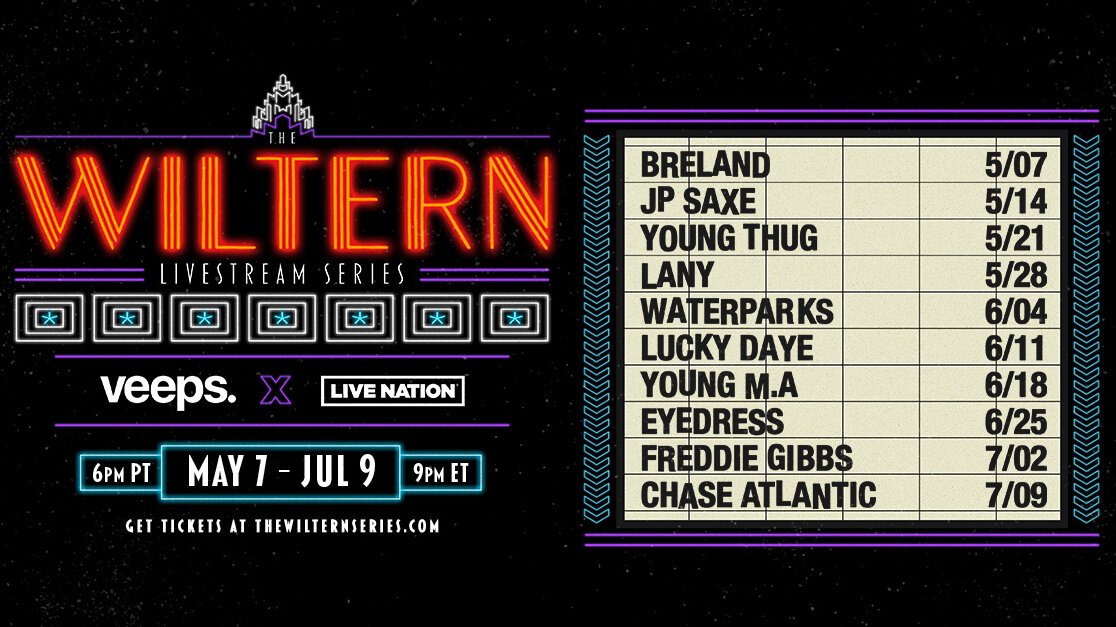
 Today, more than 98% of music repertoire usage is reported digitally. While the onset of digitization imposed obvious technology costs on PROs, songwriters should have long ago started benefiting from its improved efficiency. Yet, collection fees have continued to rise in terms of actual dollars and we’ve completely forfeited the potential benefits of globalization due to legacy back scratching.
Source: Pay It Again, Sam: We Still Need New Publishing Infrastructure (Guest Op-Ed)
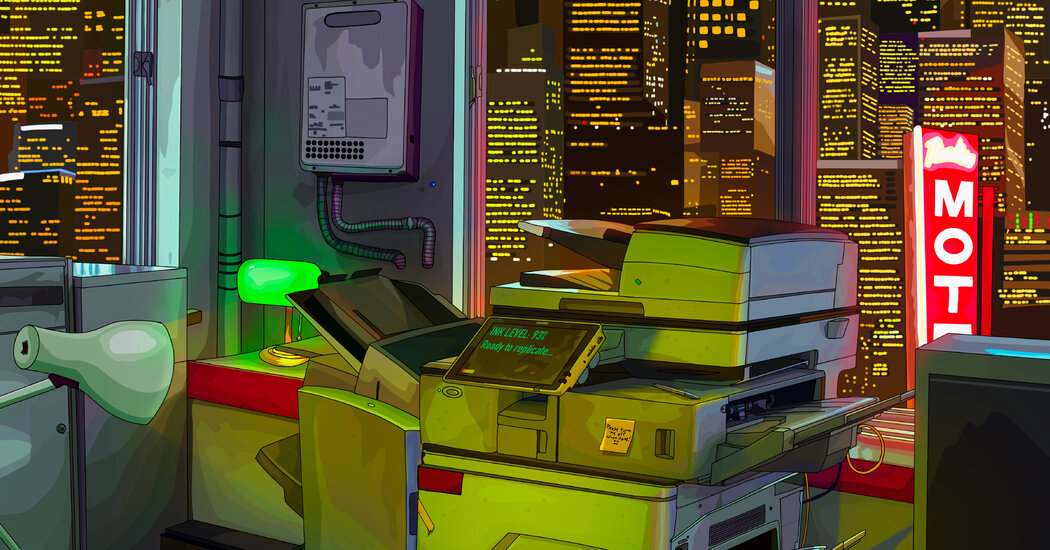



 In the opening days of April, an artist operating under the pseudonym Monsieur Personne (“Mr. Nobody”) tried to short-circuit the NFT hype machine by unleashing “sleepminting,” a process that complicates, if not corrodes, one of the value propositions underlying non-fungible tokens. His actions raise thorny questions about everything from coding, to copyright law, to consumer harm.
 For years, there has been a thriving market for streaming service accounts, with Spotify accounts selling for under a dollar. Many though not all of these are hacked. It’s so common that people commenting on their hackers’ music tastes has become somewhat of a meme and a quick search on Twitter pulls up countless examples.
 How completely has streaming transformed the music world? The platform rose from 7% of the U.S. market in 2010 to a whopping 83% by the end of 2020 — and recorded-music revenues saw their fifth consecutive year of growth, topping $12.2 billion. It’s no overstatement to say that streaming saved the recorded-music business, and that global market leader Spotify led the charge toward the stability and growth that the industry is enjoying today.