Technology

The NFT project tracking artworks from museum to blockchain

International art group Instigators is launching its inaugural NFT art project to explore how artworks can move from traditional galleries into the world of blockchain technology. “This is the first attempt of its kind, whereby we can track the path of an artwork from the hall of a museum into the cryptoworld — and in doing so, putting the issue of copies and originals at the heart of our discussion,” Koshelev says.

Source: The NFT project tracking artworks from museum to blockchain
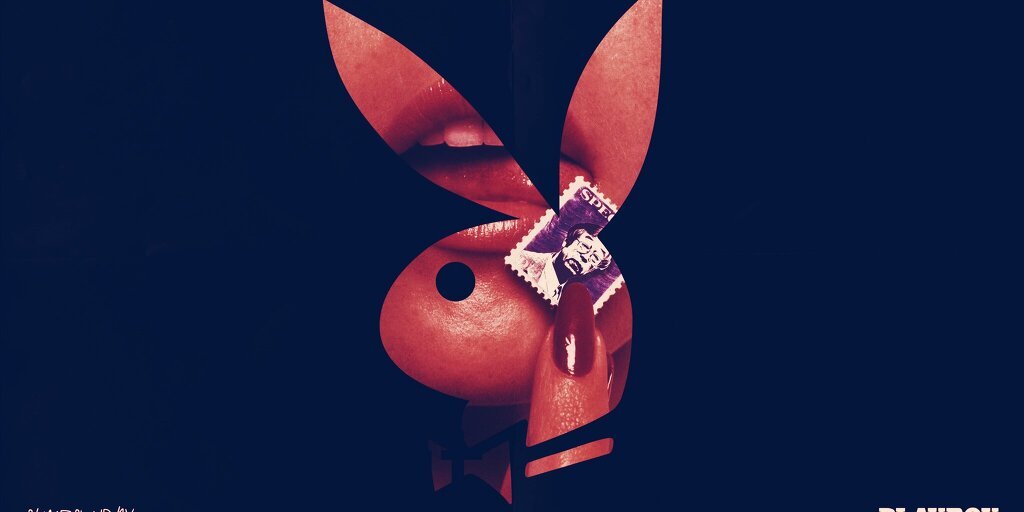
Playboy Is Turning Its Classic Centerfolds Into NFTs 

Playboy—which ceased regular print publication in 2020—plans to tap into its 67-year archive of classic photography and artwork, as well as collaborate with modern artists on fresh creations to sell as crypto collectibles. The brand also intends to offer grants to “support emerging and underrepresented artists entering the NFT art community,” according to a release.

Source: Playboy Is Turning Its Classic Centerfolds Into NFTs – Decrypt

Artists Have Been Attempting to Secure Royalties on Their Work for More Than a Century. Blockchain Finally Offers Them a Breakthrough

Amid all the recent backlash against NFTs, the real and exciting possibilities that blockchain technology offers for solving longstanding flaws in the art market could be lost. The great promise of blockchain is something more than just letting people buy and sell digital art. This new technology holds the potential to give artists of all kinds equity in their work.

Source: Artists Have Been Attempting to Secure Royalties on Their Work for More Than a Century. Blockchain Finally Offers Them a Breakthrough

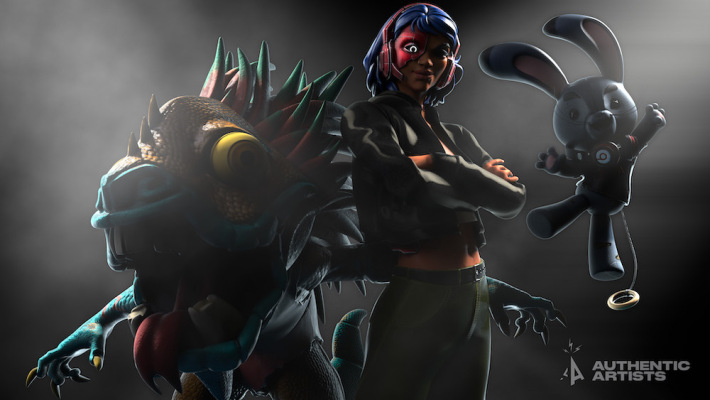
Authentic Artists is building virtual, AI-powered musicians

Chris McGarry, who previously led music integration at Facebook’s Oculus, is taking a new approach to bringing music into the virtual world with his startup Authentic Artists. McGarry pointed to virtual celebrities like Lil Miquela and virtual concerts like Travis Scott’s giant event in Fortnite as setting the stage for Authentic Artists.

Source: Authentic Artists is building virtual, AI-powered musicians

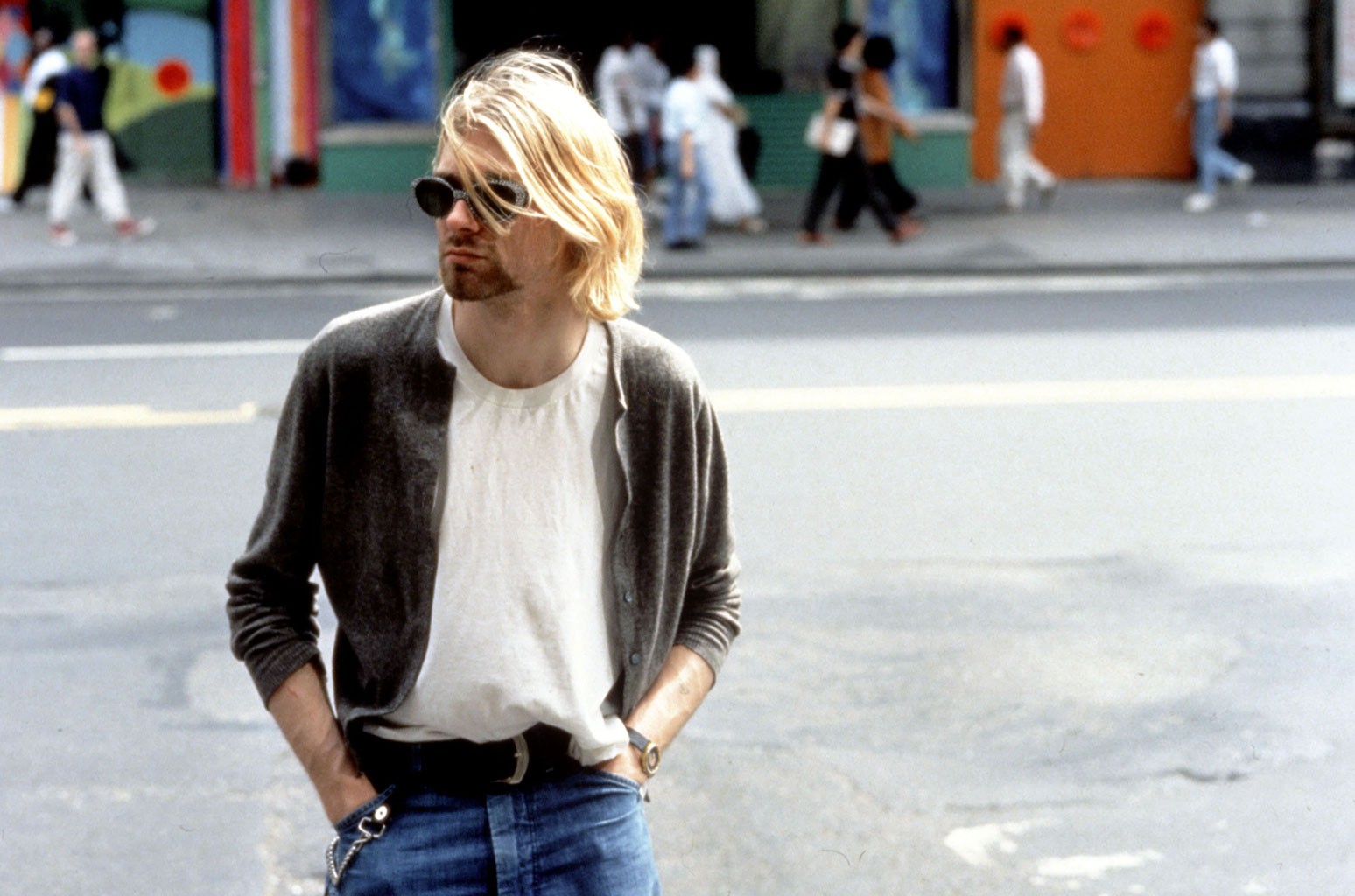
‘New’ Nirvana Song Created 27 Years After Kurt Cobain’s Death Via AI Software

Twenty-seven years after the death of Nirvana frontman Kurt Cobain, his sound is continuing on thanks to artificial intelligence software. Lost Tapes of the 27 Club is a musical project that utilizes AI to analyze up to 30 songs per selected musician who struggled with mental health issues and died at the age of 27 — including Cobain, Jimi Hendrix, Jim Morrison and Amy Winehouse — and write and perform “new” songs in their signature style as part of one album.

Source: ‘New’ Nirvana Song Created 27 Years After Kurt Cobain’s Death Via AI Software

If you enjoyed that, you will like this: but can we break free from the algorithms’ grip?

This month sees the launch of Stack Radio, an app that deliberately delivers music chosen by someone else, while for the adventurous a more eccentric service, Trade Journal Cooperative, is offering to send a different niche publication direct to your door four times a year, from Professional Pasta to American Funeral Director or Plumber Magazine.

Source: If you enjoyed that, you will like this: but can we break free from the algorithms’ grip?

NFTs Weren’t Supposed to End Like This

All common NFT platforms today share certain weaknesses. They still depend on one company staying in business to verify your art. They still depend on the old-fashioned pre-blockchain internet, where an artwork would suddenly vanish if someone forgot to renew a domain name. “Right now NFTs are built on an absolute house of cards constructed by the people selling them,” the software engineer Jonty Wareing recently wrote on Twitter.

Source: NFTs Weren’t Supposed to End Like This

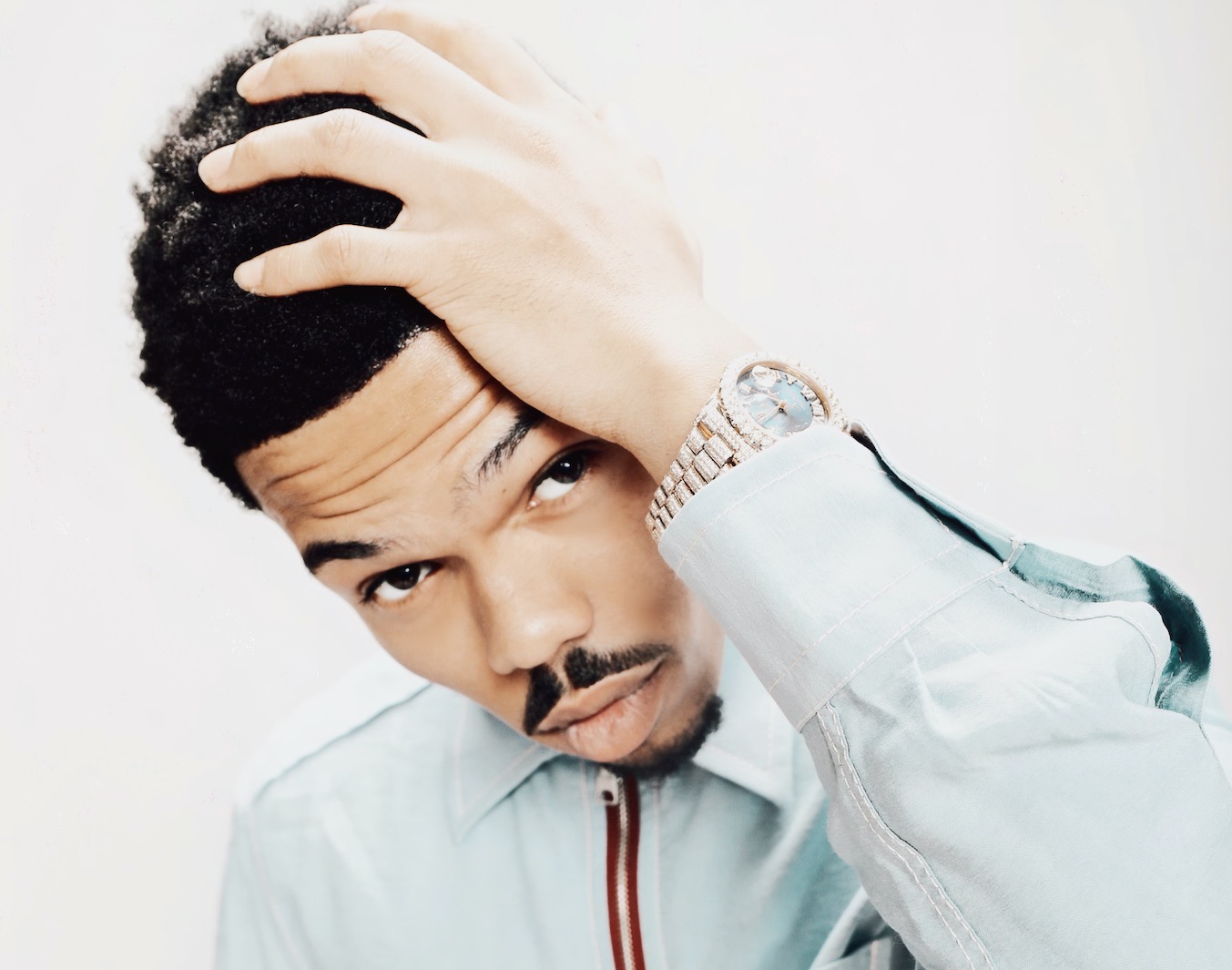
Having sold music rights to 125 people via NFTs, blockchain-powerd Bluebox is evolving again

Last month, Ditto Music‘s blockchain-powered Bluebox platform pulled off a pioneering feat: what the company describes as “the first ever split music copyright NFT sale”. In the end, two artists – UK rapper Big Zuu and US act Taylor Bennett – each sold large stakes (50% and 75% respectively) in the recorded music rights to a yet-to-be-released track. These stakes were themselves divided up into 1% portions as NFTs, selling for $100 apiece.

Source: Having sold music rights to 125 people via NFTs, this blockchain platform is evolving again

NFTs are suddenly everywhere, but they have some big problems

Anyone can claim a digital photo or painting as their own by attaching a token to it, even if they didn’t create it. And while all transactions on the blockchain are recorded publicly in an immutable digital ledger, there is no requirement that people attach their real names or identities to those transactions, which makes it much harder to get recourse if your work is stolen or compromised.
Source: NFTs are suddenly everywhere, but they have some big problems

Get the latest RightsTech news and analysis delivered directly in your inbox every week
We respect your privacy.