 Fox Corp. operates the only one of the four major U.S. broadcast networks that isn’t tied to a major direct-to-consumer subscription streaming play. The company also is the only one among its peers that has launched a dedicated Web3 and NFT division. Those two things are related, says Charlie Collier, CEO of Fox Entertainment.
Source: Why Fox Is Investing Millions in NFTs and Blockchain Technology
 The rise of NFTs, cryptocurrencies and other Web3 technologies is giving talent and content creators new opportunities to interact with fans, which open entirely new frontiers: Could fans use the intellectual property contained on NFTs to create their own content and ideas? Will artists start to sell their own videos, music and even long-form work directly to their followers?


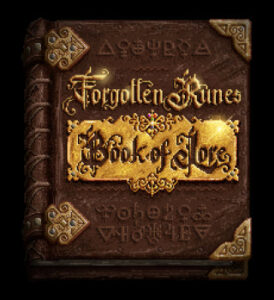 If you’ve never heard of Forgotten Runes, that’s probably because you don’t spend your nights surfing NFT marketplace OpenSea. It’s an NFT collection that launched last July and consists of just under 10,000 fantasy characters. The question is simple: Is it possible for a show based on NFTs to cross over to a mainstream audience that may not even know what those three letters stand for?
 In the music industry, as artificial intelligence (AI) creative technologies become more common, the question of AI authorship is particularly important. AI systems have the potential to cause disruption in the music industry, and the music industry must adapt and incorporate this new technology. The idea that a picture tells a thousand words is especially apt when one attempts to outline copyright and authorship issues for works created by AI.
 Congress is set to depart for its August recess soon without acting on a bipartisan antitrust bill targeting the largest U.S. technology companies. Senate Majority Leader Chuck Schumer (D., N.Y.) plans to hold a vote on the legislation when Congress returns this fall. But the shrinking number of legislative days available plays to the advantage of the tech companies, which can declare victory if Congress doesn’t act.
 A migration of Oxford University Press‘ books as well as journals to the online platform Oxford Academic announced Wednesday (August 3) is expected to “further streamline access to high-quality scholarly content,” according to media messaging. At this point, the company writes, more than 42,000 books and more than 500,000 chapters have been uploaded to the site, which already hosts some 500 journals and roughly 3 million articles.
 Textbook publisher Pearson plans to profit from secondhand sales by turning its titles into non-fungible tokens (NFTs), its chief executive has said. Educational books are often sold more than once, since students sell study resources they no longer require. Publishers have not previously been able to make any money from secondhand sales, but the rise of digital textbooks has created an opportunity for companies to benefit.