Technology

US Supreme Court rejects computer scientist’s lawsuit over AI-generated inventions

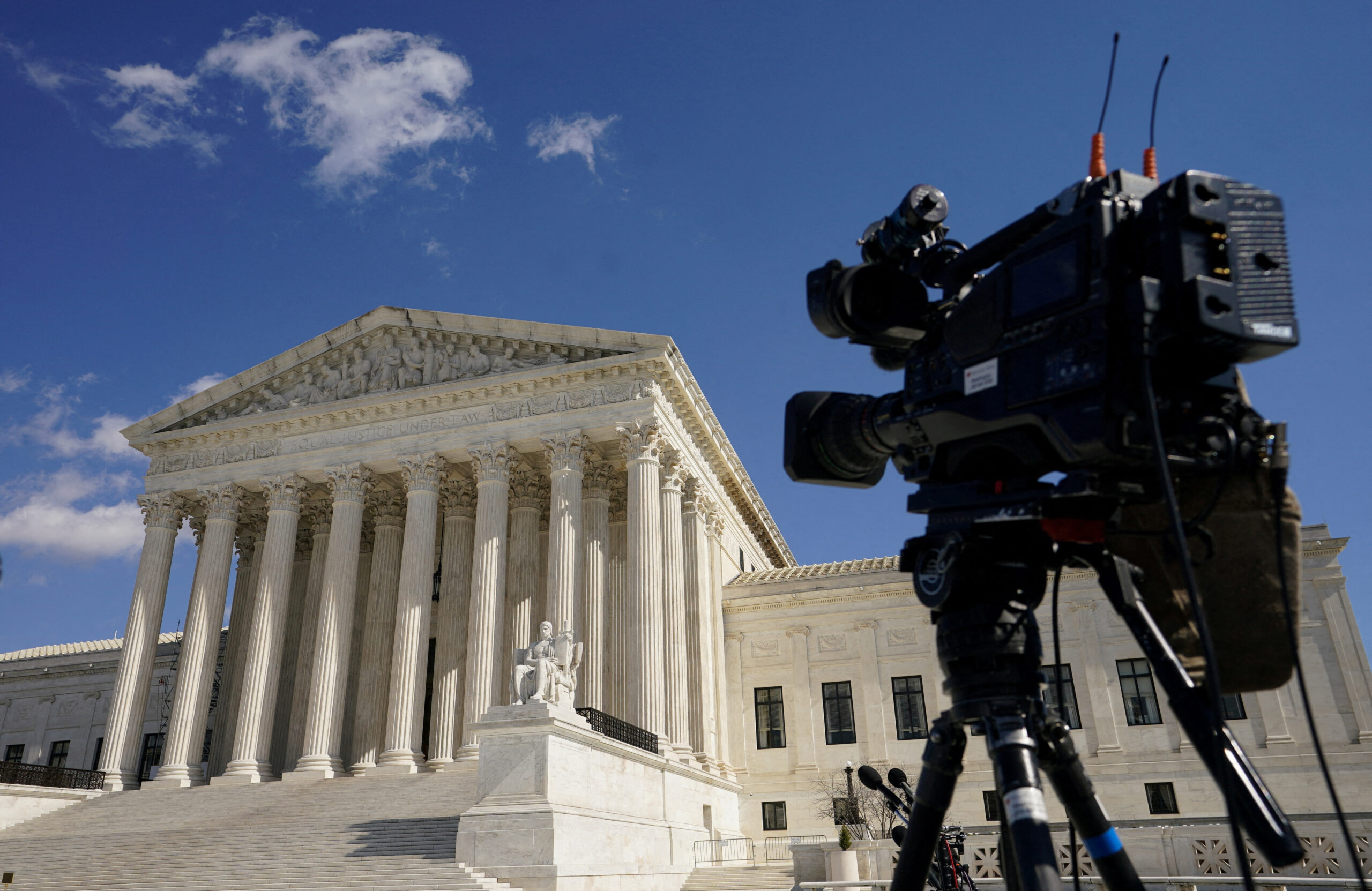
The U.S. Supreme Court on Monday declined to hear a challenge by computer scientist Stephen Thaler to the U.S. Patent and Trademark Office’s refusal to issue patents for inventions his artificial intelligence system created. The justices turned away Thaler’s appeal of a lower court’s ruling that patents can be issued only to human inventors and that his AI system could not be considered the legal creator of two inventions that he has said it generated.

Source: US Supreme Court rejects computer scientist’s lawsuit over AI-generated inventions
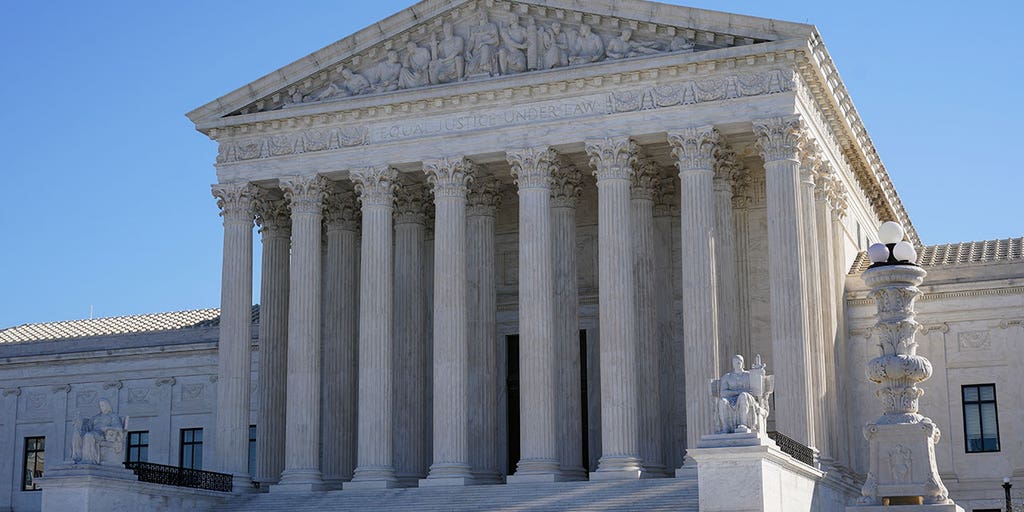
Landmark Supreme Court case could have ‘far reaching implications’ for AI, experts say

An impending Supreme Court ruling focusing on whether legal protections given to Big Tech extend to their algorithms and recommendation features could have significant implications for future cases surrounding artificial intelligence, according to experts. In late February, the Supreme Court heard oral arguments examining the extent of legal immunity given to tech companies that allow third-party users to publish content on their platforms.

Source: Landmark Supreme Court case could have ‘far reaching implications’ for artificial intelligence, experts say

Their voices are their livelihood. Now AI could take it away.

The technology puts voice actors, the often-nameless professionals who narrate audiobooks, video games and commercials, in a particularly precarious position. While their voices are often known, they rarely command the star power necessary to wield control of their voice. The law offers little refuge, since copyright provisions haven’t grappled with artificial intelligence’s ability to recreate humanlike speech, text and photos.

Source: Their voices are their livelihood. Now AI could take it away.

Peering Into the Future of Novels, With Trained Machines Ready

The journalist and author Stephen Marche wrote “Death of an Author” using three artificial intelligence programs. Or three artificial intelligence programs wrote it with extensive plotting and prompting from Stephen Marche. It depends on how you look at it. “I am the creator of this work, 100 percent,” Marche said, “but, on the other hand, I didn’t create the words.”

Source: Peering Into the Future of Novels, With Trained Machines Ready

Web3 company Public Pressure forms music division in London

Web3 media company Public Pressure has formed a new London-based division, called Public Pressure Music to oversee all activities related to music. This includes its collaborations with the fashion and gaming industries, IP management and content acquisitions related to the Public Pressure marketplace, which is the company’s platform for the sale and purchase of NFTs.
Source: Web3 company Public Pressure forms music division in London, led by Managing Director Stephen King

Peter Gabriel Launches AI Music Video Challenge

Prog-rock legend Peter Gabriel and Stability AI, the leading open-source AI company, have announced the debut of a generative AI music video challenge. The Stability AI #DiffuseTogether Challenge is the first in a series of AI animation challenges featuring musicians of different genres. Beginning today via Discord, the contest invites participants to submit one animated AI-generated video inspired by and set to the music of Peter Gabriel. 

Source: Peter Gabriel Launches AI Music Video Challenge

AI Regulations Could Be Brewing in Congress

The political tipsheet Axios reports this week that Senate Majority Leader Chuck Schumer (D-NY) has taken the first steps toward legislation to regulate the use of artificial intelligence, circulating a general framework for new rules among academic, industry and government AI experts. The U.S. Commerce Department, the Copyright Office, the Patent and Trademark Office and other government agencies have taken preliminary steps toward possible regulatory action on AI within their respective domains, but the recent movement in the Senate is the first indication that broader legislative action could be in the works.

AI Could Be “Really Damaging” to Local Broadcasters, Warns NAB CEO

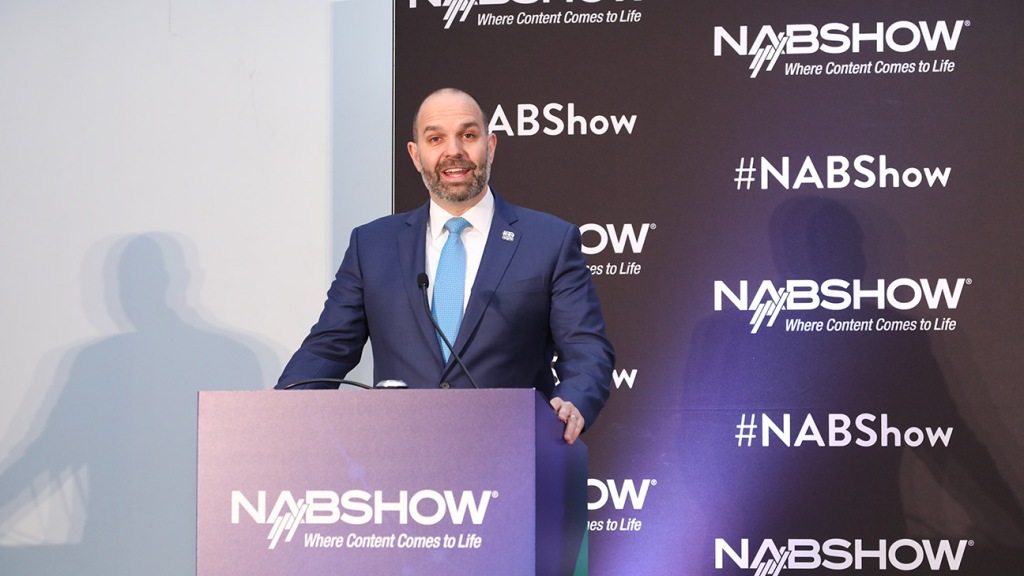
National Association of Broadcasters president and CEO Curtis LeGeyt spoke out on the potential dangers of Artificial Intelligence on Monday at the NAB Show in Las Vegas. LeGeyt warned of several concerns that he has for local broadcasters, the first being issues surrounding “big tech” taking broadcast content and not fairly compensating broadcasters for its use.  “AI has the potential to put that on overdrive.”

Source: Artificial Intelligence Could Be “Really Damaging” to Local Broadcasters, Warns NAB CEO

AI Drake rip-off already has 250,000 plays on Spotify. How will the music industry respond?

Over the past few days, three Universal Music Group-affiliated megastars – Drake, The Weeknd, and Rihanna – have seen their vocals replicated by AI tools, and then ‘performed’ within viral music productions. The tune that’s drawn the most attention,  understandably, is a cover version of Ice Spice’s risqué 2022 hit Munch (Feelin’ U), on which the vocals are ‘performed’ by an AI copycat of Drake’s voice.

Source: This AI Drake rip-off already has 250,000 plays on Spotify. How will the music industry respond?

AI can make movies, edit actors, fake voices. Hollywood isn’t ready.

The Writers Guild of America, which represents screenwriters, is locked in negotiations with movie studios — and the way artificial intelligence can be used in scriptwriting is a key sticking point. Actors, such as Keanu Reeves, are raising alarm bells, saying the rise of generative AI is “scary” and could be a way for executives to not pay artists fairly.

Source: AI can make movies, edit actors, fake voices. Hollywood isn’t ready.

Get the latest RightsTech news and analysis delivered directly in your inbox every week
We respect your privacy.