
Source: Google Loses Bid to Escape DOJ’s Digital-Ad Antitrust Case

Source: Google Loses Bid to Escape DOJ’s Digital-Ad Antitrust Case
On April 27, a pair of legal measures were advanced within the European Union that promise to greatly impact the state of technological commercialization within Europe for both standardized and artificial intelligence (AI) technologies. Multiple commentators have pointed out issues that could slow the rate of technological commercialization to the detriment of Europeans across the continent.
Source: New SEP Regulatory Framework and AI Copyright Legislation Advance in the European Union
 This week, the Republican National Committee used artificial intelligence to create a 30-second ad imagining what President Joe Biden’s second term might look like. It depicts a string of fictional crises, from a Chinese invasion of Taiwan to the shutdown of the city of San Francisco, illustrated with fake images and news reports. A small disclaimer in the upper left says the video was “Built with AI imagery.”
Source: AI-generated deepfakes are moving fast and policymakers can’t keep up
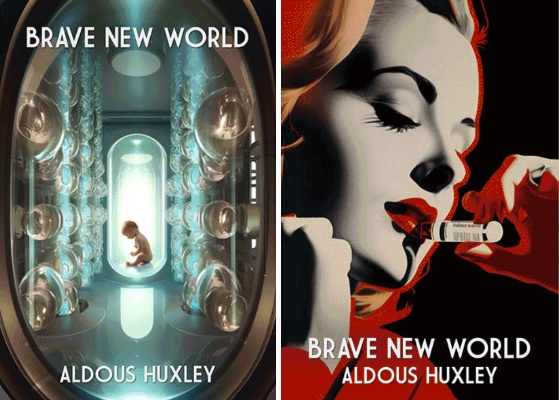 Book.io and the Algorand Foundation will create 10,000e-book NFTs of Aldous Huxley’s ‘Brave New World,’ each with 500 AI-designed covers of varying rarity. The NFTs can be read on Book.io’s web reader or mobile app and can be gifted, sold, or traded. Book.io co-founder Ben Illian says that Algorand was chosen for its scalability, minimal transaction fees, decentralized platform, and near-zero carbon footprint.
Source: Book.io Releases ‘Brave New World’ as an NFT E-book on the Algorand Blockchain

After months of negotiations and two years after a draft rules were proposed, EU lawmakers have a draft of the Artificial Intelligence Act. The European Parliament confirmed previous proposals to put stricter obligations on foundation models, a subcategory of “General Purpose AI” that includes tools such as ChatGPT. Under the proposals, companies that make generative AI tools such as ChatGPT would have to disclose if they have used copyrighted material in their systems.
Source: EU lawmakers pass draft of AI Act, includes copyright rules for generative AI
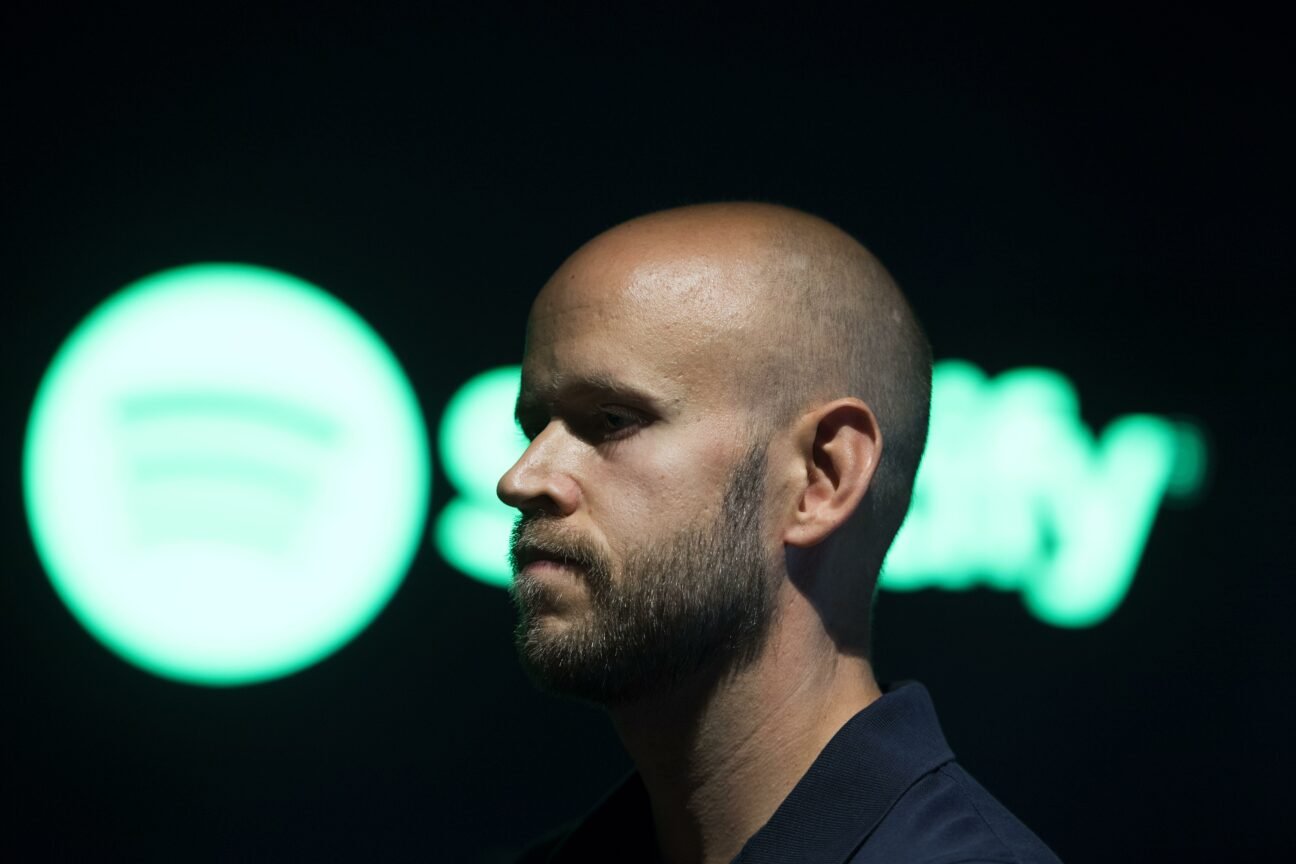 Spotify is taking concerns about the impact of AI-generated music on entertainment rightsholders seriously, CEO Daniel Ek told analysts. “[T]he AI pushback from the copyright industry, or labels and media companies, is really [concerned with] issues like ‘name and likeness’, what is an actual copyright, who owns the right to something where you upload something and claim it to be Drake [when] it’s really not, and so on,” Ek said. “Those are legitimate concerns.”
Source: Spotify confirms it’s working with labels to quell copyright threat from AI music
 DSPs are already being flooded with new tracks – nearly 100,000 new tracks per day, according to a recent estimate. Much of it, say critics, is low quality, and given the trend of uploading random noise files to generate plays, some of it isn’t even music at all. “We want to give our customers a high-quality experience and relevant content, so obviously getting AI to flood our catalog is not something we’re super keen on, and we’re working on that,” Jeronimo Folgueira, CEO of Deezer told analysts.
 If you apply Gartner’s famous hype cycle methodology to web3 technologies and music, where do we stand in 2023? The peak of inflated expectations was some time ago, but are we still mired in the trough of disillusionment? Or, perhaps, are we making our way up the slope of enlightenment, with well-calibrated bullshit meters helping us to figure out how web3 can really help artists, fans and the music industry?
Source: web3 music in 2023: experiments, communities… and weirdness – Music Ally

The European Commission on Tuesday released a list of 17 Very Large Online Platforms (VLOPs) and 2 Very Large Online Search Engines (VLOSEs) that will need to comply with tough new privacy and content moderation tools under the European Union’s Digital Services Act. Under the DSA, which the European Union adopted in October, the designated platforms will now have 4 months to comply.
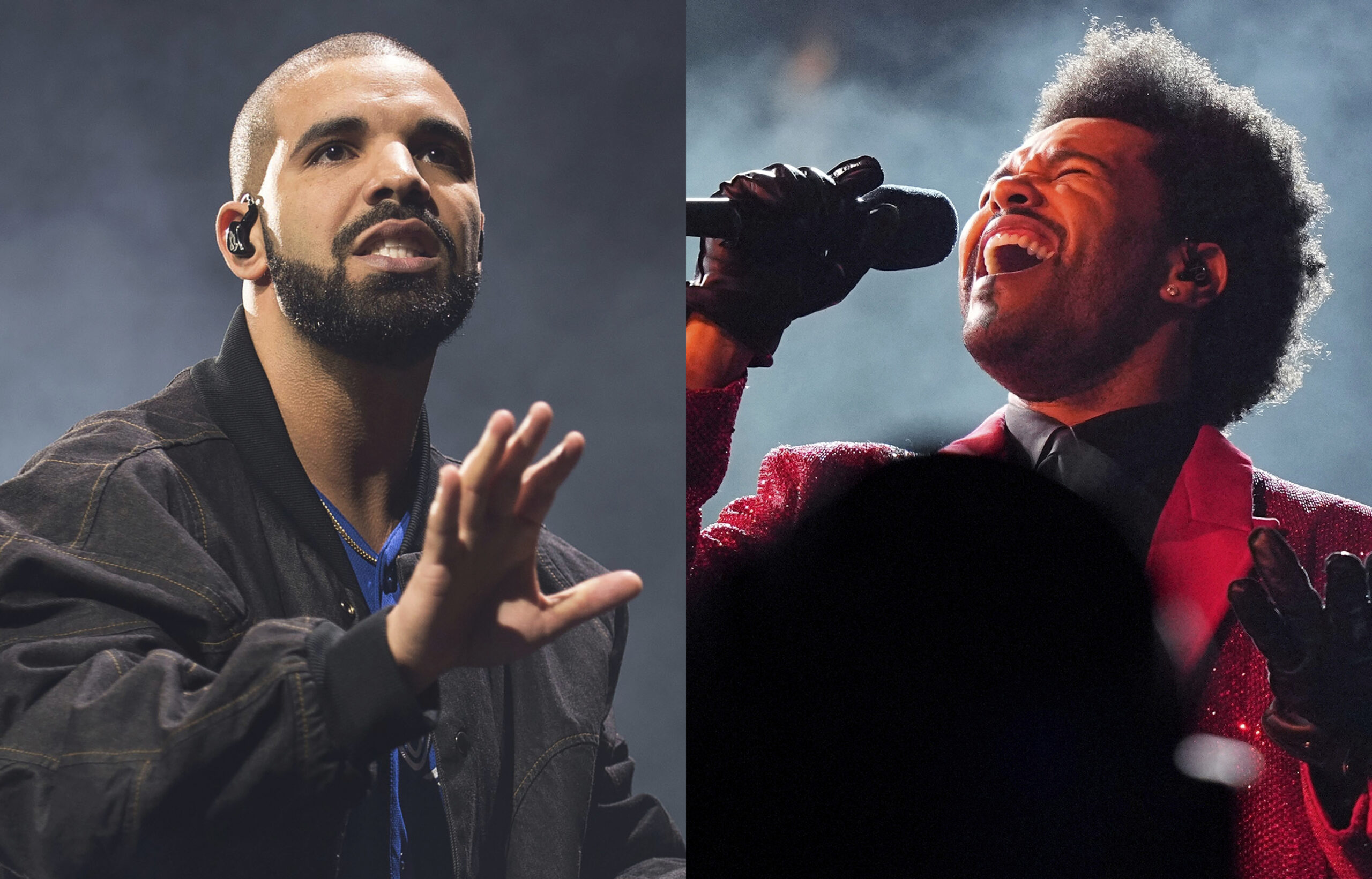 “Heart on My Sleeve” may be among the most successful examples of machine-generated media, but it’s just a part of a flood of AI-derived images and sounds that has washed across the Internet in recent months. That flood hints at a version of our digital future in which each of us lives in a fully personalized entertainment bubble, with videos and songs pumped out by AI in seconds, just for us.
Source: AI vs. the culture industry