 The Human Artistry Coalition (HAC), launched at the South by Southwest (SXSW) Conference in Texas in mid-March, says it now has more than 70 members worldwide. The coalition doesn’t oppose AI technology as such; it says its goal is to ensure that AI develops “in ways that strengthen the creative ecosystem while continuing to recognize the unique and irreplaceable role of human artistry in culture and the arts.”
Source: As AI booms, campaign defending ‘irreplaceable role of human artistry’ sees membership spike

 Runway, which plans to open its service to a small group of testers this week, is one of several companies building artificial intelligence technology that will soon let people generate videos simply by typing several words into a box on a computer screen. The new video-generation systems could speed the work of moviemakers and other digital artists, while becoming a new and quick way to create hard-to-detect online misinformation, making it even harder to tell what’s real on the internet.
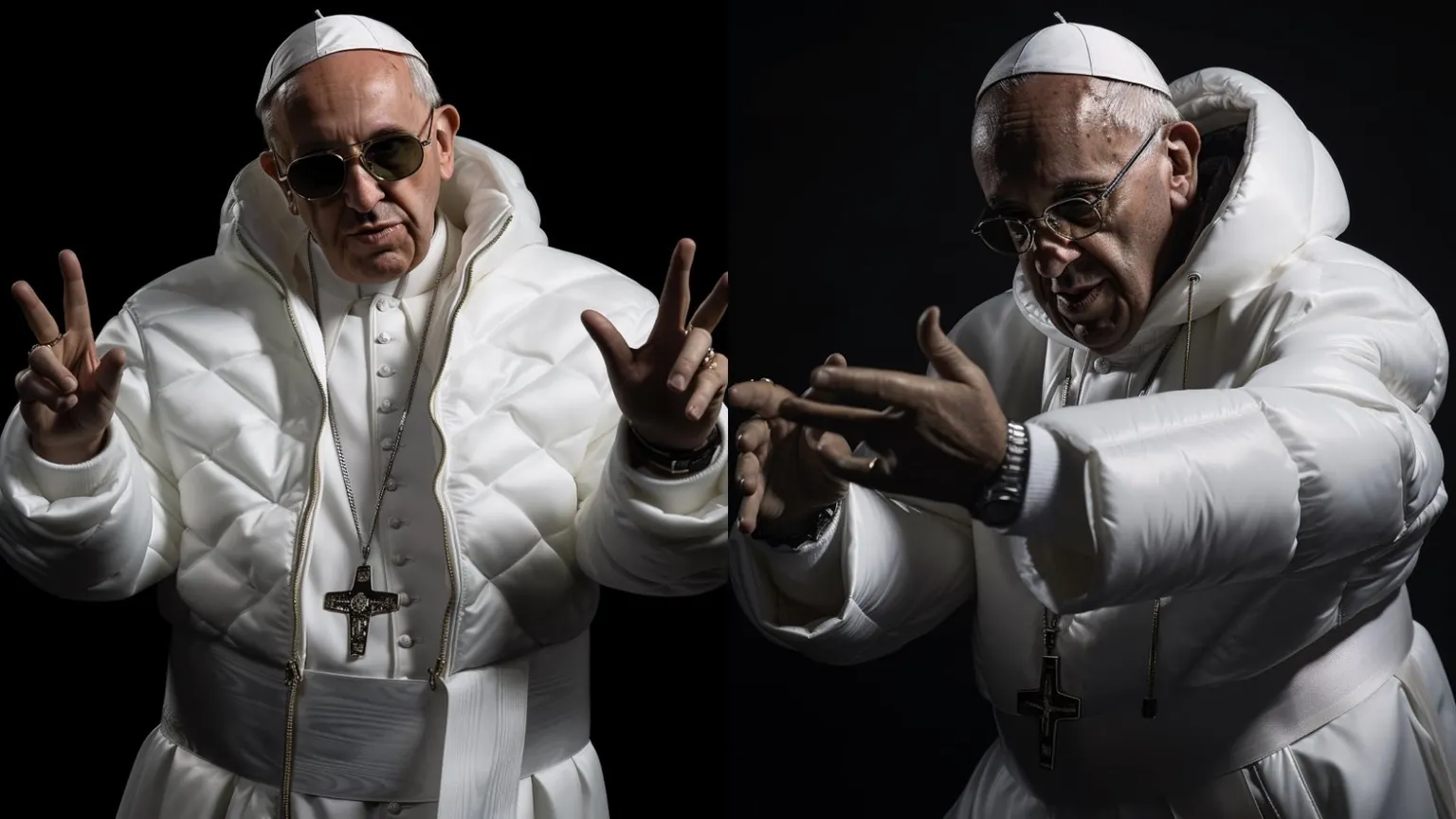

 Technological developments like the stellar rise of ChatGPT played a role in disrupting the AI Act’s discussions, as EU lawmakers scrambled to decide how to deal with a technology that is moving at a neck-breaking speed and is not covered in the original proposal. This is perhaps the most significant political issue still open. A potential compromise discussed last week was to put stricter obligations on foundation models like ChatGPT, notably with strict risk and quality management requirements and external audits.