Policy

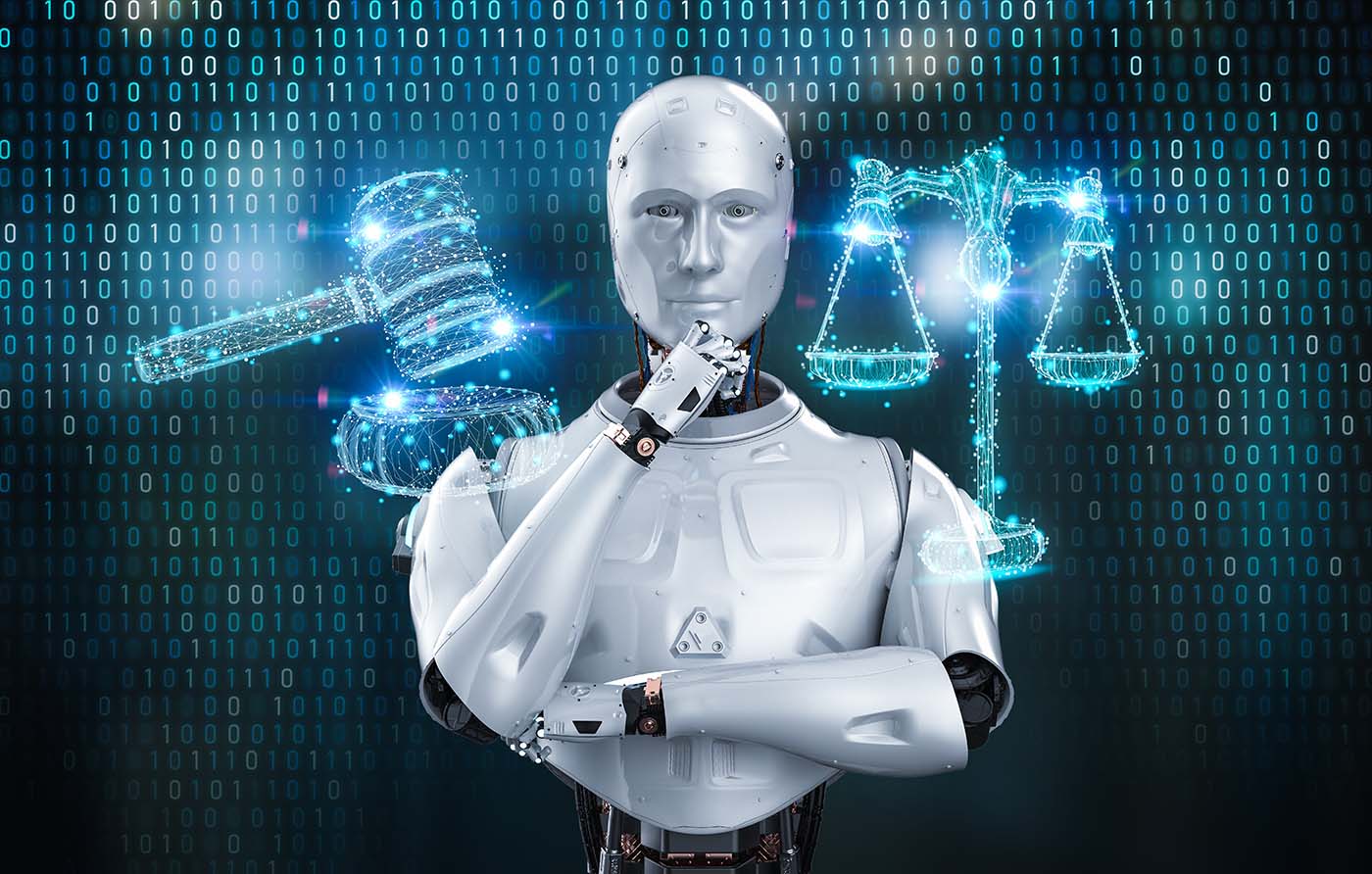
Thomson Reuters wins an early court battle over AI, copyright, and fair use

On Tuesday, US District Court of Delaware judge Stephanos Bibas issued a partial summary judgment in favor of Thomson Reuters in its copyright infringement lawsuit against Ross Intelligence, a legal AI startup. Filed in 2020, it’s one of the first cases that will deal with the legality of AI tools and how they are trained, often using copyrighted data scraped from somewhere else without license or permission.

Source: Thomson Reuters wins an early court battle over AI, copyright, and fair use

OpenAI spoke to government officials about its DeepSeek probe

The ChatGPT-maker previously claimed to have evidence that DeepSeek trained its AI models using improperly obtained data from OpenAI’s API. During a Bloomberg TV interview on Monday, OpenAI’s chief global affairs officer, Chris Lehane, said the company has talked with government officials about the probe. Some have criticized OpenAI for hypocrisy here.

Source: OpenAI spoke to government officials about its DeepSeek probe | TechCrunch

AAP, IPA Join Groups Calling for AI to Respect Copyright

Thirty-eight international organizations representing creative industries—including the Association of American Publishers, under the auspices of the International Publishers Association—have released a joint statement calling for oversight and regulation of artificial intelligence development, focusing on respect for copyright and related intellectual property.

Source: AAP, IPA Join Groups Calling for AI to Respect Copyright

US Copyright Office launches inquiry into performance rights organizations

The USCO launched a call for written submissions from the public about the PROs in response to a letter sent by members of the House Judiciary Committee to the Copyright Office last September. The letter expressed concerns about the number of PROs in the US and the difficulties many businesses face in licensing music, given the need to sign blanket licensing agreements with numerous collections organizations.

Source: US Copyright Office launches inquiry into performance rights organizations

European Copyright Society Opinion on Copyright and Generative AI

The exception enacted in Arts. 3 and 4 of the CDSM Directive at a time when the Generative AI development could not have been fully anticipated, can be interpreted as covering some operations of training of a Generative AI model, but certainly not all aspects or stages of the life cycle of AI models and systems, from curating a dataset for training to the generation of an image, text or other media, by users.

Source: European Copyright Society Opinion on Copyright and Generative AI – Kluwer Copyright Blog

Publishers Ramp Up Pressure vs. Anna’s Archive, Sci-Hub, Z-Library & Libgen

The world’s major publishers claim that unlicensed libraries cast a permanent shadow over authors’ ability to make a living from their work. Those same shadows also make it more difficult to predict whether today’s investments in publishing content will pay off, or find themselves copied at will and distributed for free on the world’s most popular shadow libraries.

Source: Publishers Ramp Up Pressure vs. Anna’s Archive, Sci-Hub, Z-Library & Libgen * TorrentFreak

Music Publishers Begin ‘Extensive’ Spotify Podcast Takedowns Over Licensing Violations

Just hours after Spotify announced its first-ever annual net profit, the National Music Publishers’ Association has launched an ongoing takedown initiative against the streaming giant for the unlicensed use of music in podcasts on its platform. Beginning today (Feb. 4), notices will be sent to remove thousands of unlicensed uses of NMPA members’ works, according to the announcement. Over 2,500 detections of infringement are included in the initial takedown notices.

Source: Music Publishers Begin ‘Extensive’ Spotify Podcast Takedowns Over Licensing Violations

US court says copyright termination applies globally

Until now, it was generally understood that when an author exercises their termination right under US law, this applies only to US rights – international rights remain with the assignee (i.e., the publisher who bought the rights). However, a recent ruling by the US District Court for the Middle District of Louisiana upended this: The court concluded that a termination under US law applies globally – or, at least, in all the countries that participate in the Berne Convention.

Source: US court says copyright termination applies globally, potentially causing ‘chaos’ for rightsholders

EU AI Act: First Requirements Become Legally Binding

As of Feb. 2, the first few requirements of the E.U. AI Act are now legally binding, and businesses operating in the region that do not abide by them are at risk of a fine. The next milestone for the AI Act will come at the end of April, when the European Commission will likely publish the final Code of Practice for General Purpose AI Models, according to Rulf. The code will become effective in August, as will the powers of member state supervisory authorities for enforcing the Act.

Source: EU AI Act: First Requirements Become Legally Binding

The MLC Is ‘Evaluating All Available Options’ Including An Appeal

The legal team for the MLC has stated that it is ‘evaluating all options’ including a potential appeal of Spotify’s bundling court victory. Spotify’s bundling of audiobooks into its Premium Individual, Duo, and Family subscription plans are at the heart of the issue. Applying the rate formula applicable to bundled subscription offerings resulted in a reduction of the service provider revenue that Spotify reports, resulting in an underpayment of royalties.

Source: The MLC Is ‘Evaluating All Available Options’ Including An Appeal

Get the latest RightsTech news and analysis delivered directly in your inbox every week
We respect your privacy.