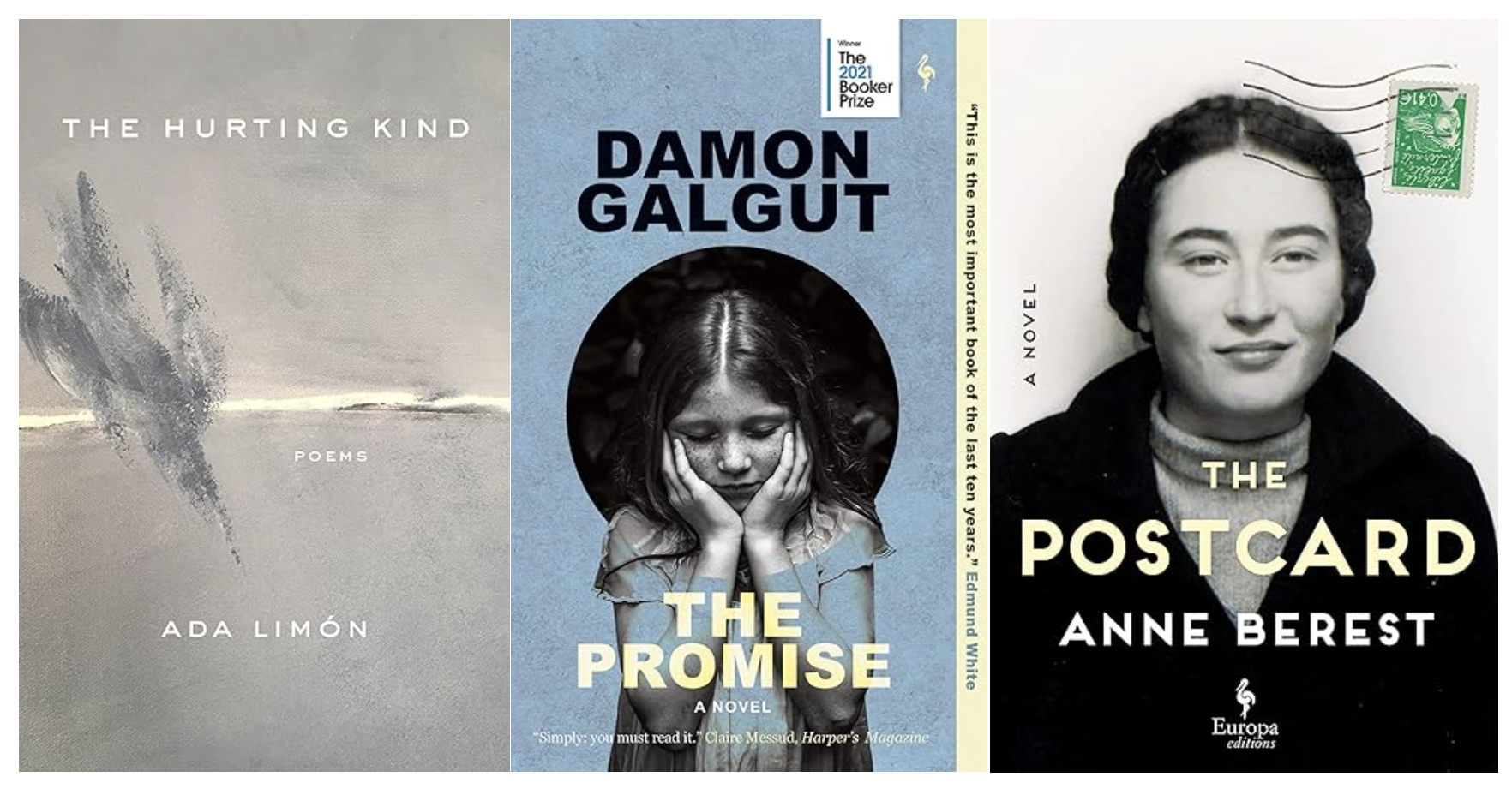
 Spotify will now offer more than 1,000 audiobooks from some 100 publishers distributed by Ingram Content Group (ICG), thanks to a new partnership between the streaming giant and Ingram. The newly added audiobooks come from a range of small and independent publishers, including Europa Editions, Milkweed Editions, G&D Media, Bard Press, and New Society Publishers.
Source: Spotify Adds 1,000 Audiobooks from 100 Publishers Distributed by Ingram

 YouTube Music is introducing two new ways to boost song discovery on its platform. YouTube announced on Monday that it’s experimenting with an AI-generated conversational radio feature, and rolling out a new Shazam-like tool to help users discover the name of a song by singing, humming or playing parts of it.
 Microsoft has relinquished its seat as an observer on the board of ChatGPT maker OpenAI, as regulators on both sides of the Atlantic scrutinize the partnership between the tech giant and the artificial-intelligence startup. In a letter sent Tuesday to the AI company led by Sam Altman, Microsoft said it resigned with immediate effect because it believed OpenAI’s board had gained stability, meaning Microsoft’s involvement was no longer necessary.
 “Most people know Sesac as a US-based performing rights organization. But, over the last eight years, we’ve acquired eleven companies and organically grown and broadened our business model…” That’s John Josephson speaking: the CEO who has overseen Sesac Music Group’s expansion into an organisation with three new business lines alongside its traditional business, and operations in territories well beyond the US.
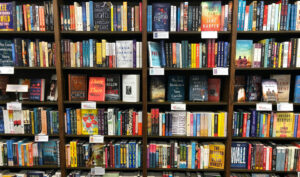 Throughout its history, the publishing industry has always needed a boogeyman to represent new developments threatening the good old way of doing things. “Barnes & Noble was that for a while because it was a chain and because they had centralized bookselling,” says Boris Kachka, author of Hothouse: The Art of Survival and the Survival of Art at America’s Most Celebrated Publishing House. “Then Amazon became the big bad guy, and Barnes & Noble looked old-school all of a sudden.”