
 US performance rights organization BMI has launched a campaign urging its affiliates (songwriters, composers, and publishers) to make their voices heard in the US Copyright Office’s inquiry into PROs. The USCO launched an investigation on Monday (February 10) in an effort to answer “questions related to the increase in the number of PROs and the licensing revenue distribution practices of PROs.”
Marketplace
The End of TV Is Here
 On March 2, one of the last pillars of linear TV will fall: the Academy Awards. Hollywood’s biggest night is a celebration of cinema, but this year it may as well double as a requiem for traditional TV. For the first time in the history of the broadcast, the Oscars will be streamed live outside of the pay TV ecosystem, on Disney’s Hulu, alongside its broadcast home on ABC.
Source: The End of TV Is Here
Thousands of Artists Demand Christie’s Cancels AI Art Sale
 An open letter to the house signed by almost 4,000 people is demanding Christie’s bins its “Augmented Intelligence” auction, slated to run from February 20 to March 5. It’s billed as the “first-ever AI-dedicated sale at a major auction house.” Artists Kelly McKernan and Karla Ortiz, two signatories the letter. They are taking AI companies to court over claims that the firms’ image generation tools have used their work without permission.
Source: Thousands of Artists Demand Christie’s Cancels AI Art Sale: ‘AI Models Exploit Humans’
Spotify slams the NMPA’s takedown action: ‘This is a press stunt.’
 Responding to the announcement on Tuesday, a Spotify spokesperson slammed the NMPA’s takedown action, calling the move “a weak reaction” to the court’s dismissal of the MLC’s ‘bundling’ lawsuit against Spotify last week. “The fact that the NMPA waited months, despite multiple written requests by Spotify for details, which they never bothered to answer, to report these episodes only further emphasizes that this is a press stunt.”
Spotify Hits First Full-Year Profit, Adds 35M Users
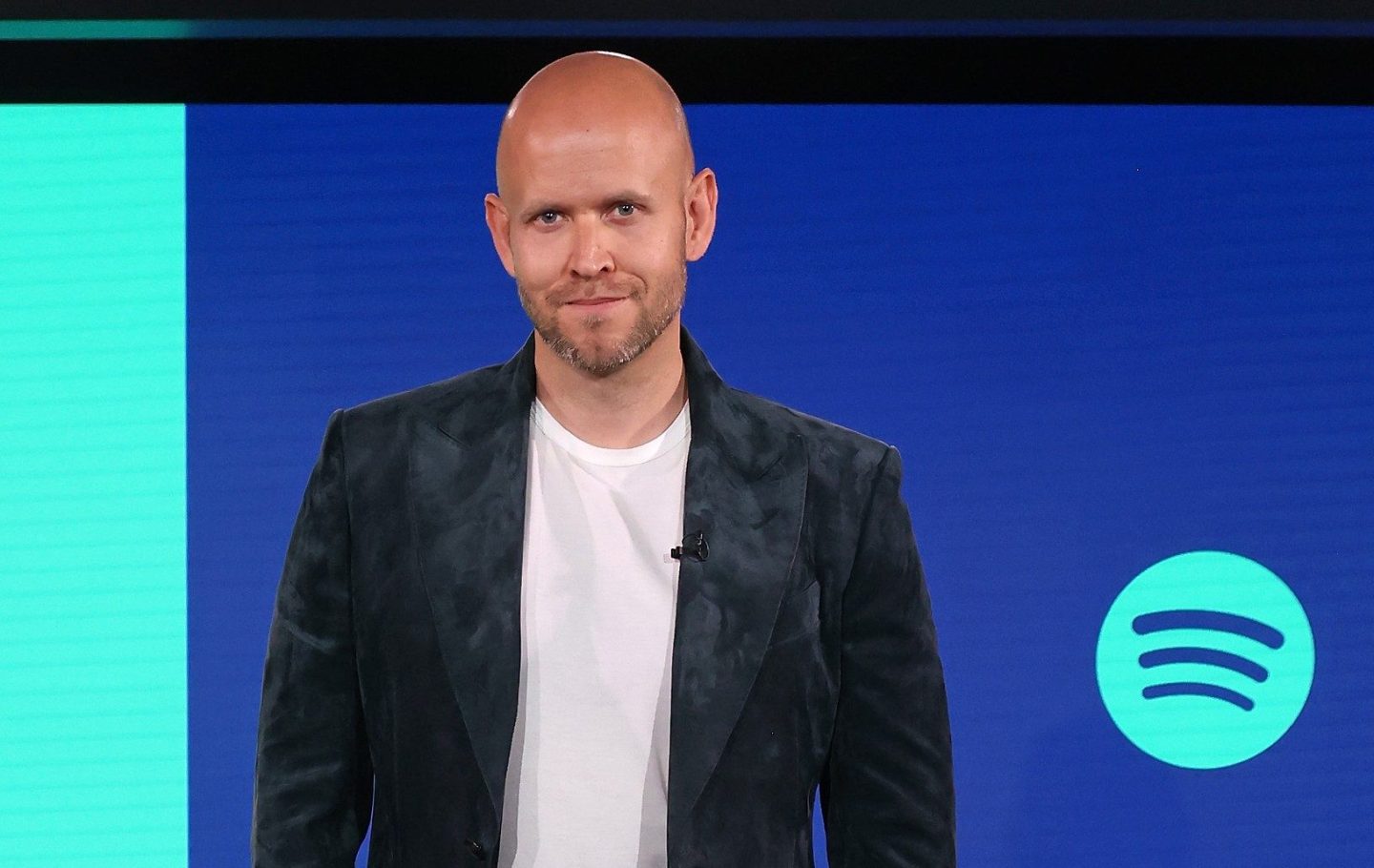 The audio giant reported 675 million monthly active users, the largest fourth-quarter increase in Spotify’s history, as the company reported momentum from “strong holiday and Wrapped campaigns.” Paid subscribers grew 11 percent year over year to 63 million, up from 252 million last quarter and 3 million above guidance. Both came in above Spotify’s guidance.
Fox Corp. Expects to Launch New Stand-Alone Streamer by End of 2025
 Fox Corporation expects to launch a new stand-alone subscription-based streaming service by the end of 2025, as the company, which has resisted the call to plunge millions into developing premium content for broadband audiences, sees new allure in the business. The plan, said Fox Corp. CEO Lachlan Murdoch, would be to launch a new broadband outlet that helps “put our content in front of everybody who wants it on any platform.”
Source: Fox Corp. Expects to Launch New Stand-Alone Streamer by End of 2025
DeepSeek gives Europe’s tech firms a chance to catch up in global AI race
 DeepSeek’s emergence is changing the landscape for AI, offering companies access to the technology at a fraction of the cost, according to interviews with more than a dozen startup executives and investors. It also has the potential to push other AI companies to improve their models and bring down prices. Europe’s tech startups had struggled to adopt the new technology at the same rate as U.S. rivals, which have easier access to funding.
Source: DeepSeek gives Europe’s tech firms a chance to catch up in global AI race
Google owes UK news industry £2.2bn from 2023 alone, claims new research
 New research has suggested UK news publishers are owed £2.2bn by Google for their contribution to the search platform in 2023 alone. The Public Interest News Foundation worked with FehrAdvice to calculate the value of journalism to Google with a survey of 1,484 people which observed their internet browsing habits. Google responded that such studies are “misleading” and have been “debunked”, insisting it makes very little money from news content.
Source: Google owes UK news industry £2.2bn from 2023 alone, claims new research
Online publishing revenue trends: Audio rising, video stalls, data is golden
 In a new quarterly series AOP managing director Richard Reeves analyses online publishing industry revenue trends. Five years ago, subscriptions accounted for just 22% of digital publishing revenue, dwarfed by the 42% delivered by display advertising. Today, the gap has narrowed significantly, and subscriptions may soon match or exceed display advertising revenues.
Source: Online publishing revenue trends: Audio rising, video stalls, data is golden
Bookshop.org challenges Amazon with new e-book platform
 Bookshop.org and Libro.fm have emerged as alternatives to Amazon, sharing a cut of sales with independent bookstores around America. But for e-book readers, it’s been challenging to buy new titles without going through Amazon’s ecosystem. Bookshop.org’s expansion into e-books gives consumers a long-awaited option to buy these digital books while also supporting small businesses.
Source: Bookshop.org challenges Amazon with new e-book platform | TechCrunch