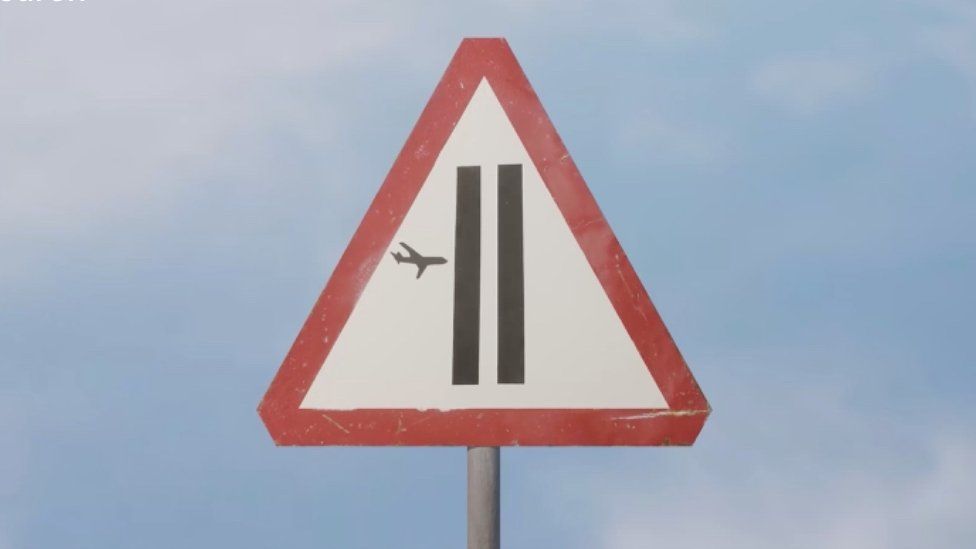
 The artist’s 2006 piece ‘Warning Sign’ has been reimagined as a non-fungible token (NFT) – a unique digital certificate. The holder will also own a 5% equity stake in the original piece. Media company Gloss – which owns both pieces – said the stake will “solidify” its value and drive “seismic” change in the digital and art worlds.
Source: Banksy-inspired NFT drives ‘seismic’ change in art world
 Mary Shelley’s Frankenstein is arguably a metaphor for the dangers of the industrial revolution; a hideous monster brought to life by human tampering with, and mastery of, nature. But in our digital age – which some have dubbed the fourth industrial revolution – what is there left to be tampered with? And what dreadful powers could be unleashed by shaking up the world order?
 Back in July, CEO Mark Zuckerberg promised that his company would establish a $1 billion creator fund to pay talent through 2022. Now a new report from The Information details how some of that money is being spent. Facebook is paying musicians up to $50,000 to use Live Audio Rooms.

 As Spotify steadily acquires audio content companies and distributors (such as Anchor and Gimlet, which it bought in 2019 for $340 million), and pushes out new features like live audio, paid subscription, video, polls, and other modes of personalization and interactivity, the company is setting out to become not only the biggest podcast platform in the world, but also the most transformative.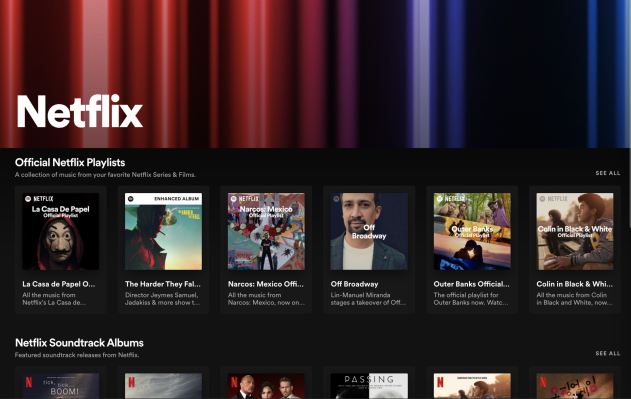
 Over the weekend, “No Time to Die” eclipsed $730 million in global ticket sales, making the James Bond sequel both the year’s highest-grossing Hollywood film and the top performing film since COVID-19 appeared. However, the movie cost more than $250 million to produce, at least $100 million to promote and tens of millions more to postpone over 16 months. Insiders say “No Time to Die” needs to make closer to $900 million to break even, a feat that would have been realistic had a global health crisis not entirely upended the theater industry.
 For years, crypto believers have been trying to put music “on the blockchain.” And while startups and investors say there’s potential, many artists – at least so far – remain unconvinced. Some services have taken a shot, but most are geared toward artists already immersed in blockchain tech. What about musicians who are put off by crypto, who just want to get paid for their work? Enter Nina, a new digital marketplace for music in the vein of Bandcamp and Discogs.