 Nightshade, a new, free downloadable tool created by computer science researchers at the University of Chicago designed to be used by artists to disrupt AI models scraping and training on their artworks without consent, has received 250,000 downloads in the first five days of its release. It’s a strong start for the free tool, and shows a robust appetite among some artists to protect their work from being used to train AI without consent.
Source: AI poisoning tool Nightshade received 250,000 downloads in 5 days: ‘beyond anything we imagined’
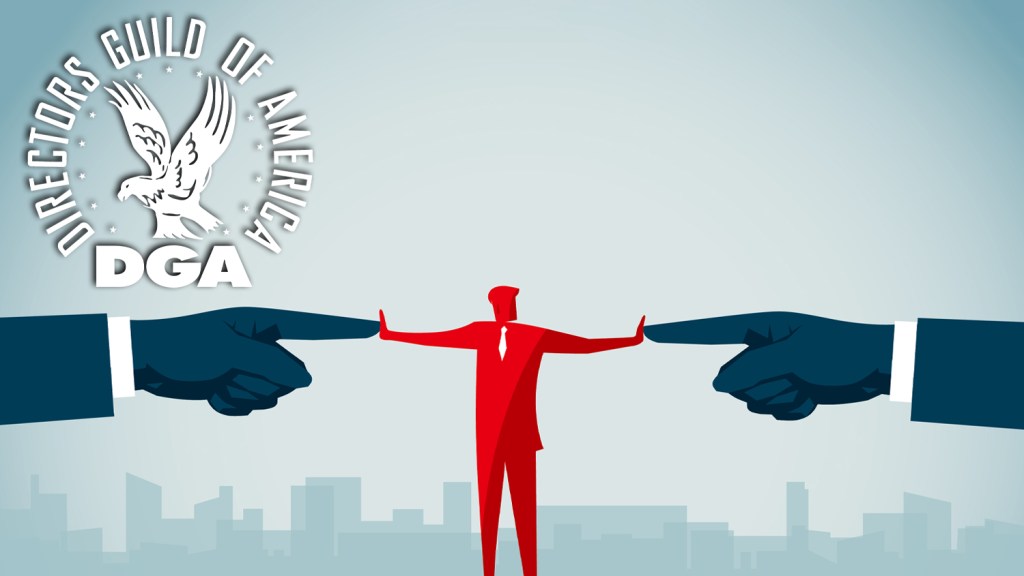
 The legal disputes around the development of AI are serious business. But when thinking of these suits, an old adage comes to mind: this isn’t about justice, this is about the law. And the legal questions swirling around AI in this moment are less about what’s broadly fair and more specifically about fair use—which, to many authors and publishers, is only sometimes fair.
 A surge in AI-generated literature is raising concerns among some who believe this trend could undermine the authenticity and value of the reading experience.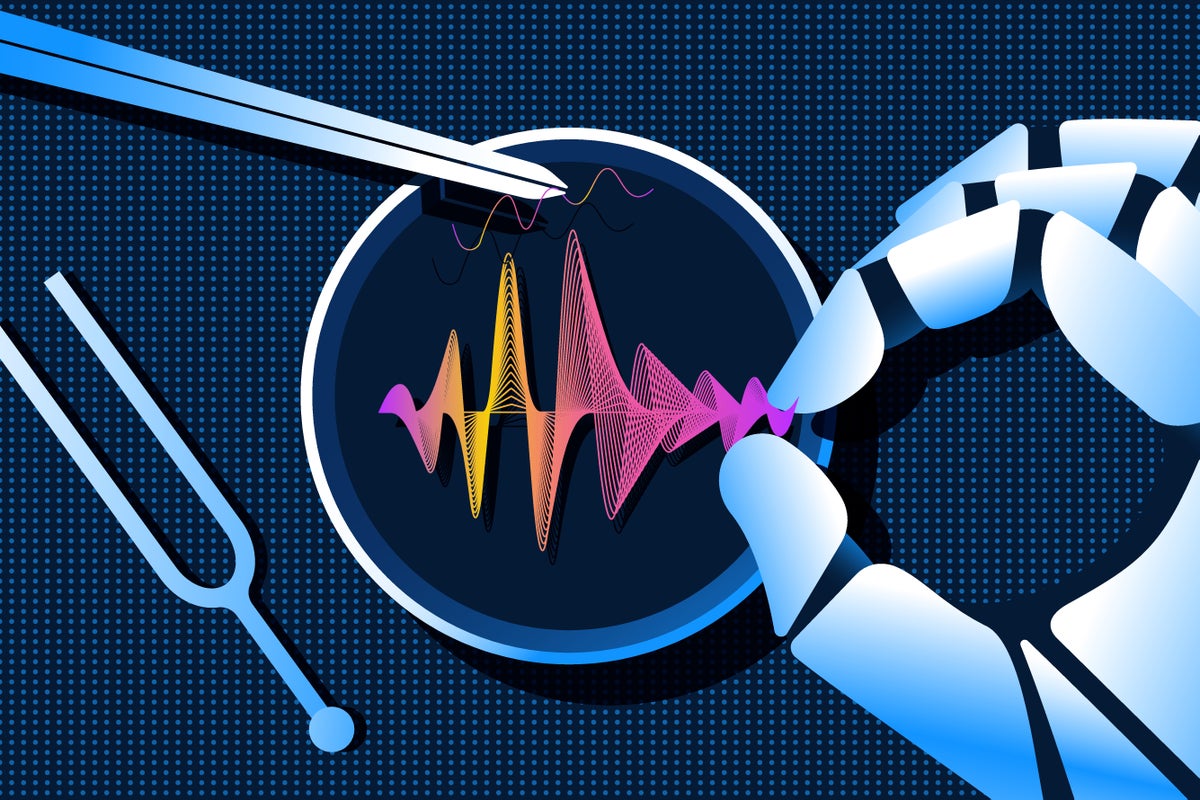

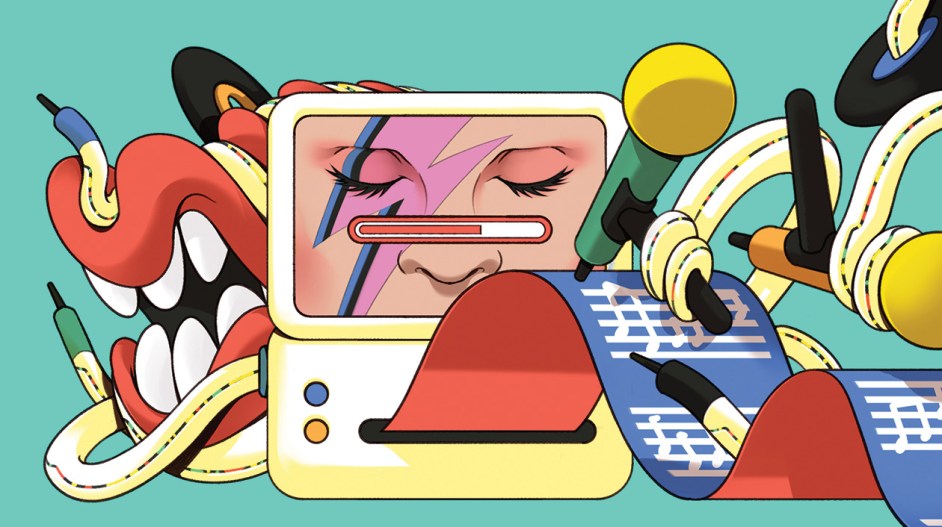
 U.S. antitrust enforcers are opening an inquiry into the relationships between leading artificial intelligence startups such as ChatGPT-maker OpenAI and Anthropic and the tech giants that have invested billions of dollars into them. The action targets Amazon, Google and Microsoft and their sway over the generative AI boom that’s fueled demand for chatbots such as ChatGPT, and other AI tools that can produce novel imagery and sound.