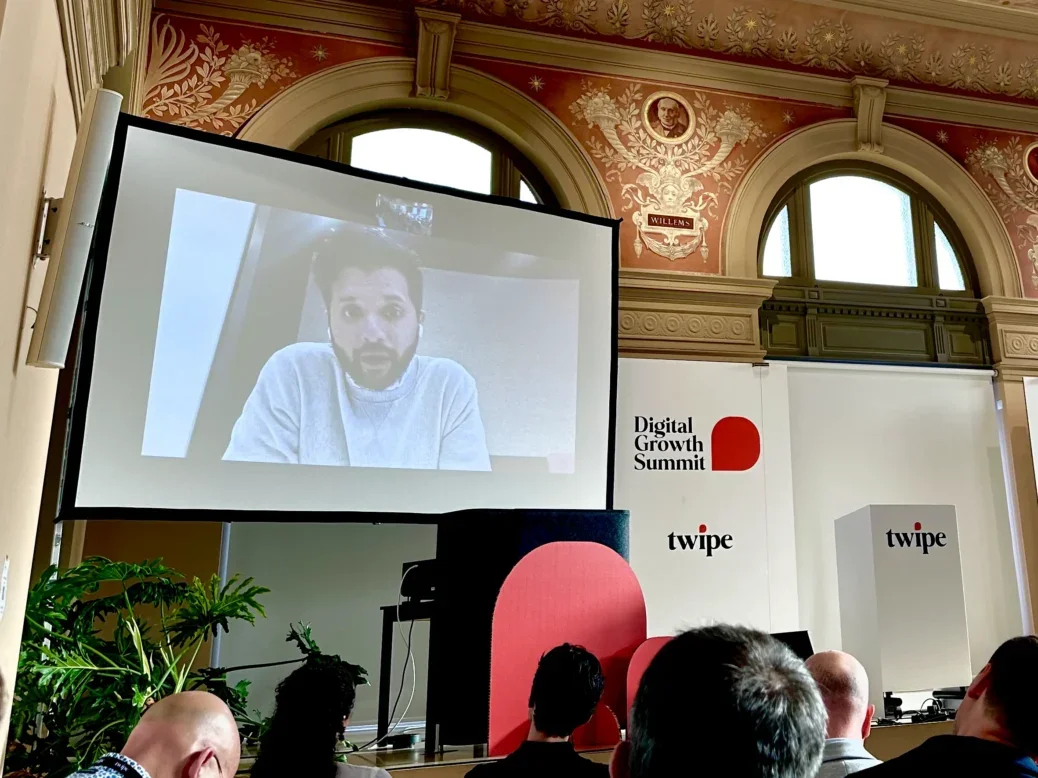
 OpenAI’s head of media partnerships has said it does not currently intend to share SearchGPT ad revenue with publishers. But he added that the matter was “an evolving space for us right now” and that it was in OpenAI’s interests to provide enough value to stop publishers opting out of appearing in SearchGPT results.
Source: OpenAI exec rules out sharing revenue from SearchGPT with publishers, for now
 Despite decades of infighting and years of false starts, the members of Pink Floyd have agreed to sell music rights to Sony Music for $400 million. The deal apparently has finally concluded despite decades of ongoing infighting and bitter words between the bandmembers, notably chief songwriters Roger Waters and David Gilmour. The deal comprises recorded-music rights but not songwriting, which is held by the individual writers, as well as name-and-likeness, which includes merchandise, theatrical and similar rights.