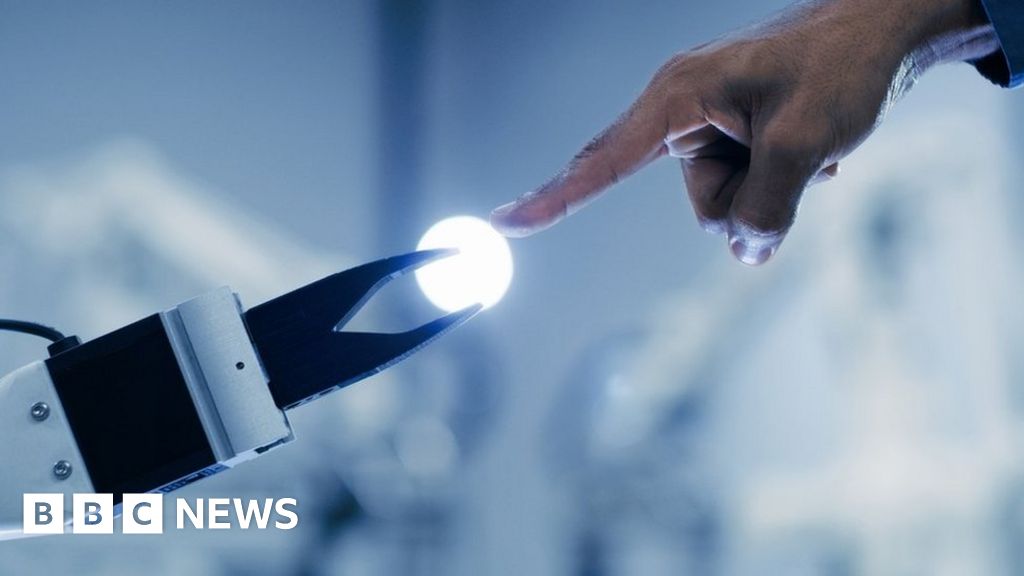
 Technologist Dr Stephen Thaler had sought to have his AI, called Dabus, recognised as the inventor of a food container and a flashing light beacon. But in 2019, the intellectual property office (IPO) rejected this, saying only a person could be named as an inventor. Now five Supreme Court judges have dismissed a bid to reverse those decisions, concluding that “an inventor must be a person”, and that an AI cannot be named as an inventor to secure patent rights.
Source: AI cannot patent inventions, UK Supreme Court confirms

 It’s been just over a year since ChatGPT was introduced to a public mostly unfamiliar with artificial intelligence. It appeared initially to have no obvious relevance to book publishing. Since then everything has changed—and nothing has changed. Publishers are beginning to dive into the new AI tools, exploring the edges, engaging in tentative chats with ChatGPT. But there’s no evidence of a revolution in the practice of publishing. It’s just too soon

 In comments submitted to the U.S. Copyright Office this week, the Association of American Publishers slammed assertions by the tech industry that fair use permits AI developers to use copyrighted works to train their systems without permission or compensation. In the 15-page document, the AAP offered a blunt characterization of tech companies that, in their initial comments, asserted that “the rights of authors and publishers are an obstacle to innovation,” calling such claims “nonsense.”