 Digital scarcity is necessary to create a unique user experience and enable fans to form longer-lasting and more profound connections with their favorite artists. As it stands, there is nothing truly unique about music on Spotify — tracks don’t come in limited editions, music connoisseurs are not able to get their hands on rare album releases, and Spotify lacks a scarcity system.
Source: Online content streaming is dead. Long live the music NFTs
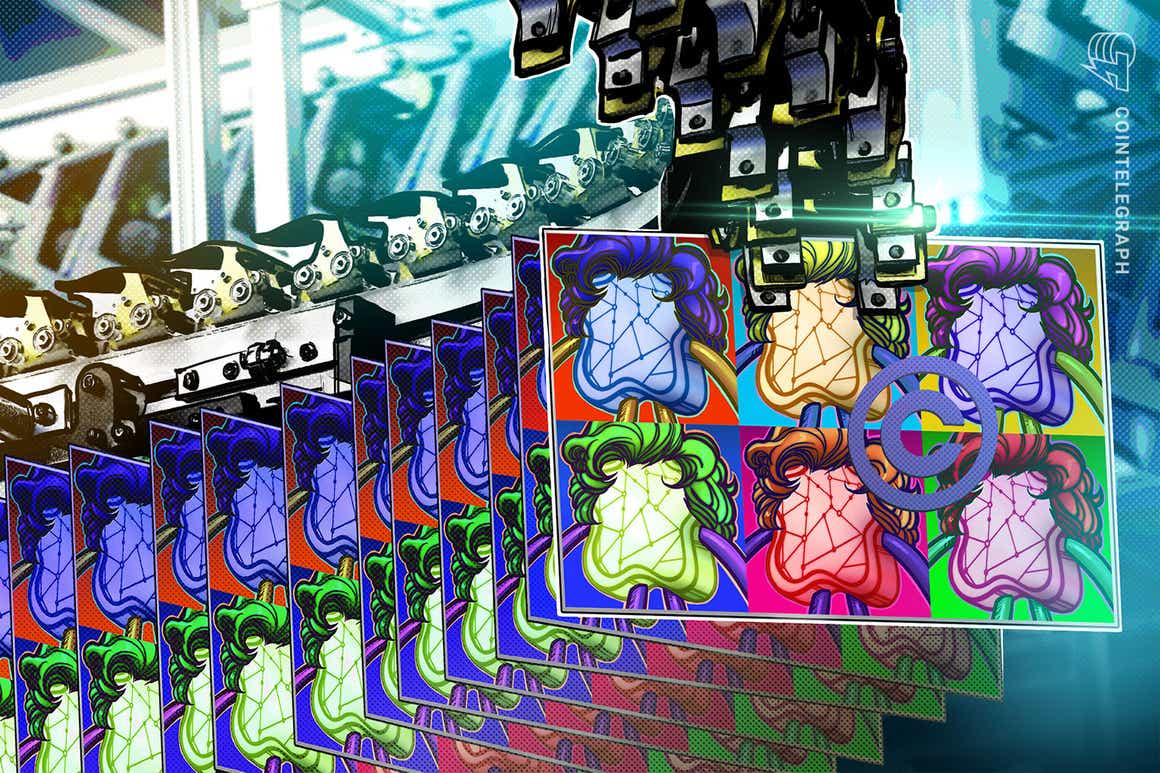


 The platform enables fine art enthusiasts to own “some of the world’s greatest masterpieces” by collectively participating in the art market via the ‘Particalise’ process, which involves splitting art into 10,000 unique NFTs, or ‘Particles’. The ‘Particalise’ process means that each piece has its title deeds stored on the Blockchain, with buyers receiving a digital certificate, or collector’s card, to represent their ownership of the painting.
 Non-fungible tokens (NFTs) are taking the music industry by storm. Several marketplaces have sprung up offering pieces of artwork, golden tickets, and more – all sold as an NFT. But one man questions the idea of NFTs and if buying a digital piece of a blockchain really proves ownership when anyone can ‘right click’ and save a picture.
 The e-book format has opened up the opportunity to reach more readers, creating inclusivity for those who have been previously challenged in engaging with physical books. E-books have many devoted users and their relative cost-effectiveness to produce and distribute is an important component of every publisher’s growth strategy for the foreseeable future.
 The uptake of blockchain technology in the media has been slow, with less than 10 per cent of publishers making it part of their strategy. However, a recent report by INMA shows how blockchain could help publishers and how they could begin experimenting with the “potentially industry-changing technology.”
 The recent controversy surrounding the mistranslations found in the Netflix hit “Squid Game” and other films highlights technology’s challenges when releasing content that bridges languages and cultures internationally. Artificial intelligence (AI) and machine learning (ML) are highly anticipated answers to this problem, but neither has reached the point of replacing the human localization component.