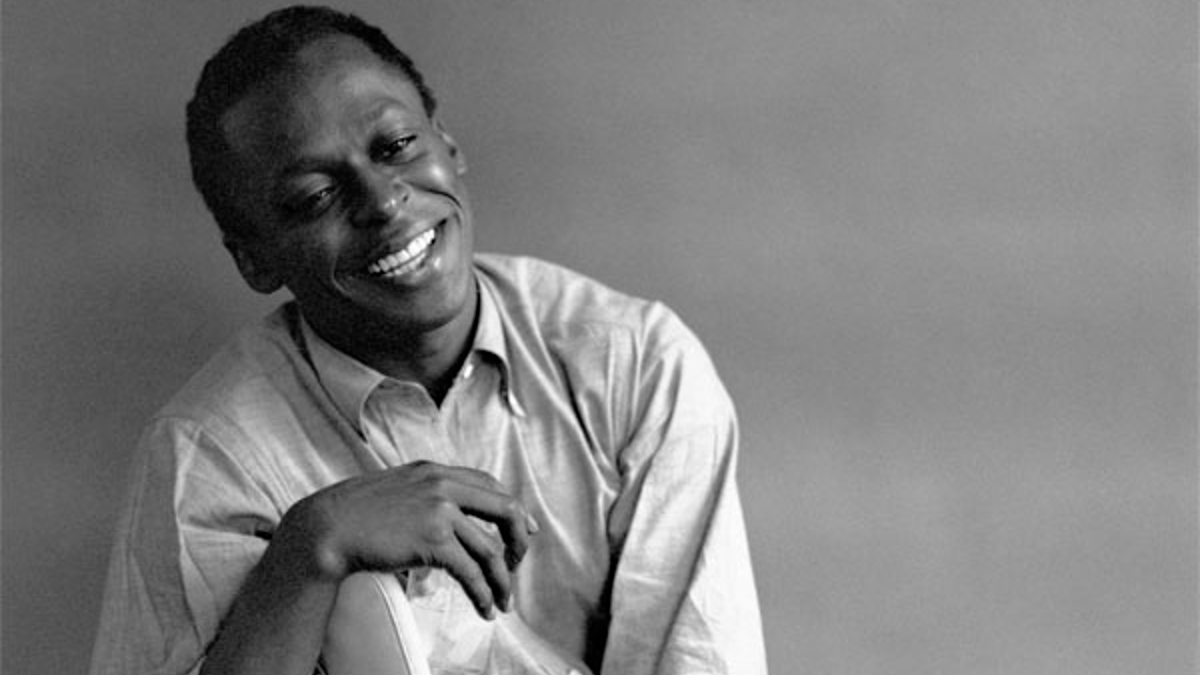
 Celebrity tattoo artist Kat Von D beats an infringement lawsuit over a Miles Davis tattoo she inked in 2017. Kat Von D, celebrity tattoo artist and former cosmetics mogul, won a legal battle in federal court last week when a jury ruled that her tattoo reproducing a photo of jazz musician Miles Davis did not violate copyright law. The trial began in Los Angeles last week.
Source: Kat Von D Beats Infringement Lawsuit Over Miles Davis Tattoo
 Nightshade, a new, free downloadable tool created by computer science researchers at the University of Chicago designed to be used by artists to disrupt AI models scraping and training on their artworks without consent, has received 250,000 downloads in the first five days of its release. It’s a strong start for the free tool, and shows a robust appetite among some artists to protect their work from being used to train AI without consent.
 The legal disputes around the development of AI are serious business. But when thinking of these suits, an old adage comes to mind: this isn’t about justice, this is about the law. And the legal questions swirling around AI in this moment are less about what’s broadly fair and more specifically about fair use—which, to many authors and publishers, is only sometimes fair.

 Blockchains with royalties embedded within their code can guarantee that creator royalties will be respected, according to professionals working in Web3. While some platforms continue to hop on the optional royalty trend, others are going the other way, implementing built-in royalty enforcement tools within their blockchains. In June 2023, NFT-focused blockchain platform Enjin released a blockchain mainnet with royalty enforcement embedded in the blockchain’s foundational code.