 Shopify, an Ottawa-based e-commerce company launched in 2006 by snowboarders seeking a platform to sell equipment, is now a juggernaut with a market value reported to be at least $180 billion and 1.75 million businesses in its portfolio. On Wednesday, five major publishers sued the Canadian company, accusing it of enabling digital piracy committed by its vendors.
Source: Shopify sued by publishers alleging copyright violations
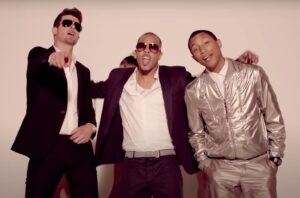 When Robin Thicke and Pharrell Williams prophetically titled their song “Blurred Lines,” no one could have predicted, sampled or interpolated the tidal wave of internet-hatched accusations of theft directed at industry hitmakers, or the onslaught of frivolous and dubious claims that this deeply flawed verdict would bring to light.
 A federal appeals court ruled Monday that
 Merging social media, gaming, consumerism and other forms of entertainment into one innovative digital universe holds great promise for the music industry. And while the terms and technology will change, the rules have not. Music must be licensed and paid for regardless of how it is consumed, which bodes well for songwriters in this new frontier.
 The European Council’s adoption this week of the General Approach on the Digital Services Act has been met with disappointment by a coalition of rightsholders including IFPI and the MPA. Their concerns include the introduction of a “safe harbor” for search engines and the apparent detachment of due diligence obligations from liability for infringing content.
 Record companies, both majors and indies, are up in arms over suggestions from a British politician that signed artists should see a portion of their UK streaming royalties bypass the label system entirely, and be paid to performers directly via a collection society.
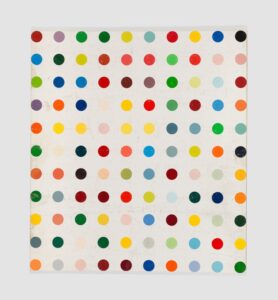 In August, a digital artist who closely guards his personal identity, going only by the online alias “loafgren,” did what the masters of his trade do best. He stole. Loafgren slapped a copy of “polka dots,” a famous work by Damien Hirst, one of the world’s most prominent artists, on a digital image of a pair of Crocs.
 Although the dispute is fascinating, it may not turn out to be a landmark case for copyright and trademark law in the NFT age. Aaron Moss, an intellectual property attorney at Greenberg Glusker who’s an expert in entertainment cases, wrote in a blog post that this wasn’t really much of a copyright dispute at all and didn’t even have all that much to do with the weird nature of NFTs. It’s more a matter of interpreting Tarantino’s contract.
 The suit appears to turn on the question of whether selling NFTs based on excerpts of a screenplay qualify as a “publication” of the screenplay. According to the suit, Tarantino’s lawyer has told Miramax that Tarantino retained the right to publish his screenplay in the Miramax contract, and that he is exercising that right through the NFT sale.