Rights

Getty Images Claims Stable Diffusion’s Creator ‘Copied’ 12 Million Copyrighted Images

Getty Images is asking the court to make the London, UK-based Stability AI remove the violating images and pay up to $150,000 “for each infringed image,” alongside other damages for violating copyright law. Of course, if Stability AI were found to have violated copyright on the 12 million images and was fined the max amount, the damages would be obscene. Getty did include a list of more than 7,000 images plus metadata and copyright registration the company said was used to train Stable Diffusion.

Source: Getty Images Claims Stable Diffusion’s Creator ‘Copied’ 12 Million Copyrighted Images

Using Blockchain to Store Illicit or Copyrighted Content: To Censor or Validate?

One of the critical advantages of blockchain technology is that it is decentralized and distributed, meaning that no single entity controls the network. This can also make it difficult for authorities to monitor and control the content stored on the blockchain. For instance, if someone were to keep copyrighted material on a blockchain, it would be essentially impossible for copyright holders to remove it as it would be stored across thousands of nodes.

Source: Using Blockchain to Store Illicit or Copyrighted Content

StarrAI Night: AI Art and the Necessary Changes in the Copyright Law

AI art raises several paradoxical themes in copyright law. First, what constitutes a “work” and what constitutes an “author?” Traditionally, a “work” is defined by meeting a minimum level of originality and having been created by a human being. However, there is a separate doctrine in copyright law allowing a human being to be treated as a “mere amanuensis”—a tool by which the “author” achieves their artistic vision.

Source: StarrAI Night: AI Art and the Necessary Changes in the Copyright Law

UK Music welcomes breakthrough in campaign to prevent music data mining

UK Music Chief Executive Jamie Njoku-Goodwin has welcomed Intellectual Property Minister George Freeman’s announcement that he plans to scrap Government proposals of broad copyright exception for text and data mining purposes. Among the key concerns was that the proposals could undermine the UK’s strong copyright framework and damage the economic power of creators and rightsholders.

Source: UK Music welcomes breakthrough in campaign to prevent music data mining

MLC ‘Unmatched Royalties’ Hit $561MM in 2021, Document Shows

The music industry can count the MLC as another major contributor to the multi-billion-dollar ‘black box’ of unpaid royalties. Earlier this week, an anonymous source reached out with word of a massive tranche of owed-but-unpaid mechanical royalty compensation, as well as adjacent concerns about the operations of the Mechanical Licensing Collective. The organization said in October of 2022 that it had distributed $700 million to members.

Source: MLC ‘Unmatched Royalties’ Hit $561MM in 2021, Document Shows

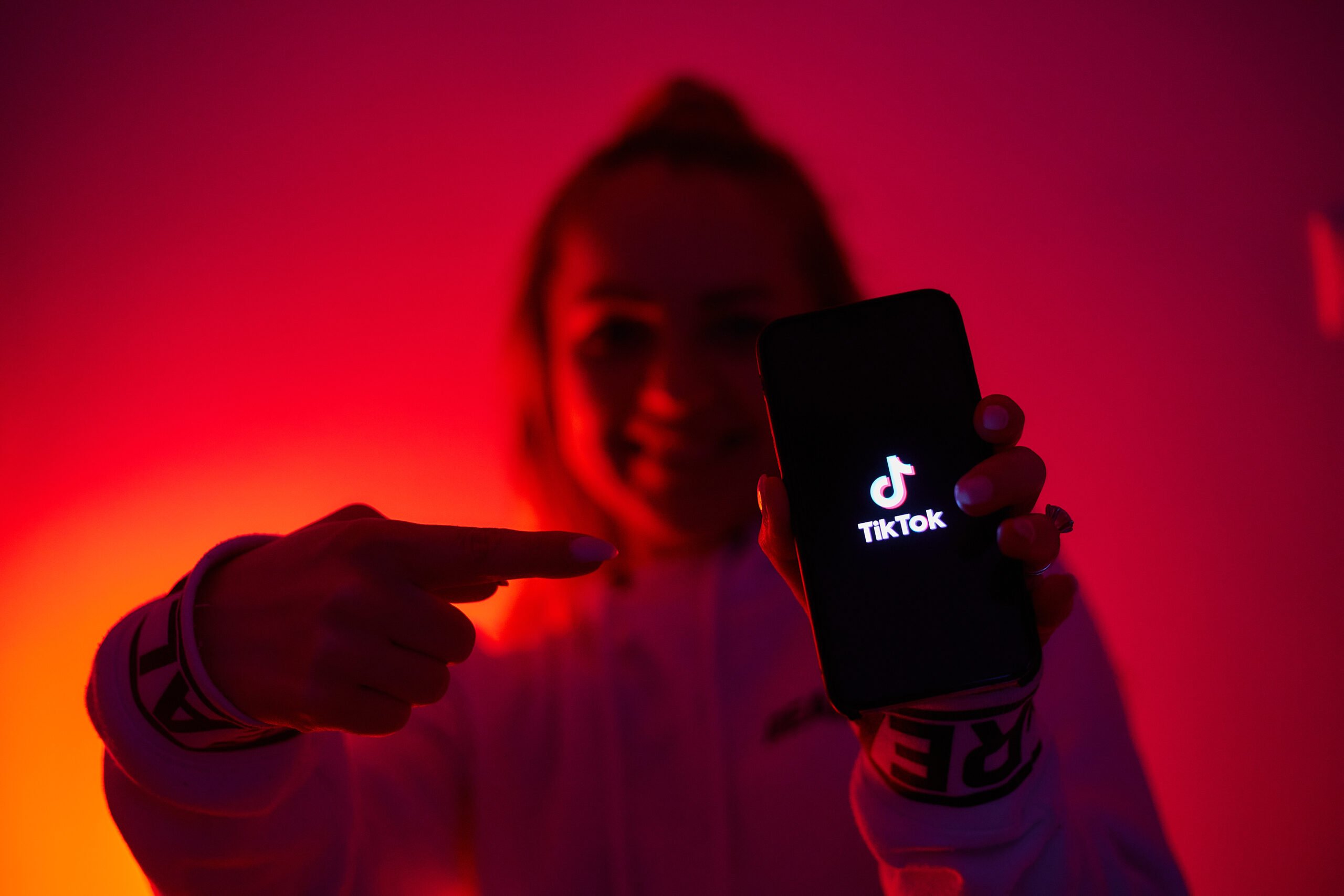
TikTok is trying to prove that it doesn’t need major label music

A number of TikTok users in Australia no longer have the choice to use some major label-licensed music in their videos. In other words: TikTok has removed major record company music from its service for a subset of users in Oz. Why? Our sources suggest TikTok is aiming to use the results of the experiment in their next round of record company licensing negotiations.

Source: TikTok is trying to prove that it doesn’t need major label music – and the eyes of the industry are upon it.

UMG partners with TIDAL to develop ‘more artist and fan-friendly’ streaming model

On Tuesday (January 31), TIDAL and Universal Music Group announced plans to research how, by “harnessing fan engagement”, music services and platforms can “generate greater commercial value for every type of artist.” They add in their announcement that their research will extend to how different economic models “could accelerate subscriber growth, deepen retention, and better monetize fandom to the benefit of artists and the broader music community.”

Source: Universal partners with TIDAL to develop ‘more artist and fan-friendly’ streaming model

Word Collections Seeks Sanctions From Pandora in Copyright Suit

Word Collections has filed a motion for sanctions against Pandora and its law firm over several allegedly false counterclaims. Spoken Giants filed a separate Rule 11 motion last week. Both  are suing Pandora for allegedly failing to secure licenses for an array of compositions/literary works. May of 2022 saw Pandora levy an antitrust counteraction against Word Collections, and the presiding judge in October of the same year dismissed this countersuit with leave to amend.

Source: Word Collections Seeks Sanctions From Pandora in Copyright Suit

Yuga Labs Says It Does Not Have Copyright Registration Of Bored Ape Images

Yuga Labs, parent company of Bored Ape Yacht Club, said in a court filing it does not have “copyright registrations” for the NFT collection’s images. However, as legal experts have noted, Yuga did not sue Ripps on a copyright claim. A number of possible reasons have been suggested, from a lack of copyright registrations to Yuga wanting to avoid allowing Ripps to use a Fair Use/Freedom Of Speech defense.

Source: Yuga Labs Says It Does Not Have Copyright Registration Of Bored Ape Images, in New Court Documents

OpenAI, Github Seek to Dismiss AI Copyright Infringement Lawsuit

Microsoft, along with its subsidiaries GitHub and OpenAI, has told a San Francisco federal court that a proposed lawsuit over the open-source code the companies use to train their AI systems is unsustainable. The companies say that the complaint, filed by anonymous copyright owners, needs to outline the allegations more precisely. Additionally, the companies state that GitHub’s Copilot system, which suggests lines of code for programmers, was within fair use of the source code it recommends.

Source: OpenAI, Github Seek to Dismiss AI Copyright Infringement Lawsuit

Get the latest RightsTech news and analysis delivered directly in your inbox every week
We respect your privacy.