Rights

AP strikes news-sharing and technology deal with OpenAI

The Associated Press on Thursday said it reached a two-year deal with OpenAI, the parent company to ChatGPT, to share access to select news content and technology. The deal marks one of the first official news-sharing agreements made between a major U.S. news company and an artificial intelligence firm. As part of the deal, OpenAI will license some of the AP’s text archive dating back to 1985 to help train its artificial intelligence algorithms.

Source: AP strikes deal with OpenAI
French news groups take Twitter to court over digital copyright

The dispute involves so-called neighboring rights: a form of copyright protection that extends to the performers, producers or broadcasters of copyrighted material, not only its original author. Under an EU directive of 2019, now part of French law, the concept allows news publishers to claim remuneration for any reproduction of their content in digital form.

Source: French news groups take Twitter to court over digital copyright

Google hit with class-action lawsuit over AI data scraping

Alphabet’s Google was accused in a proposed class action lawsuit on Tuesday of misusing vast amounts of personal information and copyrighted material to train its artificial intelligence systems. The complaint, filed in San Francisco federal court by eight individuals seeking to represent millions of internet users and copyright holders, said Google’s unauthorized scraping of data from websites violated their privacy and property rights.

Source: Google hit with class-action lawsuit over AI data scraping

Shutterstock expands deal with OpenAI to build generative AI tools

Shutterstock today announced that it plans to expand its existing deal with OpenAI to provide the startup with training data for its AI models. Over the next six years, OpenAI will license data from Shutterstock including images, videos and music as well as any associated metadata. Shutterstock, in turn, will gain “priority access” to OpenAI’s latest tech and new editing capabilities.

Source: Shutterstock expands deal with OpenAI to build generative AI tools

AI Isn’t the Music Industry’s Biggest Problem: Here’s How to Stop Streaming Fraud 

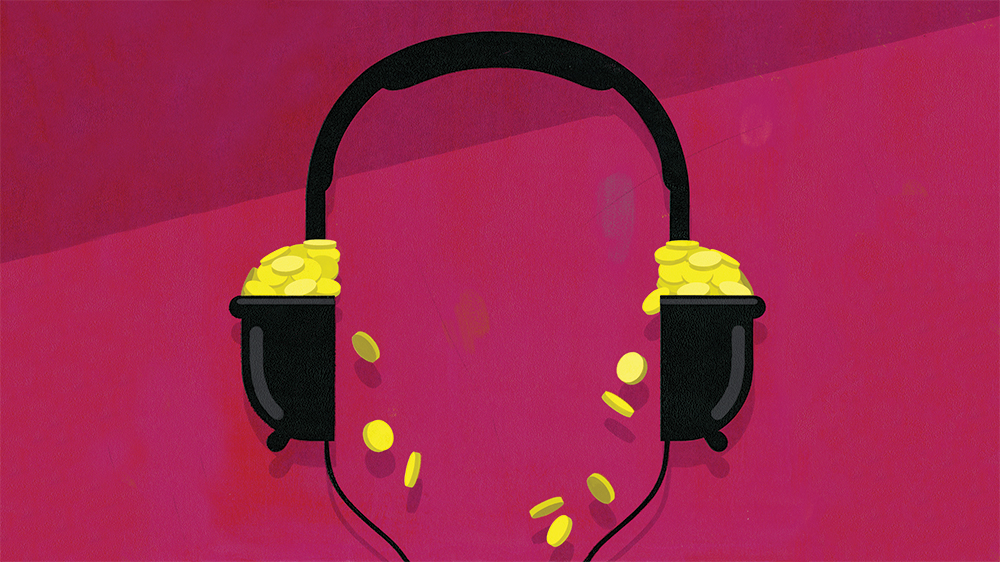
The only way to solve streaming fraud is to switch from a pro-rata payment model to a user-centric payment model. A “user-centric” payment model functions completely differently. If you pay $10 for a streaming subscription and you listen to only one artist this month, that one artist gets all of your $10 – less the platform’s commission. This payment model incentivizes fandom instead of fraud.

Source: AI Isn’t the Music Industry’s Biggest Problem: Here’s How to Stop Streaming Fraud Right Now

YouTube Copyright ID Claims Reach a New High 

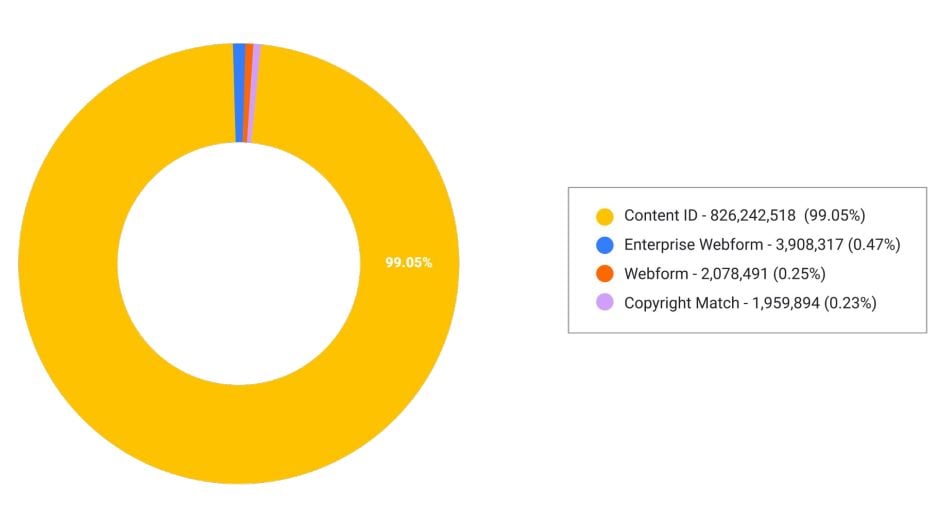
YouTube’s latest transparency report shows that the number of Content ID system claims has reached a new high. During the second half of last year, the advanced copyright tool flagged over 826 million issues, nearly all automated. Through monetization options, these Content ID claims generate roughly $1.5 billion in additional annual payouts to rightsholders.

Source: YouTube Copyright ID Claims Reach a New High * TorrentFreak

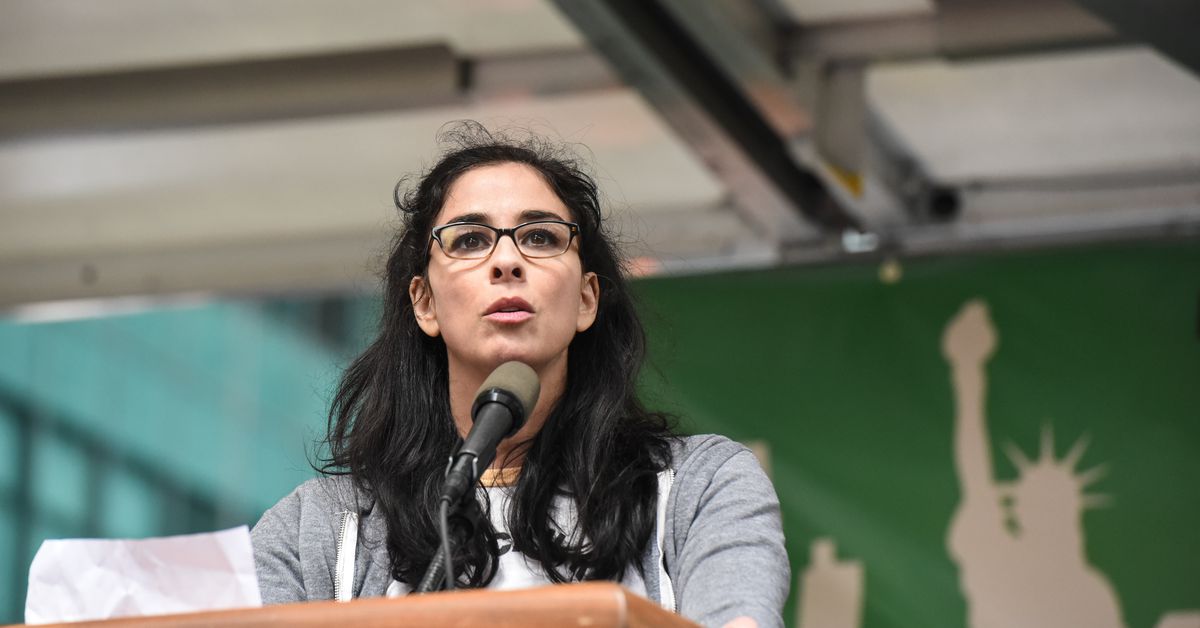
Sarah Silverman is suing OpenAI and Meta for copyright infringement

The suits alleges, among other things, that OpenAI’s ChatGPT and Meta’s LLaMA were trained on illegally-acquired datasets containing their works, which they say were acquired from “shadow library” websites like Bibliotik, Library Genesis, Z-Library, and others, noting the books are “available in bulk via torrent systems.”

Source: Sarah Silverman is suing OpenAI and Meta for copyright infringement

Is Voice Licensing A Future Revenue Stream for Artists?

With the accessibility of AI voice training technology, the question remains how the music industry will adapt to this new technology? Producer and DJ, DJ Fresh believes he has the answer, so he’s teamed up with software developer Nico Pellerin to forge a new path. VoiceSwap aims to create AI voice models that have been authorized by the artist.

Source: Is Voice Licensing A Future Revenue Stream for Artists?

Authors file a lawsuit against OpenAI for unlawfully ‘ingesting’ their books

Mona Awad and Paul Tremblay allege that their books, which are copyrighted, were ‘used to train’ ChatGPT because the chatbot generated ‘very accurate summaries’ of the works. The complaint said that OpenAI “unfairly” profits from “stolen writing and ideas” and calls for monetary damages on behalf of all US-based authors whose works were allegedly used to train ChatGPT.
Source: Authors file a lawsuit against OpenAI for unlawfully ‘ingesting’ their books

Generative AI in Games Will Create a Copyright Crisis

Laws in both the US and the UK stipulate that, when it comes to copyright, only humans can claim authorship. So for a game like AI Dungeon, where the platform allows a player to, essentially, “write” a narrative with the help of a chatbot, claims of ownership can get murky: Who owns the output? The company that developed the AI, or the user?

Source: Generative AI in Games Will Create a Copyright Crisis

Get the latest RightsTech news and analysis delivered directly in your inbox every week
We respect your privacy.