Source: Online-Books Lawsuit Tests Limits of Libraries in Digital Age
Source: Online-Books Lawsuit Tests Limits of Libraries in Digital Age
 Global music publishers are officially responding to Meta’s alleged ‘strongarm tactics’ amid a licensing dispute with Italian authors. According to SIAE, the song pulldowns followed months of unsuccessful discussions with Meta, after the Instagram owner’s prior licensing deal expired at 2023’s start. SIAE further accused Meta of making a “take it or leave it” lump-sum offer without providing “the fundamental information necessary for a fair negotiation.”
Source: Music Publishers Respond to Meta Licensing Dispute in Italy
 Twitter explored the licensing of music rights from three major labels before negotiations stalled after Elon Musk’s takeover of the company, said eight people with knowledge of the discussions, who were not authorized to speak publicly. Twitter is one of the last big social media platforms without music licensing deals. Facebook, Instagram and TikTok have all made agreements for music rights.
Source: Twitter’s Talks Over Licensing Music Are Said to Stall Under Musk
 This week, The Italian Society of Authors and Publishers (SIAE), which represents tens of thousands of songwriters in Italy, issued a press release announcing that US tech behemoth Meta had decided to “exclude” its music repertoire from services such as Facebook. According to SIAE, the decision to remove its members’ songs has left Italian authors and publishers “bewildered”.
 On Wednesday (March 15), Universal confirmed an initiative between the two companies to “investigate potential new economic models for music streaming that more fully recognize the value artists create.” According to a press release, through this collaboration, “UMG and Deezer aim to develop new methods that holistically reward recording artists and songwriters for the value they create and to reimagine and update the engagement model for Deezer’s users and the artists they love.”
Source: Universal confirms partnership with Deezer to explore new streaming model
 In Wednesday’s report, the agency said that the use of AI tools was not an automatic ban on copyright registration, but that it would be closely scrutinized and could not play a dominant role in the creative process. “If a work’s traditional elements of authorship were produced by a machine, the work lacks human authorship and the Office will not register it,” the agency wrote.
Source: Copyright Report Says AI-Assisted Works Can Be Protected – But Only If A Human Was Still In Charge
 Organizations representing book publishers, booksellers and authors have formed a coalition to protect copyrights and oppose legislation across the country that it fears could drive down e-book prices and damage writers’ ability to support themselves. Their current focus is proposed legislation in Connecticut, Kentucky and elsewhere that sets boundaries on what publishers can ask for when negotiating with a given state’s library system.
Source: Publishers, sellers, authors form Creative Economy Coalition
 A closer look at e-lending rates reveals that concern over current prices is unwarranted. While libraries often pay $50 for a two-year license permitting unlimited electronic checkouts—triple the amount readers pay per e-book with a personal license—this rate saves libraries a great deal of money in the long run. Without the pricing differences between e-lending and personal licenses, it wouldn’t make financial sense for authors to offer their works to libraries at all.
Source: Why a State-Based Overhaul of US Copyright Law is a Bad Idea
 When Spotify says 57,000 artists generated more than $10,000 on its platform in 2022, that number lumps together a wide range of acts – from those who generated $10,001 last year, all the way up to the handful earning multiple millions of dollars on the platform. To get a more granular understanding, we need to further crunch the numbers on Loud & Clear to ascertain how many artists are generating distinct amounts of money within individual royalty brackets on Spotify.
Source: Spotify’s mission statement is preposterous. Its latest announcements prove it.
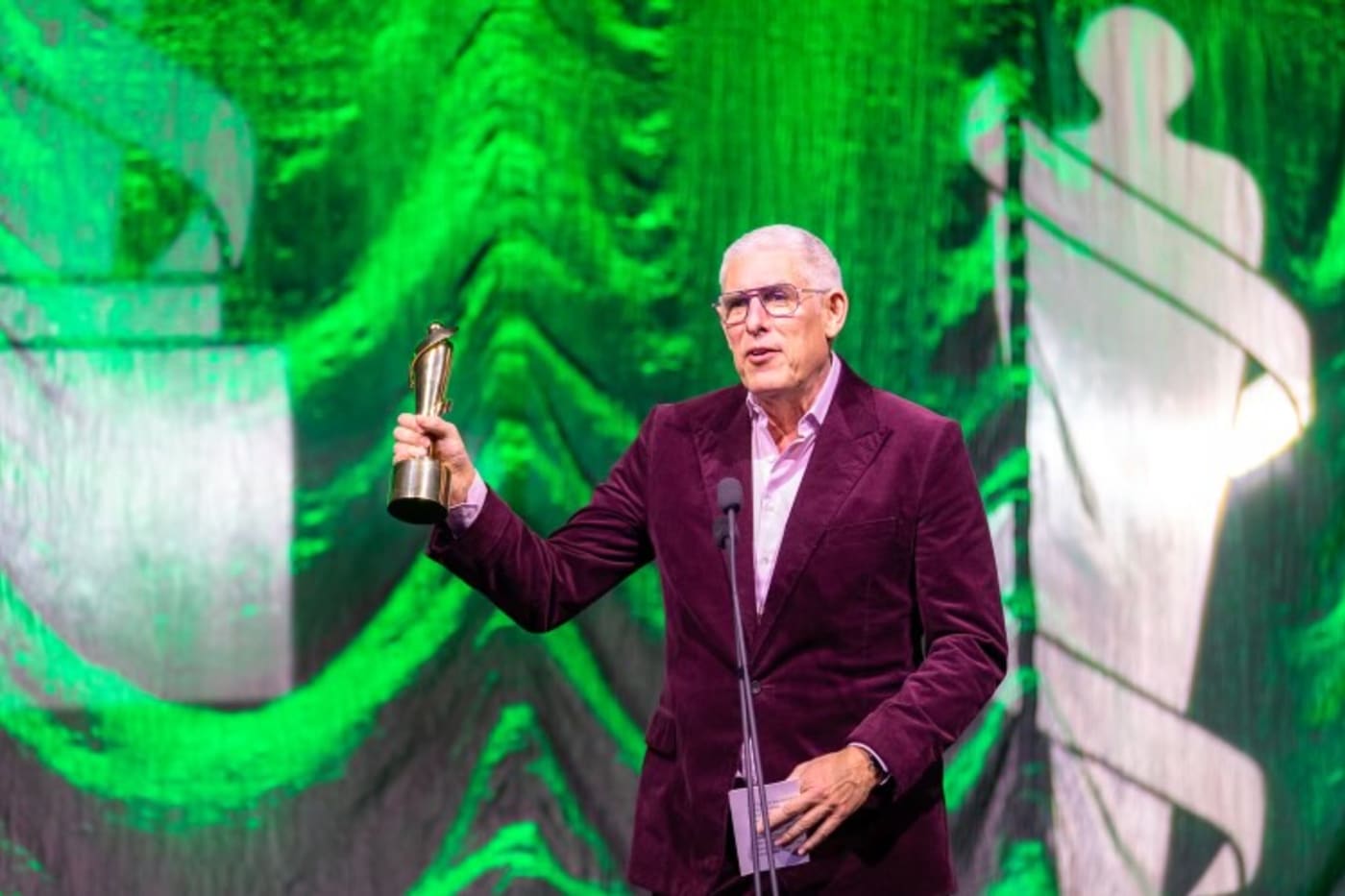
Source: Lyor Cohen on Canada’s New “Streaming Bill”: “It Will Clip the Wings of Emerging Artists”