
Source: Netflix Disrupted Entertainment With Binge Viewing. Now Can It Avoid Disruption Itself?

Source: Netflix Disrupted Entertainment With Binge Viewing. Now Can It Avoid Disruption Itself?
 News providers are now flocking to the app, with many of those that arrived early now seeing follower counts upwards of a million, and many seeing six-figure or seven-figure follower growth in 2022. Even BBC News, which once derided Tiktok as a place for “light news”, joined the app in March, though it has yet to make much of on impact on it.
Source: Why is journalism starting to become viral on Tiktok?
 Universal Music Group, via its Universal Music Production Music division, has quietly launched a new sample service called Usample. According to the Usample website, the service offers a catalog of around 7,000 “rare” tracks, that, Universal says, come “from the depths of the [UMG] archive, digitised for the first time since the original pressings”.
Source: Universal Music Group just launched a ‘secret’ sample service… for major label artists only 🤫
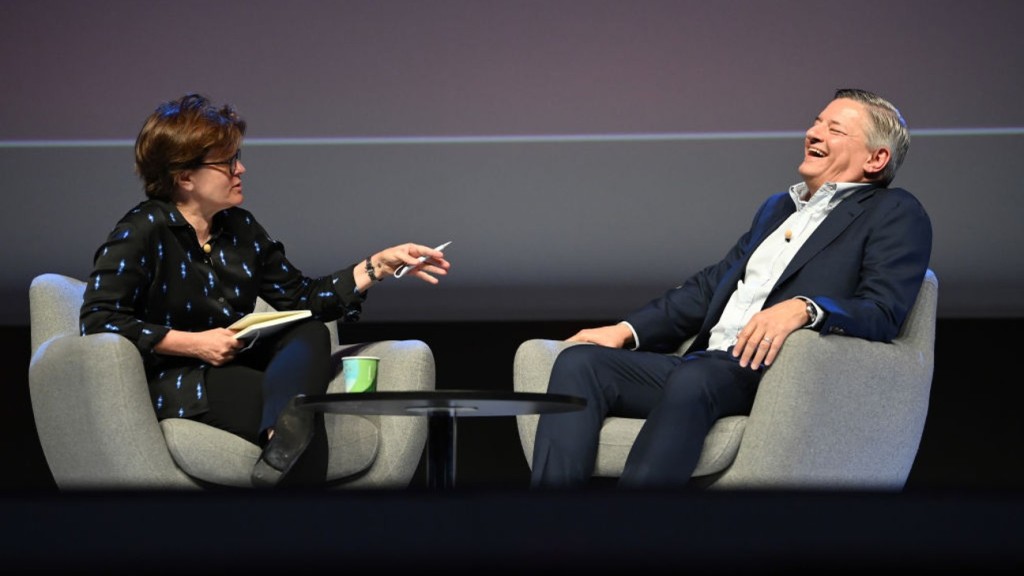 Netflix’s Co-CEO Ted Sarandos, speaking at the Cannes Lions advertising festival on Thursday, confirmed that the future of the streaming giant will include ads, explaining the about face. “We adding an ad tier; we’re not adding ads to Netflix as you know it today,” Sarandos said Thursday, speaking on the Cannes Lions stage with Sway podcast host Kara Swisher. “We’re adding an ad tier for folks who say, ‘Hey, I want a lower price and I’ll watch ads.’”
Source: Ted Sarandos Explains Why Netflix Will Add New Ad-Supported Tier to Streaming Service
 Canada approved legislation that targets what video- and audio-sharing platforms can broadcast to a Canadian audience, as the country follows in Europe’s footsteps in imposing a heftier regulatory burden on the digital sector. As contemplated under the new measures, users who search for music, television programming, films or do-it-yourself video shorts would get results incorporating a certain quota of Canadian-made content.
Source: Canada to Compel YouTube, TikTok and Streamers to Boost Domestic Content
 In the wake of a massive stock slide triggered by a subscriber dip during the first quarter, Netflix co-CEO Ted Sarandos, head of global film Scott Stuber and head of global television Bela Bajaria have launched a charm offensive, stressing to top creators and agents that they will continue to spend aggressively to make and market movies and shows.
Source: Netflix Has a Message for Hollywood: We’re Still Spending Money
 President Barack Obama and Michelle Obama are going into business with Audible, the Amazon-owned audio storytelling platform. The deal comes after the Obamas’ exclusive podcast pact with Spotify, originally inked in 2019, came to an end. Spotify says it declined to renew the deal; according to sources, the Obamas wanted their podcast programming to be distributed as widely as possible and not exclusive to Spotify.
Source: Obamas’ Higher Ground Inks First-Look Deal With Audible After Ending Spotify Pact
 Consolidation and the accelerating push into advertising are rapidly turning the power structure behind streaming into something more resembling traditional television, or the monopolistic tech sector, than some radical new business model. One example: New requirements being implemented by Roku and other major connected platform players for free, ad-supported streaming service (FAST) partners.
Source: Video Insider: Are Independent FASTs Already Headed For The Endangered Species Watch List?
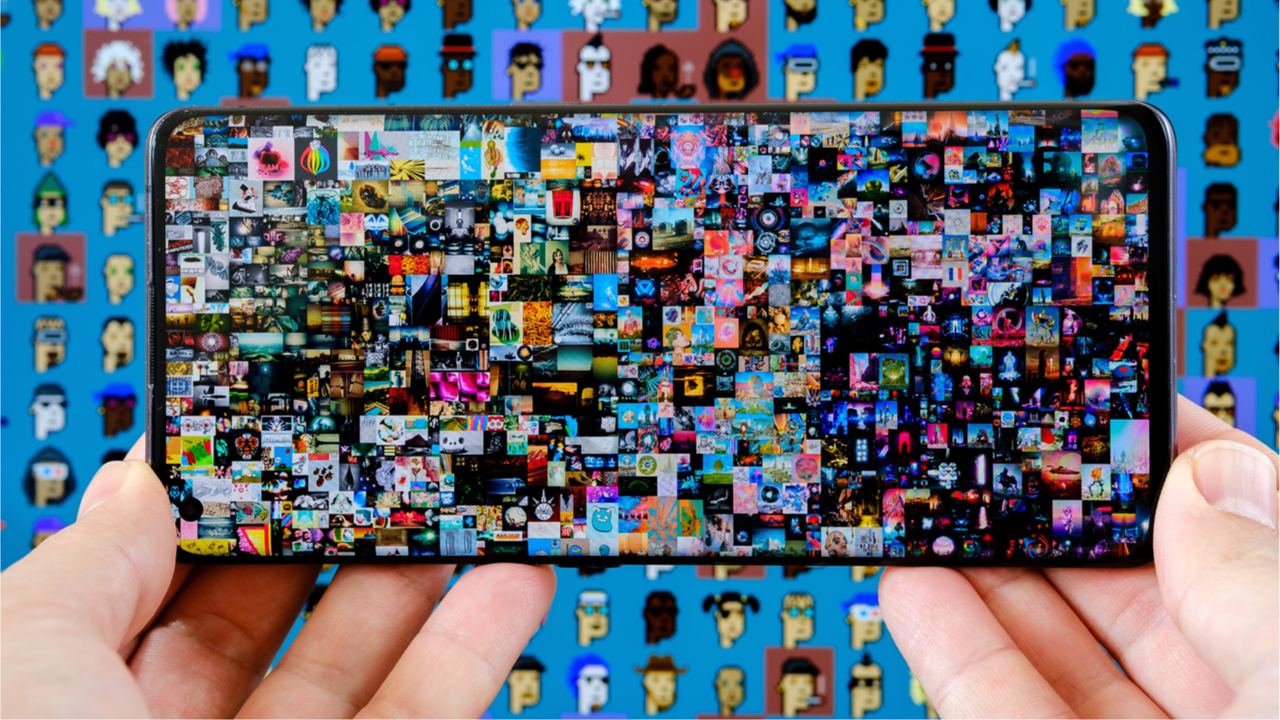 This past week’s NFT sales across 18 different blockchains saw approximately $184,417,851 in sales, but that’s 17.33% lower than the $223,085,710 recorded the week prior. $151 million of the NFTs sold this past week stemmed from the Ethereum blockchain network but ETH-based NFT sales slipped over 18% this week. Monthly ETH-based NFT sales are down 76.38%.
 Subscription streaming video is cooling down from torrid growth rates seen in 2020 and ’21 — fueled by pandemic lockdowns — but is still experiencing healthy expansion in the U.S., one of the segment’s most mature markets. In 2022, SVOD services in the United States will generate revenue of $25.32 billion, up 13% from last year, according to PwC’s Global Entertainment & Media Outlook 2022–2026 report, released Monday.
Source: U.S. Subscription VOD Revenue Growth Slowing to 13% in 2022, Hitting $25 Billion: PwC Report