 The marketplace is described as “large-scale” and “consumer-facing” and comes as the trading of NFTs or non-fungible tokens is booming. The market for these digital assets hit $2 billion in sales during the first quarter of 2021 with the likes of Beeple selling NFT artwork for $69.3 million and Jack Dorsey auctioning off his first tweet for $2.9 million.
Source: Dolphin Entertainment, FTX Launching NFT Marketplace for Sports and Entertainment Brands (EXCLUSIVE)


 People who’ve spent a decade in music have likely seen a dozen of companies promising to disrupt come and go. Disruption doesn’t sell. Solving problems does. The most common misunderstanding seems to stem from a fallacy around intermediaries and that disintermediation always improves things. The oversimplified view is that everything besides the artist & fan is ‘extra’ and both would profit if it can be successfully disrupted.

 With music discovery being one of the platform’s most talked-about attributes, it won’t surprise most music marketers to learn that 75% of TikTok visitors discover artists there, while 63% say it’s a source for music they’ve not heard before and 72% indicating they associate certain songs with TikTok.
 The music business’s main value flows from its ability to control creative intellectual property, and that’s an essentially centralized activity. We need to be clear eyed about what needs to happen to create a truly robust, multi-faceted decentralized ecosystem for music.
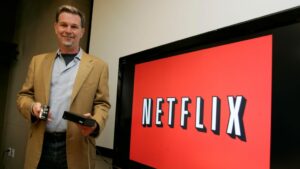 After a choppy quarter, executives say Netflix is staying laser-focused on enhancing its core product rather than shopping for M&A deals. “We’re a one-product company with a bunch of supporting elements that help that product give incredible satisfaction for consumers and a monetizing engine for investors,” Hastings said.