 If the unexpected success of Netflix’s Korean sensation “Squid Game” has taught the TV industry anything, it’s that the next breakout hit can come from anywhere at anytime. That’s given international producers more leverage than ever before, as global streaming services ramp up their commission and acquisition of scripted hits from around the world.
Source: In the Hunt for the Next ‘Squid Game,’ Industry Execs See ‘Unlimited Potential’

 “The movie business is dead, long live the movie business,” says Morgan Stanley in a deep new note from a number of its analysts looking at an industry that has “permanently changed” in the wake of a COVID-19 pandemic and a rush of technological and cultural developments.
 While many workers are happy an agreement has been reached, not all crew members are thrilled with the agreement for a new three-year contract. Even though the pact includes improved wages and working conditions, as well as a 10-hour turnaround time between shifts, they believe it doesn’t go far enough.
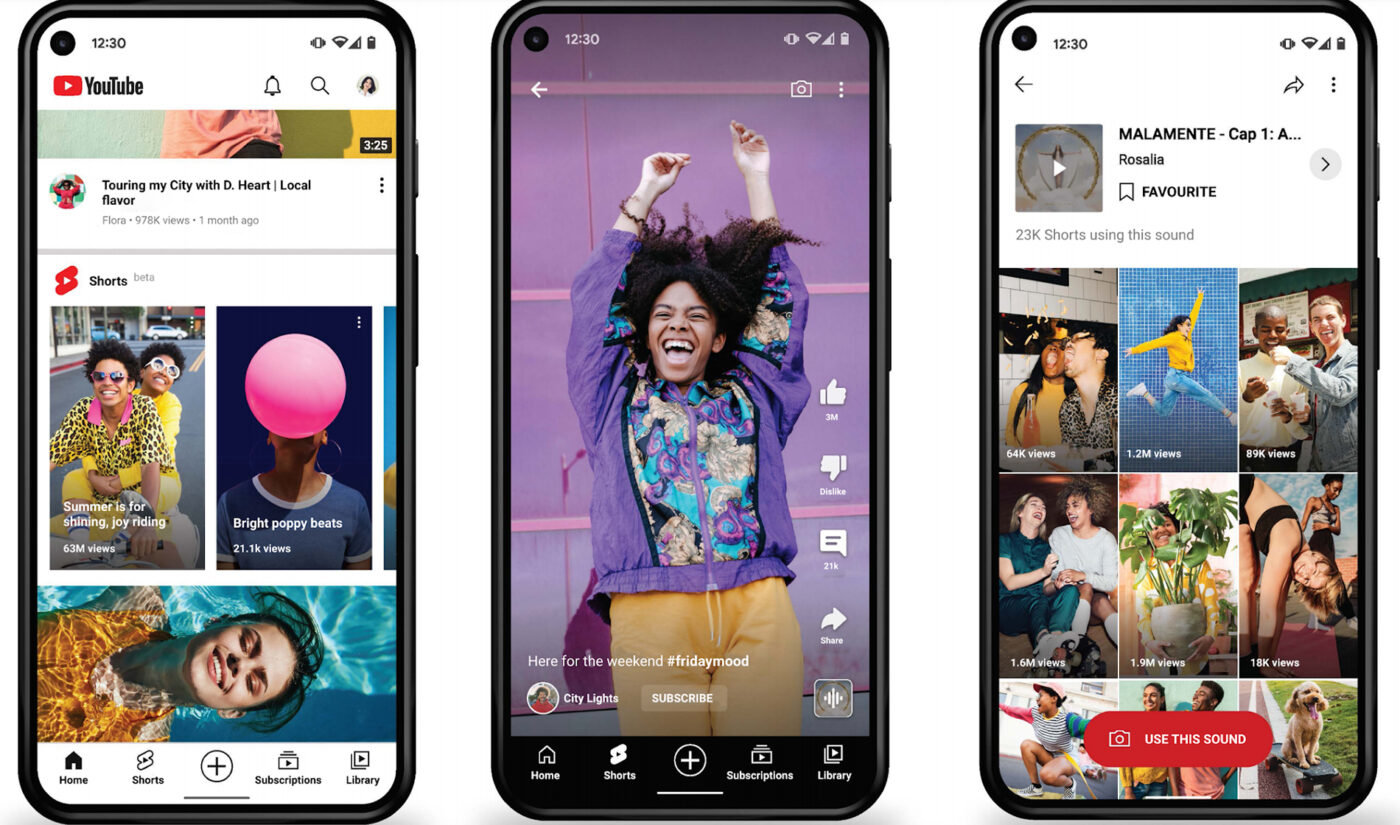
 The site has spent more than a decade building an in-house agency for digital superstars, drawing ad sales, sponsorships and other revenue. The YouTube team works closely with popular video makers at the forefront of the so-called creator economy, which includes millions of podcasters, newsletter writers and videogame streamers who are drawing ever larger amounts of money.
 “New York Times Audio” will offer listeners an accessible and authoritative way to understand the world, the company said today. It will draw from Times podcasts and Times articles, plus third-party sources, such as New York magazine and Rolling Stone, audio formats from the Times newsroom and more.
 Matthew Loeb, president of the International Alliance of Theatrical Stage Employees, said early Wednesday that unless an agreement is reached, 60,000 union members will begin a nationwide strike against the major studios on Oct. 18 at 12:01 a.m. Such a work stoppage would be catastrophic, halting production across the U.S.