
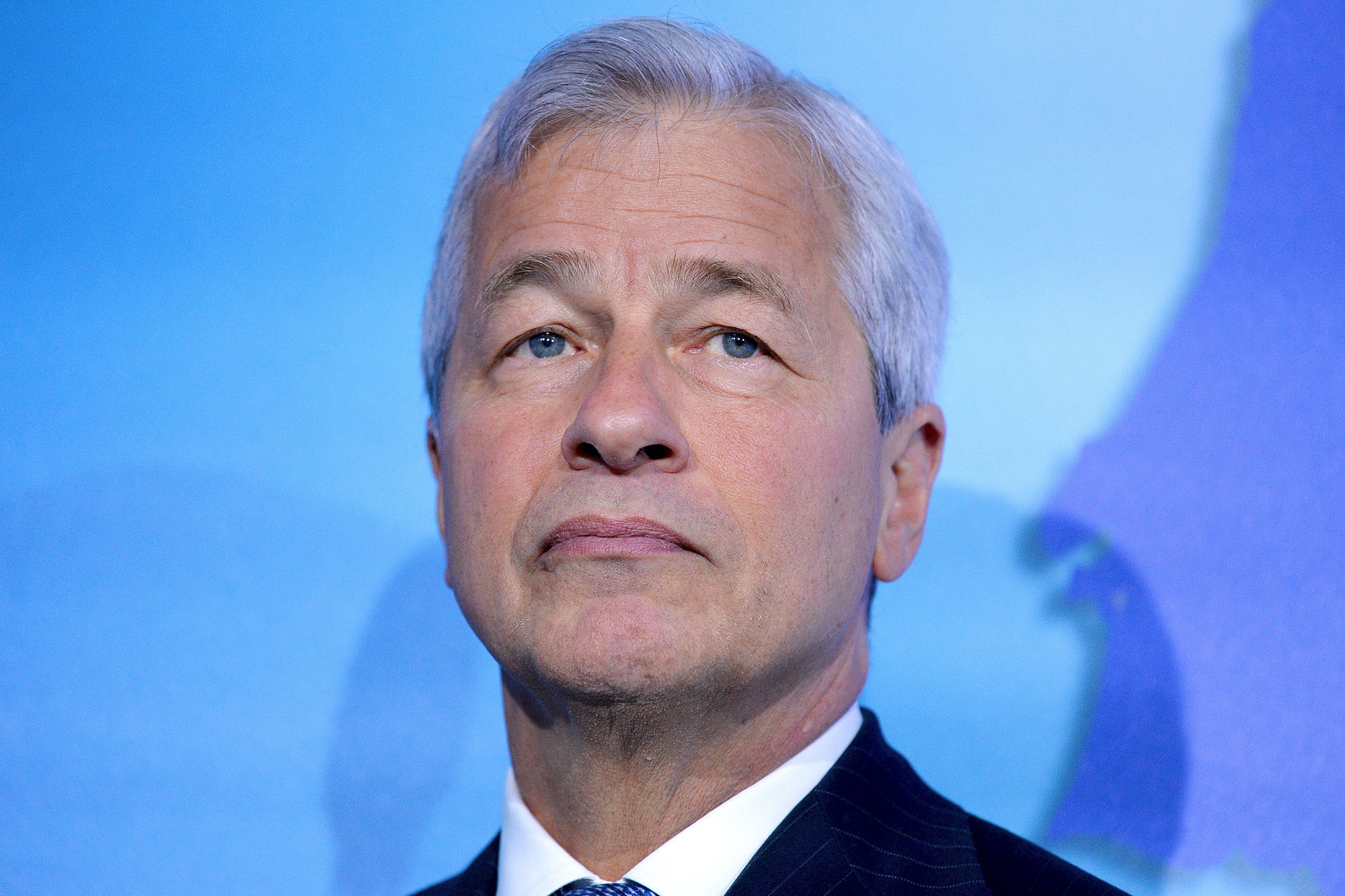
 Banking giant JPMorgan made a rare public apology on Friday, admitting that it regrets backing Europe’s doomed Super League of top-tier soccer teams, which has sparked a violent backlash from fans. “We clearly misjudged how this deal would be viewed by the wider football community and how it might impact them in the future,” a representative for the bank said.
Source: Super League backer JPMorgan admits it ‘misjudged’ reaction from fans

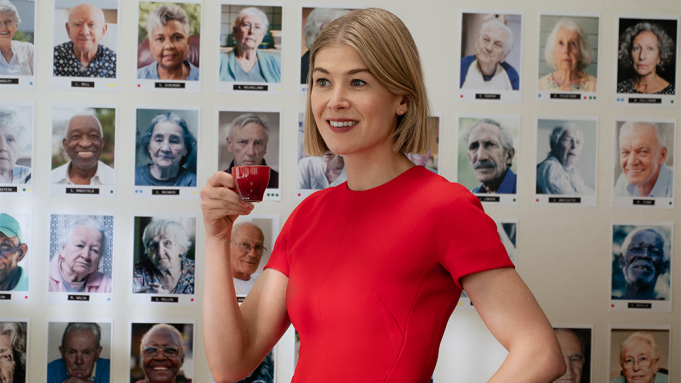
 Songtradr has confirmed the acquisition of Pretzel (aka Pretzel Rocks), a platform that supplies “stream safe” music to livestreamers on platforms such as Twitch and YouTube. Said livestreamers have to be very careful of playing licensed music via services such as Spotify when recording their videos. Doing so will likely result in a DCMA takedown of their content, or see it stung by YouTube’s Content ID.
 For Q1, the company reported a gain of 3.98 million in net global streaming subscribers. That was below its previous guidance of 6 million. Meanwhile, Netflix predicted even lower gains for the current quarter: It expects to add just 1 million members in Q2, with roughly zero growth in the U.S./Canada and Latin America regions. As of the end of March, Netflix had 207.4 million paid streaming customers worldwide, up 13.6%.

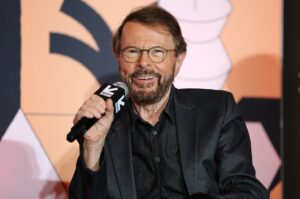 Rebalancing the Song Economy shows that we live in an era where the song fuels everything: whereas albums used to be the go-to consumption format, the dominant currency in streaming is individual songs; data shows that when people use a streaming platform such as Spotify, they search more for songs than they do for artists. That means songwriters are more important than ever – but, if you are a songwriter, the system is dysfunctional.
 Amazon spent a cool $11 billion on TV series, movies and music for Prime last year, an increase of 41% from $7.8 billion in 2019. The megabucks that the company is plowing into Prime Video and Amazon Music underscores Amazon’s goal of becoming the global digital entertainment leader.