 Apple Music’s payment rate for artists and labels is fundamentally a penny per stream, according to a letter from the company posted on its artist dashboard and first reported by the Wall Street Journal. That payment rate is higher than Spotify, which has a confusing variable rate scheme that basically tops out at a half-penny per stream.
Finance
Reservoir to list on the NASDAQ via SPAC merger with $788m valuation
 Reservoir has today (April 14) announced that it has signed a a definitive agreement for a business combination with Roth CH Acquisition Co. II. The business combination is expected to close in the third quarter of 2021. The result of the deal is that Reservoir – via the new combined company, Reservoir Media Inc – will go public on the NASDAQ under the ticker “RSVR.”
Source: Reservoir to list on the NASDAQ via SPAC merger with $788m valuation
‘Creators are starting to see the true value in retaining ownership of their work.’
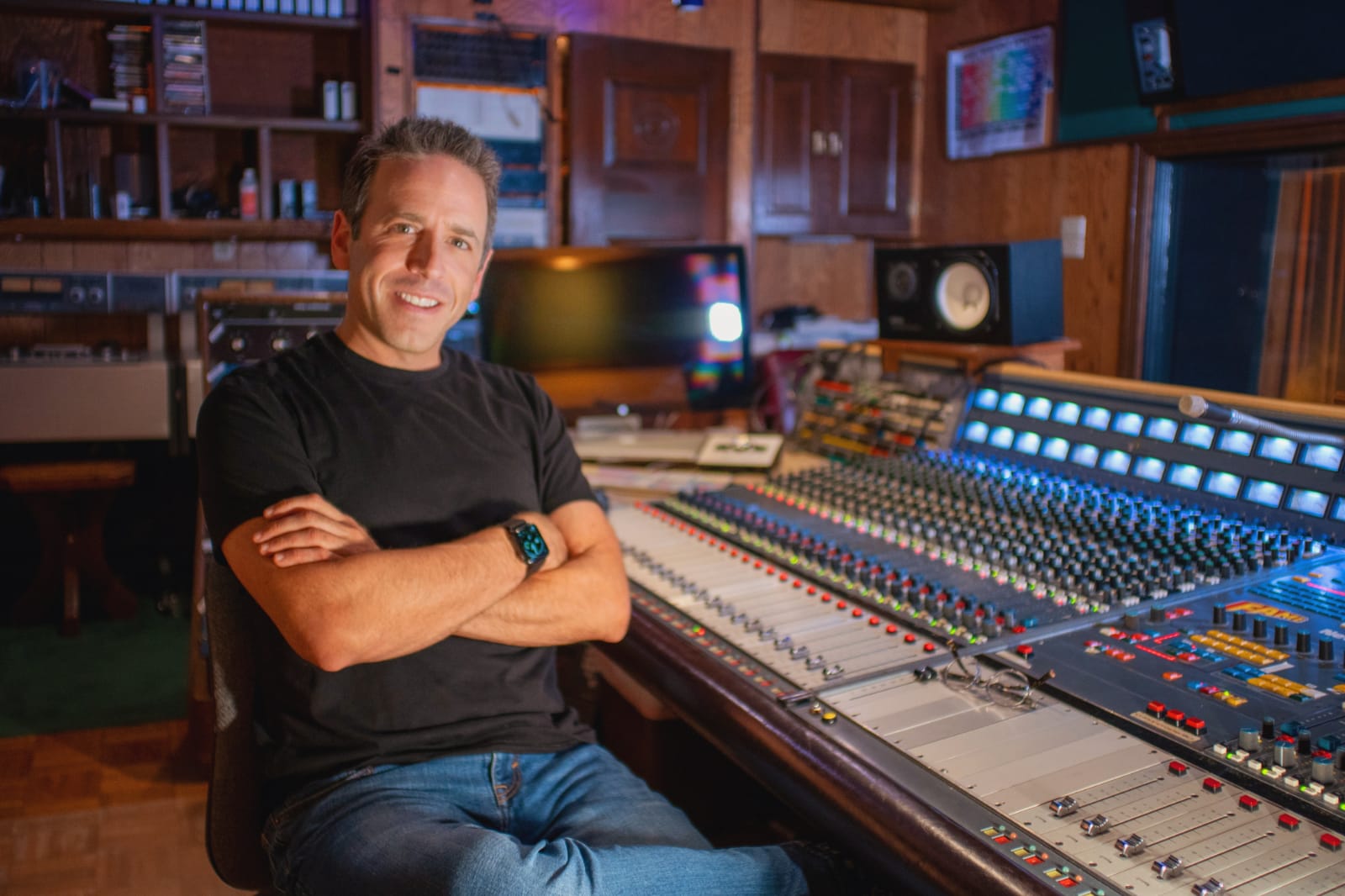 Sound Royalties, according to founder and CEO, Alex Heiche, is now “the largest private financial service company” in the music industry – with 50 full-time employees and continued global expansion on the horizon. Heiche can’t say how many advances the company has paid out so far, but does say that it works with hundreds of thousands of songs with thousands of individual streams.
Source: ‘Creators are starting to see the true value in retaining ownership of their work.’
Cooking Vinyl launches catalog division with ‘aggressive acquisition policy’
 Cooking Vinyl says the new department will demonstrate both “an increased focus on the long-term sales” of artists presently signed to the CV label, as well as “an aggressive acquisition policy to bolster the roster”. The new division will be headed up by catalog industry veteran Steve Bunyan.
Source: Cooking Vinyl launches catalog division with ‘aggressive acquisition policy’, headed by Steve Bunyan
Sony invests another $200 million in Epic Games
 Sony has just invested another $200 million in Epic Games as part of a $1 billion funding round, Epic announced today. Over a dozen investors contributed toward the funding round, which valued the Fortnite developer at $28.7 billion. That’s over $10 billion more than Epic Games’ estimated value at the time of Sony’s major investment last July.
The Major Label NFT Strategy Will Focus on Long-Term Revenue
 Instead of diving headfirst into the market, label execs still trying to understand how NFTs can become long-term revenue generators, given the challenges of marketing to paranoid cryptocurrency collectors who are generally skeptical of corporate vendors, while considering risk factors that range from environmental damage to unauthorized knockoffs that could diminish the value of label-sold goods. Says one label source: “We don’t want to make $1 million today at the expense of $100 million in a year.”
Source: The Major Label NFT Strategy Will Focus on Long-Term Revenue
BMG and KKR are ready to spend at least $1bn on music copyrights
 BMG boss Hartwig Masuch would like to make it clear that his company’s new industry-shaking pact with investment giant KKR – under which both sides will co-own acquired assets – has much more going for it than its spending power. Even so, after a sustained hiatus from buying music assets, BMG has its check-book out once again… and it’s ready to write down some colossal numbers.
Source: BMG and KKR are ready to spend $1bn on music copyrights – and that’s just for starters…
Why Are Musicians Still Leaving Royalties on the Table?
 Between recording new music, maintaining a digital presence, spearheading promotional efforts, and performing live, there are more professional obligations for artists today than at any other point in music history. Consequently, it’s difficult for creators to find time for each career consideration – and easy for them to neglect certain tasks while dedicating attention to other matters.
Source: Why Are Musicians Still Leaving Royalties on the Table?
Older Artists Are the Havens of Music Investing

NFTs: How Licensing Technology Furthers Art’s Revolution
 The art world is fueled by investors hunting for alternative stores of value – indeed, art is one of the most effective wealth preservers in the world. While this has historically been restricted to physical art, the introduction of enforceable ownership rights for digital art, as well as other online creations such as in-game items or audio clips, means these can now be purchased by investors.
Source: NFTs: How Licensing Technology Furthers Art’s Revolution | Kraken Blog