 TikTok isn’t just challenging YouTube for viewership—it’s taking traffic away from other Google services like Search and Maps. Prabhakar Raghavan is the senior vice president who runs Google’s Knowledge & Information division. “In our studies, something like almost 40% of young people, when they’re looking for a place for lunch, they don’t go to Google Maps or Search. They go to TikTok or Instagram.”
Data
Why Video Streaming’s Impact on Theater Attendance Is Overblown
 New data from Morning Consult shows a surprising number of consumers aren’t letting at-home film viewing eat into their trips to the movie theater. As of late June, roughly 3 in 10 respondents who made a premium video-on-demand transaction in the past month said they went to a movie theater at least once a week during that time period, a share far higher than among all U.S. adults and eclipsing that of consumers with access to any number of video streaming services.
Source: Why Video Streaming’s Impact on Theater Attendance Is Overblown
‘I Don’t Know How My Show Is Doing!’
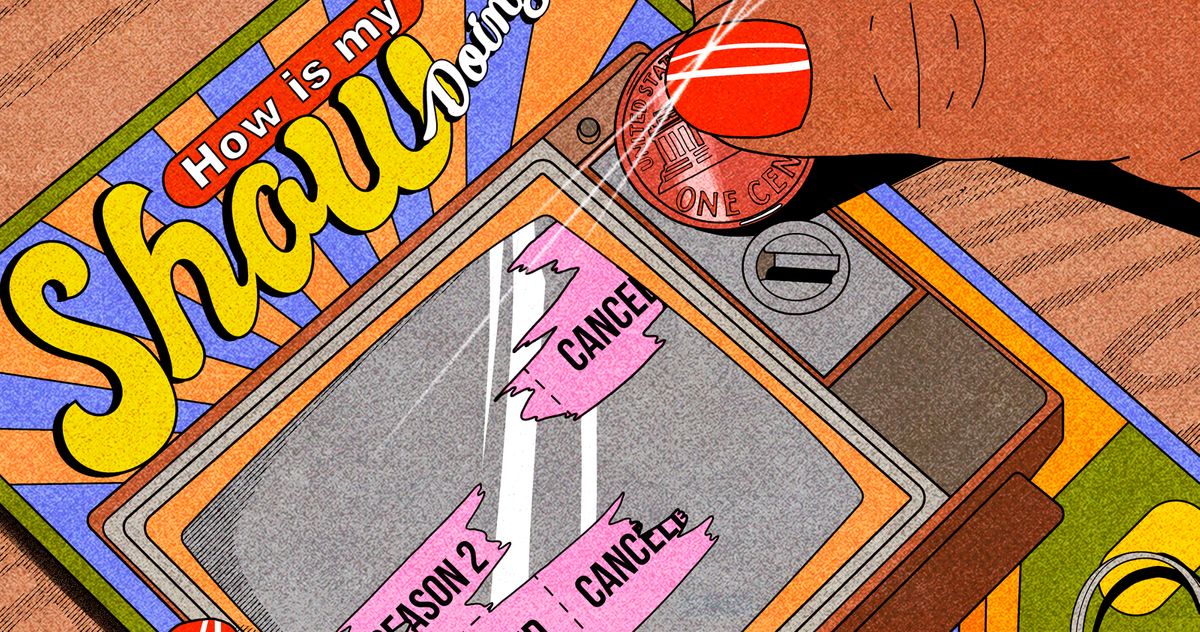 For decades, television creators had a pretty good way of finding out if their show was a hit: They could look at the Nielsen ratings, an imperfect, universal system for measuring viewership. Now that question is a lot more difficult to answer because, according to showrunners and producers, the platforms streaming their work share almost no data with them.
What Are Music Streaming Farms — And How Important Are They?
 Listening bots can stream songs around 1,000 times a minute. Spotify and other streaming platforms aren’t losing any money from the practice — the bots that stream the music still have to use their service through paid subscriptions or through a free account that generates ad revenue. But streaming farms do effectively steal money away from artists with legitimate streaming numbers.
Source: What Are Music Streaming Farms — And How Important Are They?
Jaxsta One Sheet, Official Music Resume, Artist EPK
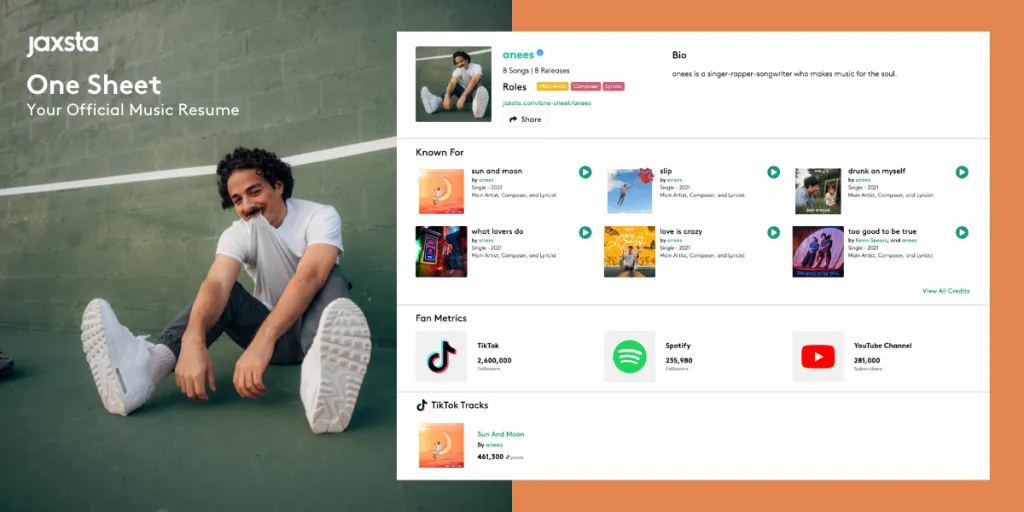
Whether you represent talent, or are promoting yourself, you need a great one sheet. Jaxsta’s latest feature takes the pain out of creating and maintaining one sheets by updating your official data automatically. Never miss an opportunity to be booked for gigs, media, brand partnerships, sync, collaborations and more!
Universal Music Group Launches UMusic Media Network Following Beta
 The Big Three record label, and specifically its Universal Music Group for Brands (UMGB) partnerships division, just recently announced the rollout of UMusic Media Network. This public launch arrives on the heels of a year-long beta, which execs say saw advertiser “content achieve millions of views from music fans globally, alongside artist content.”
Source: Universal Music Group Launches UMusic Media Network Following Beta
PPL: We have lagged behind other industries in identifying opportunities to collaborate.
 For a long time, every Collective Management Organisation (‘CMO’) having their own set of systems and databases was the norm. It was as if being totally self-sufficient was a badge of honour, rather than the result of a properly considered assessment of the economics and risks. To any rational observer, we have lagged behind other industries in identifying opportunities to collaborate and share back-end infrastructure, but things have been changing in recent years.
Source: ‘We have lagged behind other industries in identifying opportunities to collaborate.’
To Binge or Not to Binge; Can Data Answer the Question?
 People who binge a series tend to move onto the next show within a few weeks. Specifically, 71% of these types of searches happen within three weeks of a series premiere, compared with 43% of episodic searches and 56% of hybrid searches within the same time period.
Source: To Binge or Not to Binge; Can Data Answer the Question?
Mollinder: How royalty payment data impacts creators on a personal level
The ‘black box’ of music streaming is undeniably the biggest problem affecting the global music industry today, as royalty payments to the tune of roughly £500million each year fail to reach the correct creditors. The root cause of the issue is data mismanagement and, with 60,000 tracks added to DSPs such as Spotify each day, the black hole will only continue to grow unless the proper tools and education are made available to the next generation of music creators.
Source: How royalty payment data impacts creators on a personal level (Guest column) – Music Ally
CISAC reports global progress on metadata and plans wider access to ISWC music identifier
 The 2022 report highlights the Confederation’s diverse services including lobbying, development of best practices, technology, and the systems to support data exchanges, help identify works and pay royalties quickly and accurately. CISAC has reported “steady progress” for the extension of the ISWC music identifier and improvements in music data reporting. It follows a major upgrade to the system completed in 2020.
Source: CISAC reports global progress on metadata and plans wider access to ISWC music identifier