
 Google is trialing a digital watermark to spot images made by artificial intelligence (AI) in a bid to fight disinformation. Developed by DeepMind, Google’s AI arm, SynthID will identify images generated by machines. It works by embedding changes to individual pixels in images so watermarks are invisible to the human eye, but detectable by computers.
Technology
Generative AI and intellectual property (Analysis)
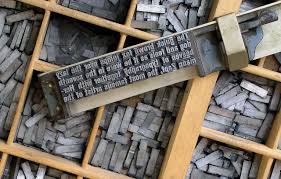 We’ve been talking about intellectual property in one way or another for at least the last five hundred years, and each new wave of technology or creativity leads to new kinds of arguments. We invented performance rights for composers and we decided that photography – ‘mechanical reproduction’ – could be protected as art, and in the 20th century we had to decide what to think about everything from recorded music to VHS to sampling.
Source: Generative AI and intellectual property — Benedict Evans
Hollywood shouldn’t entirely reject A.I.–it’s already delivering a new era of movie magic
 While recent developments in A.I.-powered chatbots have taken the Internet by storm, another Large Language Model (LLM) is quietly revolutionizing filmmaking. Generative diffusion models are unlocking powerful image creation and editing tools, enhancing the creativity of visual effects artists, and delivering a new era of movie magic.
Source: Hollywood shouldn’t entirely reject A.I.–it’s already delivering a new era of movie magic
Can news outlets build a “trustworthy” AI chatbot?
 A group of tech outlets is attempting to incorporate generative AI into its websites, though readers won’t find a machine’s byline anytime soon. On August 1st, an AI chatbot tool was added to Macworld, PCWorld, Tech Advisor, and TechHive, promising that readers can “get [their] tech questions answered by AI, based only on stories and reviews by our experts.” The AI chatbot, dubbed Smart Answers, appears across nearly all articles and on the homepages of the sites, which are owned by media / marketing company Foundry
Artificial intelligence program poised to shake up long-held Catholic doctrine
 Magisterium AI uses artificial intelligence technology to provide information for users on everything relating to Catholic doctrine, teachings and Canon law. Unlike other AI programs, which have access to vast swaths of ever-evolving data, the information used by Magisterium AI is limited to official church documents and is carefully curated.
Source: Artificial intelligence program poised to shake up long-held Catholic doctrine
YouTube Testing New Song Humming Search Feature on Android
 A new experimental YouTube feature reported by some users allows anyone to hum or record three or more seconds of a song to try and identify it. “If you’re in the experiment, you can toggle from YouTube voice search to the new song search feature, and hum or record the song you’re searching for 3+ seconds in order for the song to be identified,” an official support document for the new test reveals.
Source: YouTube Testing New Song Humming Search Feature on Android
Breaking Down The Future of Music and AI (Q&A)
 Here’s the thing, at the end of the day, the average music consumer–not everybody, you’ll still have your audiophiles and the sort of farm-to-table music people–but the average listener, they just don’t care how music is made. All they care about is the consumptive value of music. So if it slaps, it fucking slaps.
Source: Breaking Down The Future of Music and AI with Lawyer Ash Kernen
MidJourney Adds Image Inpainting—Game Changer or Catch-Up Play?
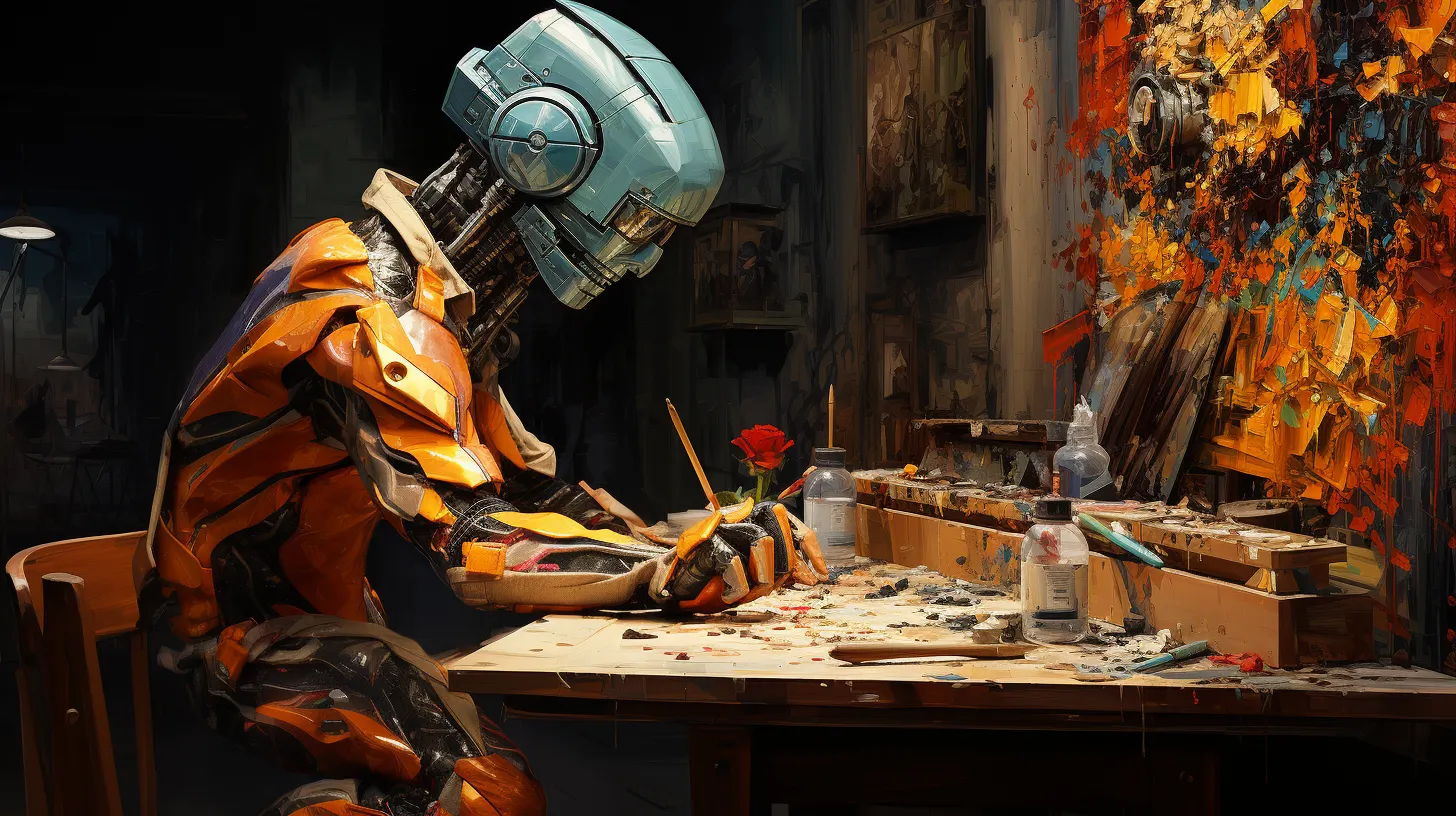 MidJourney, a prominent generative AI image creation tool with an annual subscription cost of around $100, has announced the release of its latest feature. Called “Vary (Region),” this new addition allows users to engage in inpainting—a process that edits elements within an image’s canvas. The Vary feature gives users the ability to select specific portions of an image and modify them using text prompts.
Source: MidJourney Adds Image Inpainting—Game Changer or Catch-Up Play? – Decrypt
After partnering with Lemonaide, BeatStars unveils AI music creation tool, ‘Seeds’
 According to BeatStars, the new “Seeds” tool is aimed at helping creators generate initial ideas, or “plant seeds” for their tracks. It builds on the technology introduced by Lemonaide, which claims that its AI is trained “exclusively on voluntarily contributed data from producers” to generate millions of different combinations.
Source: After partnering with AI music startup Lemonaide, BeatStars unveils AI music creation tool, ‘Seeds’
‘Embrace it or risk obsolescence’: how will AI jobs affect Hollywood?
 Hollywood’s quiet AI hiring spree, first reported by the Hollywood Reporter and the Los Angeles Times, is not necessarily tied directly to AI-generated scripts or actors’ likenesses, nor are all the positions related to generative AI, the subject of much ethical debate and concern. But taken together, the push to expand AI employment indicates an industry-wide arms race to build up companies’ machine learning capabilities, cutting across many aspects of the business.
Source: ‘Embrace it or risk obsolescence’: how will AI jobs affect Hollywood?