Technology

Can AI Save Us from Crashing into Contemporary Art’s Dead End?

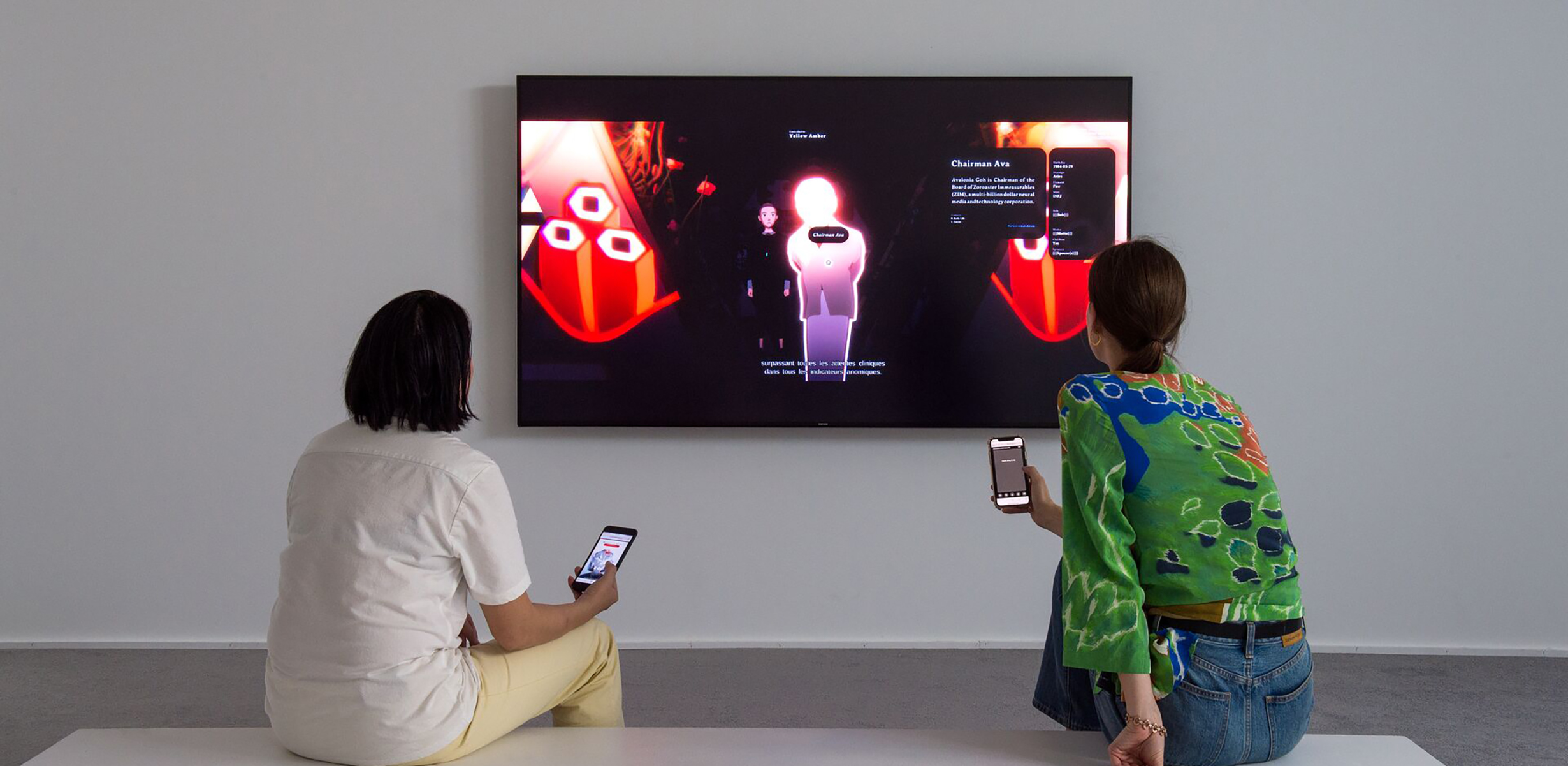
Thanks to algorithmic playlists and the increased push towards always-on background sounds (lo-fi beats to study to, etc), music nowadays matters less, reducing to ‘vibe’ – for which musicians in turn are catering – and increasingly amorphous as genres meld into the so-called monogenre. For orientation purposes concerning new art, I’d probably be better off getting into gaming.

Source: Can AI Save Us from Crashing into Contemporary Art’s Dead End?

CryptoPunk Owners Have New Way to Make Money: Renting Out Their Avatars 

A non-fungible token (NFT) rentals protocol called reNFT launched on the Ethereum mainnet recently, allowing users to “rent out” assets like CryptoPunks. While interesting on a conceptual level, the new service has stirred a key question which strikes at the heart of the NFT sector: Why not just copy and paste?

Source: CryptoPunk Owners Have New Way to Make Money: Renting Out Their Avatars – Decrypt

Australian court finds AI systems can be recognized under patent law

An artificial intelligence system is capable of being an “inventor” under Australian patent law, the federal court has ruled, in a decision that could have wider intellectual property implications. The applications claimed Dabus, which is made up of artificial neural networks, invented an emergency warning light and a type of food container, among other inventions.
Source: I’m sorry Dave I’m afraid I invented that: Australian court finds AI systems can be recognised under patent law

Blockchain Is Democratising Art for Everyone 

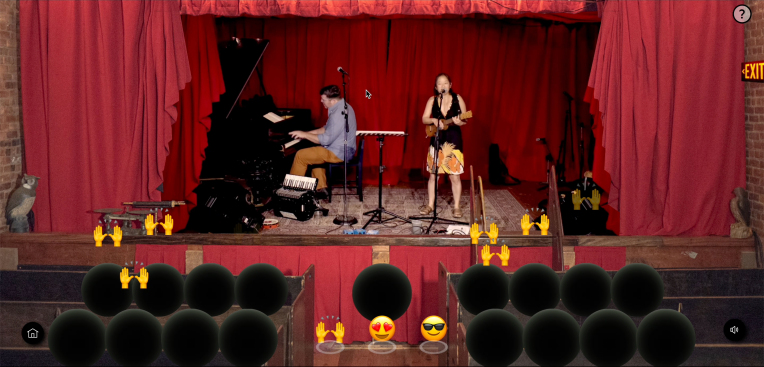
An NFT is a unit of data that certifies a digital asset to be unique and can be traced to help prevent fraud. That’s something appealing to artists, who are always concerned about fakes, copies, and plagiarism. But the main appeal is the end of the galleries as the sole gatekeepers of who gets to access the fame and money of the artists’ Olympus.
Source: Blockchain Is Democratising Art for Everyone | The Fintech Times

ASCAP Lab highlights a quartet of early-stage music startups

Music rights giant ASCAP said today that a quartet of early-stage startups/university music projects will compete in its Immersive Music Studio Challenge. The cohort aims to tackle wide-ranging music industry issues. Some have already laid out commercialization plans, while others came together for the program and haven’t thought that far down the road.

Source: ASCAP Lab highlights a quartet of early-stage music startups

Biden to nominate Google critic Jonathan Kanter to lead DOJ antitrust division

Kanter is just the latest Biden nomination marking a significant step forward in antitrust enforcement, especially in the tech industry. Earlier this year, Biden nominated Lina Khan, a tech antitrust pioneer and author of the widely cited “Amazon’s Antitrust Paradox” legal paper, to chair the Federal Trade Commission. Tim Wu, another progressive antitrust champion, currently sits on the National Economic Council.

Source: Biden to nominate Google critic Jonathan Kanter to lead DOJ antitrust division

Two Rabbis Are NFT’ing the Torah, the ‘Original Blockchain’ 

Two tech-savvy rabbis, Jonathan Caras in Jerusalem and Mordechai Lightstone in Brooklyn, are turning the Torah into NFTs. The “NFTorah” project began with a series of commissioned artworks, each representing a portion (or chapter) of the sacred Jewish text, that went on sale on OpenSea earlier this month.

Source: Two Rabbis Are NFT’ing the Torah, the ‘Original Blockchain’ – Decrypt

Inside MyPart’s vision for artificial intelligence and songwriting

The MyPart platform is a set of ‘supertools’ for both A&R, sync and other creative executives on one end, and independent songwriters and artists on the other. As well as enabling song searching and matching via the SongMine function, it allows creators to pitch songs. MyPart’s AI will create matches to ensure A&R and other creative execs are not sifting through unsuitable submissions.

Source: Inside MyPart’s vision for artificial intelligence and songwriting

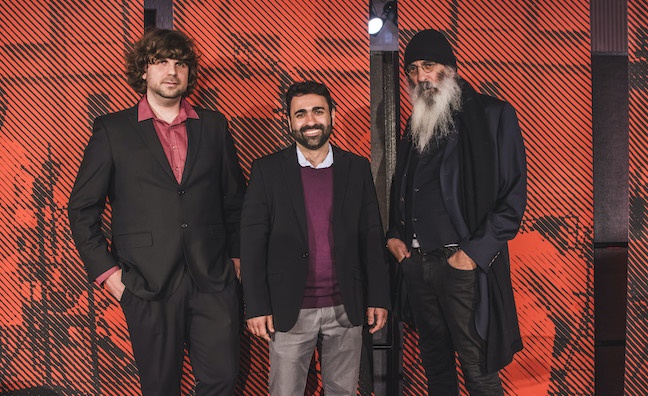
Could this technology, built by a Grammy-winning producer, blow up music’s ‘black box’?

SonicData’s SonicKey enables all recordings in the world to be identifiable via a unique tracking code implanted via audio watermarking. The company makes the bold claim that it’s “the world’s first 100 percent accurate, completely inaudible music identification technology.” Simon Gogerly, who won a Grammy for his work with U2, is the creator of the core tech behind SonicKey.

Source: Could this technology, built by a Grammy-winning producer, blow up music’s ‘black box’ once and for all?

Get the latest RightsTech news and analysis delivered directly in your inbox every week
We respect your privacy.