
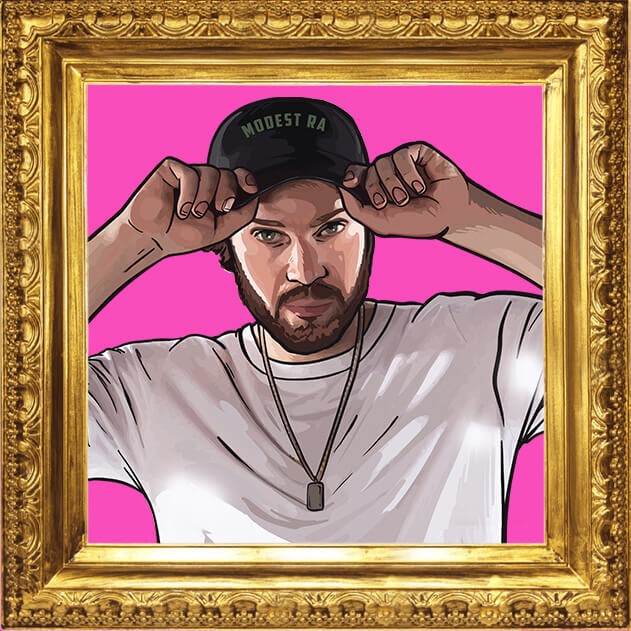
 Musicians are finding ways to uncover hidden value in the NFT space. This is a huge win for both the artists and fanbase, with recent examples set by A Tribe called Quest’s and their sale of 5% of royalties from their complete album catalog to fans, or with Torey Lanez recent NFT digital album release direct to fans selling out 1 million digital units in less than one minute.
Source: Musicians Are Shaking Up The Industry With Sales Of NFT Royalties
 iHeart plans to create iHeart events and experiences on Roblox and is also committing to launch what it calls “tokenized communities for its users and creators” by “building a new token that will incentivize and reward the iHeart creator community in new ways.” iHeart also says that this token will give “fans unique access to offerings across its multiple platforms.”
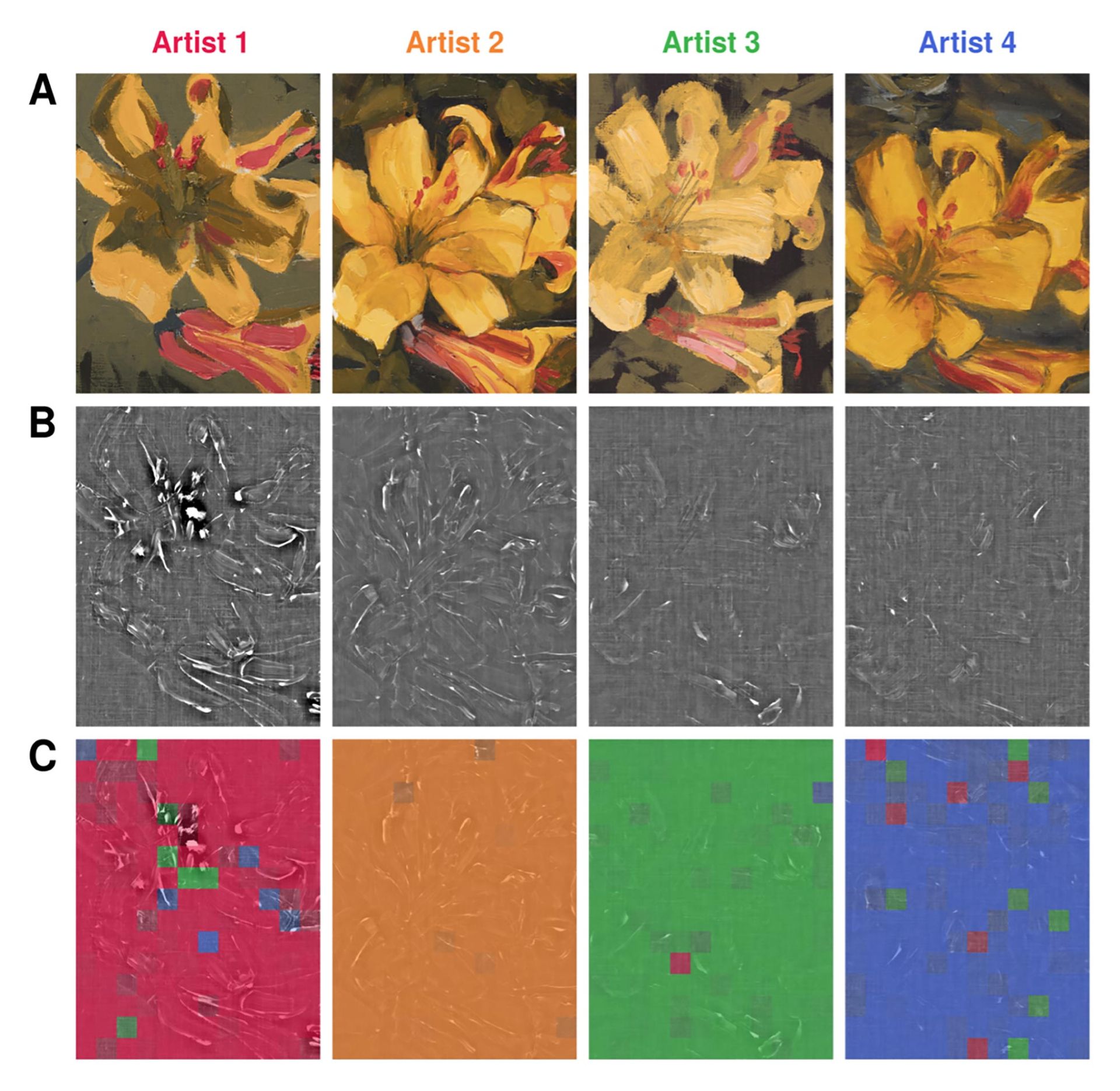
 Known as “AI-generative NFTs,” these nonfungible tokens are becoming increasingly popular within the art community, along with those interested in emerging technologies like artificial intelligence, blockchain and the Metaverse. In order to create AI-generative NFTs, one would typically use generative adversarial networks, or GANs. These are algorithms that leverage computers to use data to train models to produce machine-made images resembling art.


 YouTube has made massive strides towards solving millions of copyright claims that plague its platform. The automated Content ID system is by no means perfect but does provide a way for rightsholders and alleged infringers to amicably settle their differences. What it doesn’t have is the human ability to spot opportunities for cooperation and innovation. Sadly, humans can struggle with that too.
