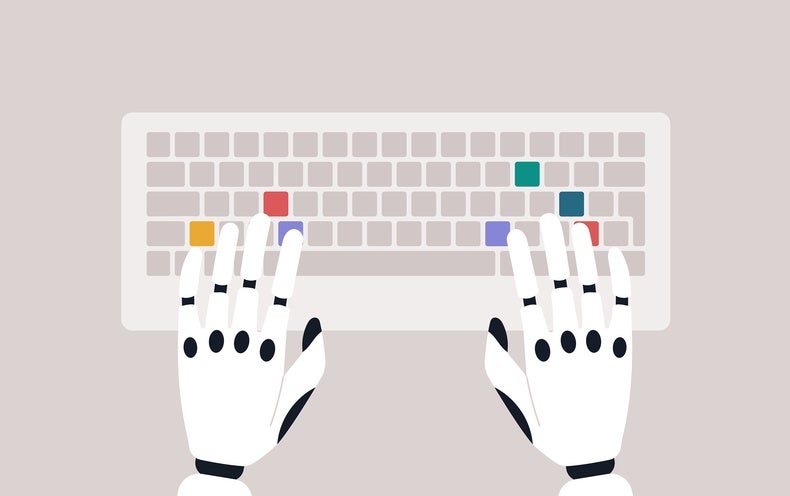
 At first glance, ChatGPT may seem like any other chatbot or language model. However, its ability to generate human-like text and respond to a wide range of topics with high levels of fluency and coherence sets it apart from other language models. This level of sophistication raises concerns about the potential for ChatGPT to be used for nefarious purposes, such as impersonating individuals or spreading misinformation. Given these concerns, it’s important that ChatGPT be subject to some form of regulation.
Source: ChatGPT Explains Why AIs like ChatGPT Should Be Regulated

 The U.S. Copyright Office has completed its public consultations on the use of technical measures to identify and protect copyrighted content online. The inquiries triggered responses from a wide variety of stakeholders, both for and against tools such as ‘upload filters’. The Office cautions lawmakers against drastic decisions and sees more benefit in small tweaks and voluntary agreements.



 Artificial intelligence (AI) has made great strides in recent years, and one area where it is beginning to have an impact is music. Of all the AI music trends that might spook artists, it’s the sight of music streaming services exploring this technology. Actually, this has been happening for a while now, quietly. Spotify, for example, hired one of the key experts in AI music, François Pachet, back in 2017 to run an internal lab building music-making tools.