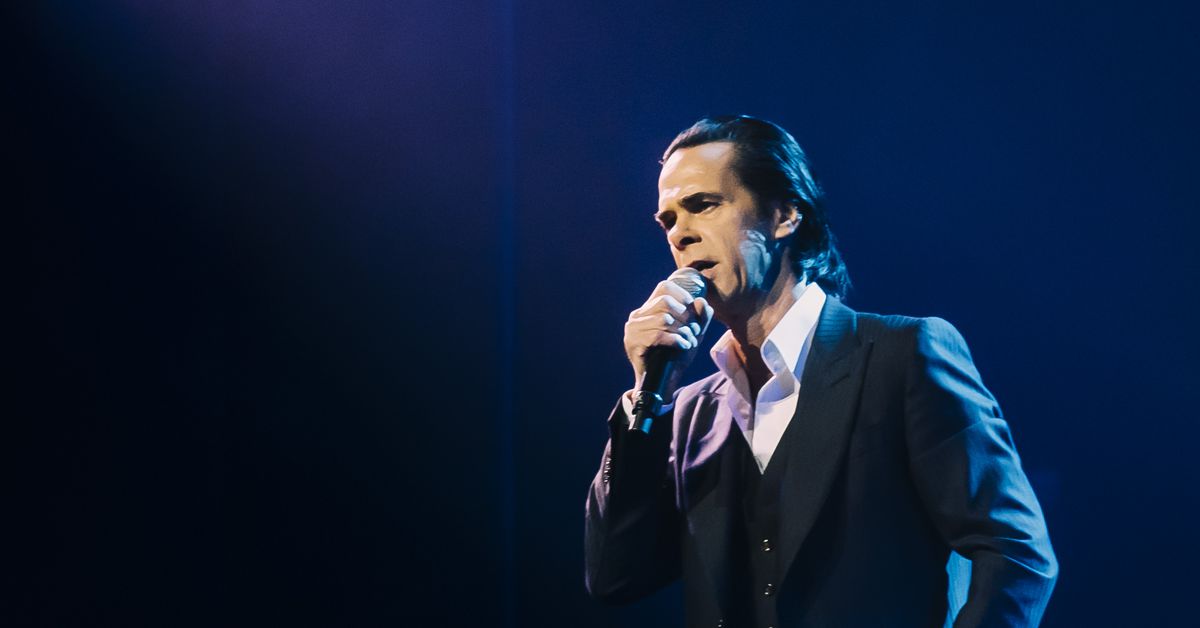
 Nick Cave isn’t too impressed with ChatGPT’s capacity for music. On his personal blog, the singer-songwriter gave a withering rebuke to a set of lyrics written by the AI chatbot “in the style of” Nick Cave. “What ChatGPT is, in this instance, is replication as travesty,” writes Cave. “ChatGPT may be able to write a speech or an essay or a sermon or an obituary but it cannot create a genuine song.”
Source: Nick Cave says imitation ChatGPT song is ‘a grotesque mockery of what it is to be human’
 A trio of artists have launched a lawsuit against Stability AI and Midjourney, creators of AI art generators Stable Diffusion and Midjourney, and artist portfolio platform DeviantArt, which recently created its own AI art generator, DreamUp. The artists — Sarah Andersen, Kelly McKernan, and Karla Ortiz — allege that these organizations have infringed the rights of “millions of artists” by training their AI tools on five billion images scraped from the web “without the consent of the original artists.”
 The Smithsonian’s National Museum of American History will embark this fall on a new round of sound recovery to restore some of the world’s earliest recordings. Made possible with public-private funding through an initial grant from the Save America’s Treasures program, the work will focus on hundreds of records created by Alexander Graham Bell and his colleagues at Volta Laboratory in Washington, D.C., and at Bell’s property in Baddeck, Nova Scotia, between 1881 and 1892.

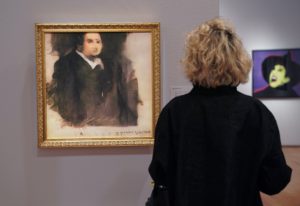 A recent viral moment highlights just how nervous the artist community is about artificial intelligence (AI). The fear among those who shared the tweet was simple: That Photoshop, and other Adobe products, are tracking artists that use their apps to see how they work—in essence, stealing the processes and actions that graphic designers have developed over decades of work to mine for its own automated systems.
