Technology

UK Supreme Court hears landmark patent case over AI ‘inventor’ 

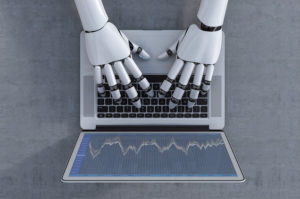
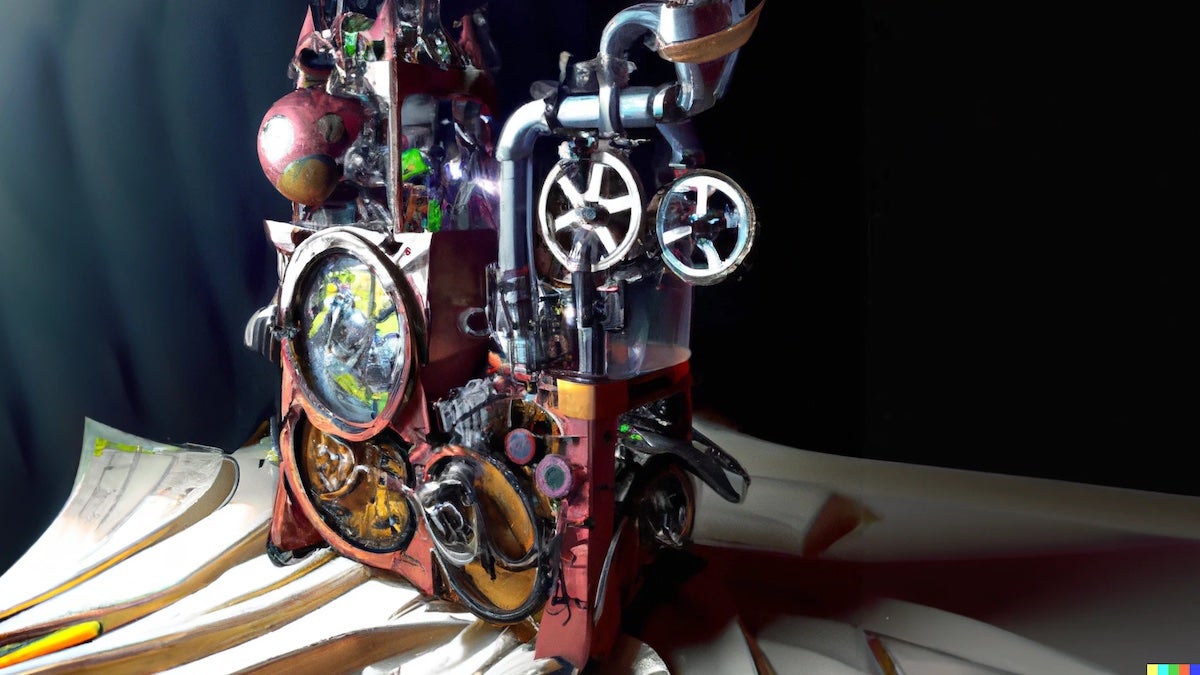
An American computer scientist on Thursday urged the United Kingdom’s Supreme Court to rule he is entitled to patents over inventions created by his artificial intelligence system, in a landmark case about whether AI can own patent rights. Stephen Thaler wants to be granted two patents in the UK over inventions he says were devised by his “creativity machine” called DABUS.

Source: UK Supreme Court hears landmark patent case over AI ‘inventor’
Creative AI’s next big discussion: art, plagiarism, and copyright

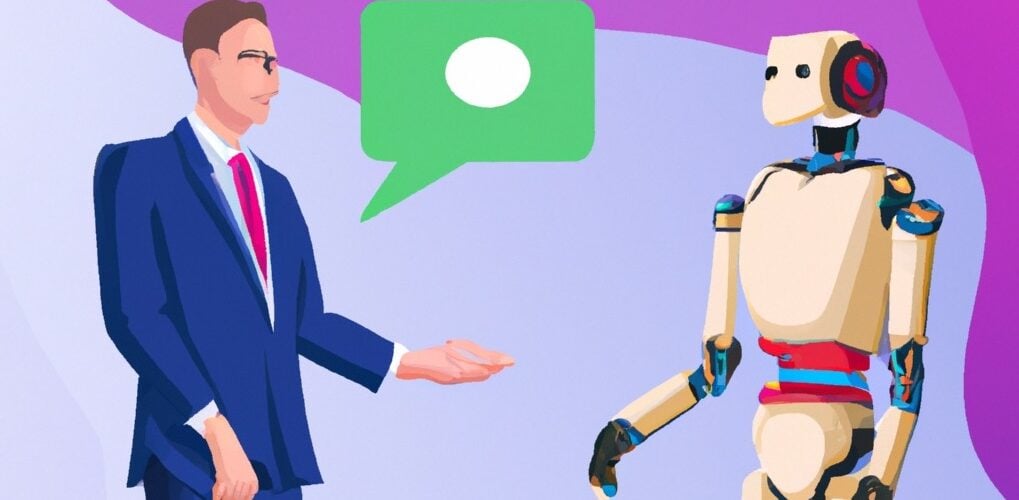
There are understandable reasons for musicians to hold back from using creative AIs themselves until there is more clarity on which services have gone about their businesses in the right or wrong way, and how they are working with the creators in the longer term. “AI technology is based on machine learning, and it is inevitable that some of the data that has been fed into it in the past might have been copyright-protected or used without the permission from its creators,” says Dr Sam De Silva.

Source: Creative AI’s next big discussion: art, plagiarism, and copyright – Music Ally

German publisher Axel Springer says journalists could be replaced by AI

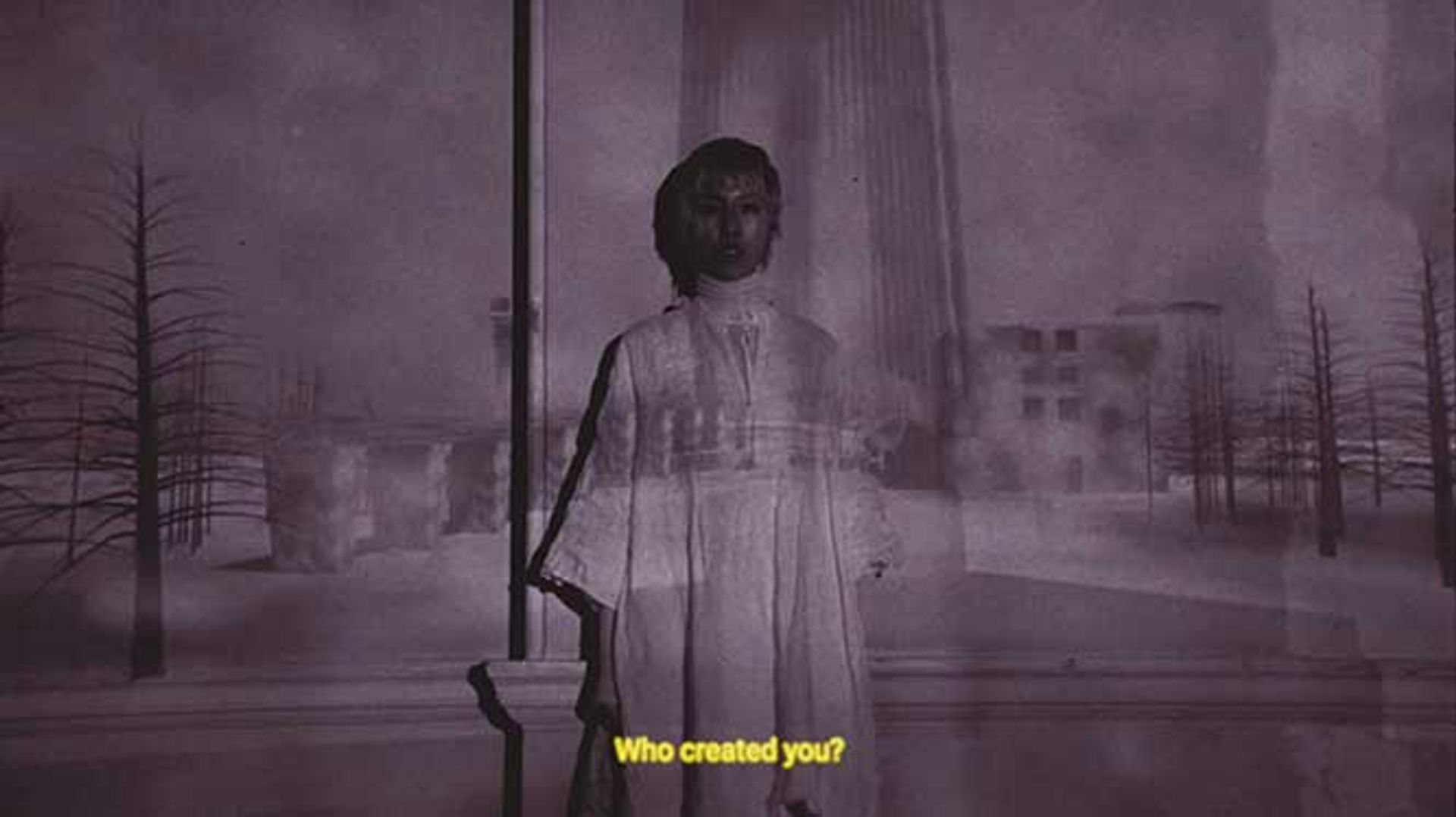
Journalists are at risk of being replaced by artificial intelligence systems like ChatGPT, the CEO of German media group Axel Springer has said. The announcement was made as the publisher sought to boost revenue at German newspapers Bild and Die Welt and transition to becoming a “purely digital media company.” It said job cuts lay ahead, because automation and AI were increasingly making many of the jobs that supported the production of their journalism redundant.
Source: German publisher Axel Springer says journalists could be replaced by AI

AI art ‘will become the new normal’

Artists in the field stress that AI is prompting a paradigm shift. Jon Rafman says: “I have been using AI in one form or another since I began making art on computers in the 1990s. I only truly started using image-generating AI tools around 2020. But the levels of sophistication of the AI algorithms have developed so rapidly that it feels like I have moved from using a 3000-year-old ancient lyre to a Stradivarius violin in two short years.”

Source: AI art will become the new normal

Active learning is the future of generative AI

The majority of companies developing the application-layer AI that’s driving the widespread adoption of the technology still rely on supervised learning, using large swaths of labeled training data. Despite the impressive feats of foundation models, we’re still in the early days of the AI revolution and numerous bottlenecks are holding back the proliferation of application-layer AI.

Source: Active learning is the future of generative AI: Here’s how to leverage it

Why Artificial Intelligence Will Improve the Existence of Art

New artificial intelligence is able to mock contemporary art quicker than a critic with a paintbrush. Once it realizes the ability of DALL-E to replicate art, the industry will not be able to hide behind mere abstracted meaning, forcing artists to look to push themselves stylistically. Frankly, after decades of remorse and controversy over contemporary art, AI art may be the push the art world needs to steer artists toward new sights that DALL-E can not replicate.

Source: Tran: Why Artificial Intelligence Will Improve the Existence of Art

AI-generated fiction is flooding literary magazines — but not fooling anyone

A short story titled “The Last Hope” first hit Sheila Williams’ desk in early January. Williams, the editor of Asimov’s Science Fiction magazine, reviewed the story and passed on it. At first, she didn’t think much of it; she reads and responds to writers daily as part of her job, receiving anywhere from 700 to 750 stories a month. But when another story, also titled “The Last Hope,” came in a couple weeks later by a writer with a different name, Williams became suspicious.

.

Source: AI-generated fiction is flooding literary magazines — but not fooling anyone

Lore Machine Wants to Use AI to Unlock the Value in Hollywood’s Vaults 

L.A.-based Lore Machine, from the mind of founder Thobey Campion who previously served as head of publishing at Vice Media, is a generative AI company that converts textual IP into a library of multimedia assets that it calls “generative storyscapes.” The relevant text-based ingredient is the treasure trove of scripts, lyrics and novels that, in Campion’s words, are “collecting dust inside the film studios, record labels and publishing houses of the world.”

Source: Lore Machine Wants to Use AI to Unlock the Value in Hollywood’s Vaults | PRO Insight

Legendary Sci-Fi Magazine Halts Submissions Amid Deluge of AI-Written Stories

Popular science fiction publication Clarkesworld Magazine announced on Monday that it had closed all submissions after being inundated with AI-generated short stories. The announcement followed a blog post that Clarkesworld editor Neil Clarke wrote last Wednesday called “A Concerning Trend.” Clarke wrote that since the pandemic, the magazine had been receiving an increase in spam submissions, with resulting bans now being at an all-time high as a result of the uptake of AI chatbots like ChatGP.

Source: Legendary Sci-Fi Magazine Halts Submissions Amid Deluge of AI-Written Stories

ChatGPT launches boom in AI-written e-books on Amazon

There were over 200 e-books in Amazon’s Kindle store as of mid-February listing ChatGPT as an author or co-author, including “How to Write and Create Content Using ChatGPT,” “The Power of Homework” and poetry collection “Echoes of the Universe.” And the number is rising daily. There is even a new sub-genre on Amazon: Books about using ChatGPT, written entirely by ChatGPT.

Source: ChatGPT launches boom in AI-written e-books on Amazon

Get the latest RightsTech news and analysis delivered directly in your inbox every week
We respect your privacy.