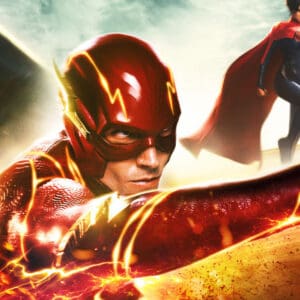
 The bumpy road of the scarlet speedster’s journey to a solo film has finally reached its destination to home video. The superhero movie is now made available to be rented and purchased on digital, and in an effort to raise a bit more of a profit out of it, Warner Bros. announced last week that the movie is available on “the blockchain” as an NFT. This means you can view the film on the blockchain service Eluvio.
Source: The Flash is now available on digital as an NFT, plus the CGI scenes go viral on Twitter
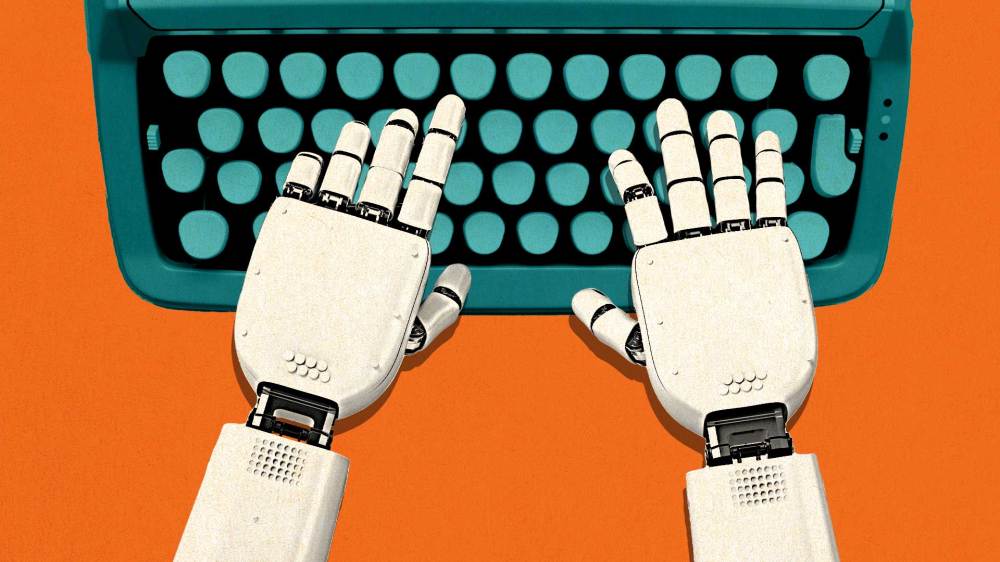
 Thousands of writers including Nora Roberts, Viet Thanh Nguyen, Michael Chabon and Margaret Atwood have signed a letter asking artificial intelligence companies like OpenAI and Meta to stop using their work without permission or compensation. It’s the latest in a volley of counter-offensives the literary world has launched in recent weeks against AI. But protecting writers from the negative impacts of these technologies is not an easy proposition.
 At the heart of the rebellions is a newfound understanding that online information — stories, artwork, news articles, message board posts and photos — may have significant untapped value. “What’s happening here is a fundamental realignment of the value of data,” said Brandon Duderstadt, the founder and chief executive of Nomic, an A.I. company.
 What makes generative AI more disruptive than previous technologies? One factor is certainly the exceptionally rapid pace at which generative AI technologies have been launched, adopted, and adapted. Evolution in the fields of law and policy, by contrast and of necessity, is much slower. It is, moreover, not easy to assess how to calibrate balances among competing copyright interests in the early stages of newtechnology evolutions.