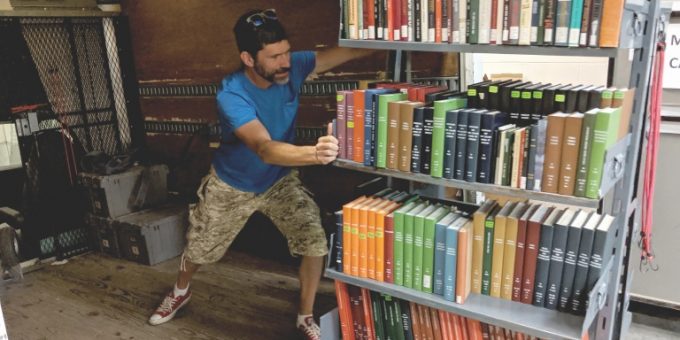
 In March, Indiana University had to close its physical libraries and stop material circulation in response to the pandemic. This created a new opportunity for the HathiTrust Digital Library. Its Emergency Temporary Access Service, or ETAS, permits special full-text access for member libraries that suffer an unexpected or involuntary temporary disruption to print collection circulation.
Source: Preparation Pays Off: Universities Offer Expanded Access To HathiTrust Digital Library
 News organizations have long hoped that tech platforms would pay them for news. Now regulators abroad are moving to make that happen. A report by Australian regulators left little doubt about what they see as the cause of local journalism’s demise — the near monopolistic power of Google and Facebook. And it has set off a chain of events that could shift the balance of power between big tech and the news at a dire moment for journalism.


 In a recent Bookseller article, agent Peter Cox of Redhammer Management, stated that “the Corona virus might be the death knell of the physical book fair.” He went on to say that for years it hasn’t been necessary to “do the face-to-face.” Robert Gottlieb, chairman of the Trident Media Group, countered by saying that “the fair plays a central role in the rights business for us from hand selling to personal relationships, which we value and depend on when managing our clients careers.”
 The National People’s Congress of the People’s Republic of China has recently released Copyright Law of the People’s Republic of China for comment. Of particular is the availability of punitive damages of up to five times actual damages. The draft also includes provisions for DRM. Renumbered articles 47 – 50 authorize the use of DRM for copyrighted materials and prohibits other from circumventing DRM or providing others with the tools to do so.