 Already a fast-growing sector pre-pandemic, the virtual health and fitness business has soared during quarantine, with Wellness app installs reaching 1.2 billion in 2020 alone. The growth of this space has also created a significant opportunity for music rightsholders, with music’s role in the remote fitness business becoming so central that instructors are now being compared with the likes of “influencers and DJs”.
Source: How Tuned Global is helping fitness brands integrate licensed music into their virtual classes

 Sony’s NetEase deal is the latest to shift power away from TME in China’s streaming industry and make the space slightly more competitive. It comes amidst a government antitrust probe of TME and its parent company Tencent Group. TME announced its quarterly results on Monday and acknowledged that regulators are taking a growing interest in its business.
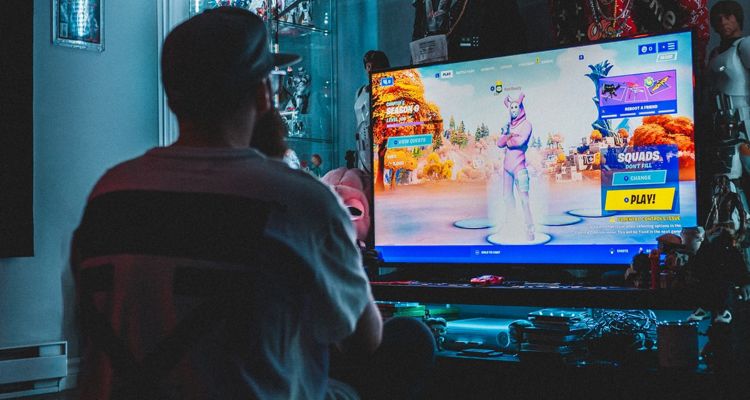
 New research published by the European Union Intellectual Property Office shows that social media networks are regularly used by pirates. An analysis of millions of conversations estimates that 35% of all digital content discussions “could be possibly related to piracy.” Interestingly, not all content niches prefer the same social media platforms.
 Red Hot Chili Peppers and Kid Creole and the Coconuts have become the latest artists to cash in on their catalogue of hits, selling the rights to songs including Californication and Annie I’m Not Your Daddy to London-listed music royalties investment firms. The Chili Peppers are poised to sell their publishing rights to London-listed music investment firm Hipgnosis, reportedly for more than $140m (£101m).
 SAMR’s investigation partly focuses on Tencent Music Entertainment Group which was spun off and listed in the United States in late 2018, two of the people and an additional two sources close to the business said. The regulator has informed Tencent that it should expect a fine, give up exclusive music rights, and may even be forced to sell the acquired Kuwo and Kugou music apps, said the people.
 BMG says that it is speeding up payments to more than 20,000 US and UK songwriters on old contracts. The company says the move is “part of [our] program to ensure established clients are not left behind by changes in the industry”. It will see songwriters paid within 60 days of the close of a royalty period rather than the 90 days specified in their contracts.