
 IFPI, together with other rights holders in Europe’s creative sectors, have written to the European Commission over concerns that the Guidance on Article 17 of the new Copyright Directive has moved away from the original objective of the Article.
Rights
NFTs and me: meet the people trying to sell their memes for millions
 Once, people who owned viral photos made little money from them. Now, the ‘original’ can potentially sell for an enormous sum. But are buyers savvy investors – or unwitting dupes?
Source: NFTs and me: meet the people trying to sell their memes for millions
BMG inks licensing deal with gaming platform Roblox
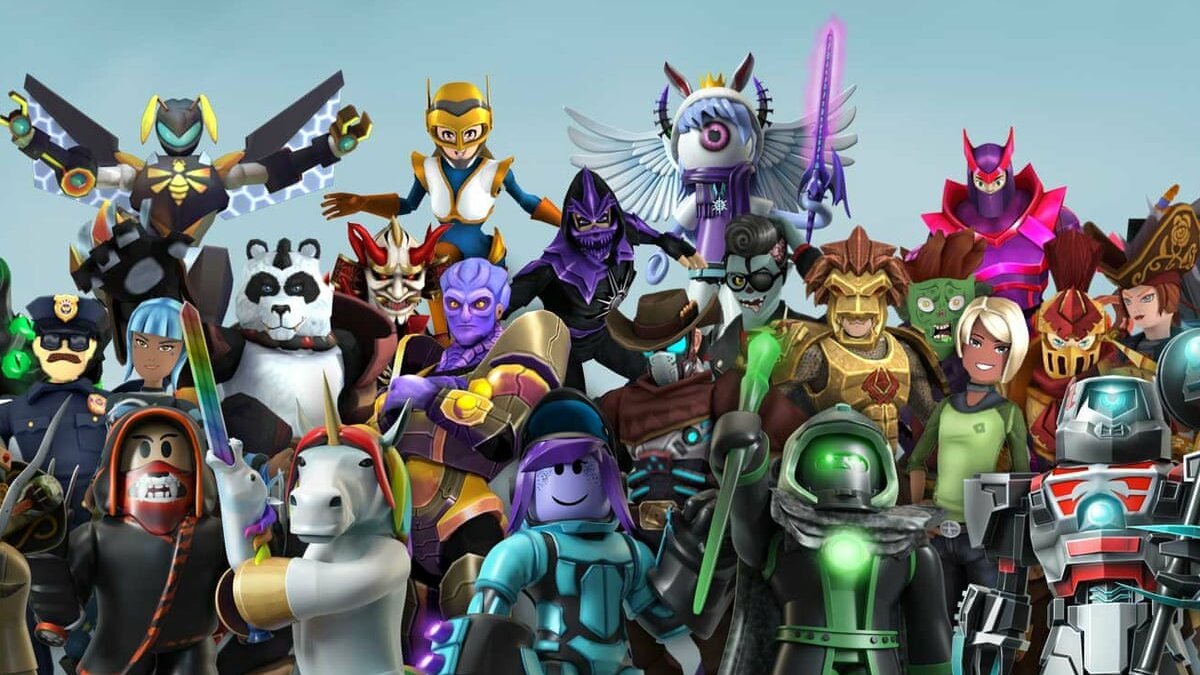 BMG has signed what it describes as a “strategic agreement” with Roblox to “develop new opportunities for BMG artist and songwriter clients.” In other words, BMG has inked a licensing deal with the platform covering recorded music and publishing. According to a media release, the agreement “for future collaboration” follows “the resolution of prior claims” relating to the use of BMG-controlled songs and recording.
Damon Dash insists he’s entitled to sell share of Jay Z’s Reasonable Doubt as NFT, despite Roc-A-Fella lawsuit
 He calls the Roc-A-Fella lawsuit “meritless” and seeks to clarify that he is not selling the entire album as an NFT, but rather a “one-third share which I own through my one-third ownership of Roc A Fella Records”. Dash argues that “there is nothing in our agreement between us that prohibits me or Jay Z from selling our share of Roc A Fella Records, Inc., the company which owns Reasonable Doubt“.
YouTube secures a big win in the EU over copyright
 The European Union’s top court on Tuesday ruled that Google’s YouTube and other online platforms should not be held liable for copyright-infringing uploads in certain situations. As things stand, online platforms “do not, in principle, themselves make a communication to the public of copyright-protected content illegally posted online by users of those platforms,” the European Court of Justice said.
Can an NFT Artist Sell Virtually the Same Work More Than Once?
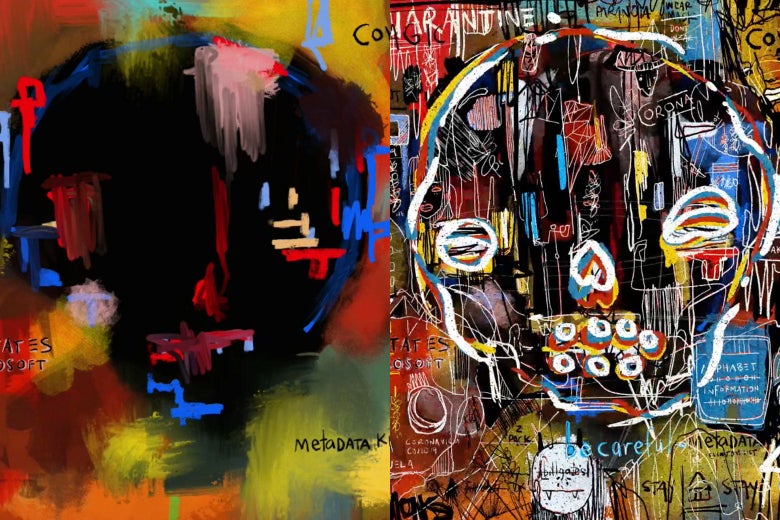 Central to the NFT economy is the abstraction of artificial scarcity. Part of the core ethos of blockchain advocates is in the belief that the technology cannot be gamed or manipulated. The medium (of exchange) is the message. But as with other digital files, digital art can be copied infinitely without degradation. This inevitably shapes the market for digital goods, from software to media to art.
Source: Can an NFT Artist Sell Virtually the Same Work More Than Once?
Demands of copyright trolls must be reasonable, EU’s top court rules

Source: Demands of copyright trolls must be reasonable, EU’s top court rules
Nintendo Warns Twitch Streamers – ‘Don’t Co-Stream E3 Showcase’
 Microsoft let streamers know ahead of its big showcase on Sunday that co-streaming is encouraged. It obtained all the re-transmission rights to the music featured in its trailers for up to twelve months, giving streamers ample time to hype the games with their audiences before the VODs need to be removed. Nintendo took the opposite approach, discouraging Twitch streamers from co-streaming the event entirely.
Source: Nintendo Warns Twitch Streamers – ‘Don’t Co-Stream E3 Showcase’
No, NFTs aren’t copyrights
 So far, no NFT platforms have ventured into internationally compliant territory for the copyright of art that an NFT sale represents. Doing so would be a tremendous leap for the NFT ecosystem. In addition to minimizing fraud through stronger copyright enforcement, international compliance would allow for tokenized copyright exchange within the blockchain itself.
Source: No, NFTs aren’t copyrights
Copyright Royalty Board Reveals Increased Webcasting Royalty Rates
 The three-judge Copyright Royalty Board just recently outlined its decision on webcasting royalty rates. This updated rate – $0.0026 per performance for commercial-webcast subscription services and $0.0021 per performance for non-subscription commercial webcasters – will remain in place from January 1st, 2021, until December 31st, 2025, except for annual cost-of-living adjustments.
Source: Copyright Royalty Board Reveals Increased Webcasting Royalty Rates