 The collecting society that represents performers in Belgium has welcomed proposals by the country’s Council Of Ministers to introduce a new digital remuneration right for artists as part of the implementation of the 2019 European Copyright Directive.
Source: Belgian performer society welcomes proposed new digital remuneration right
 The rise of streaming on platforms such as Spotify and YouTube, combined with larger teams of writers behind hit songs, have led to a surge in high-profile copyright infringement cases in the past few years. Most recently, Ed Sheeran is locked in an ongoing legal battle over Shape of You, Spotify’s most streamed song ever.
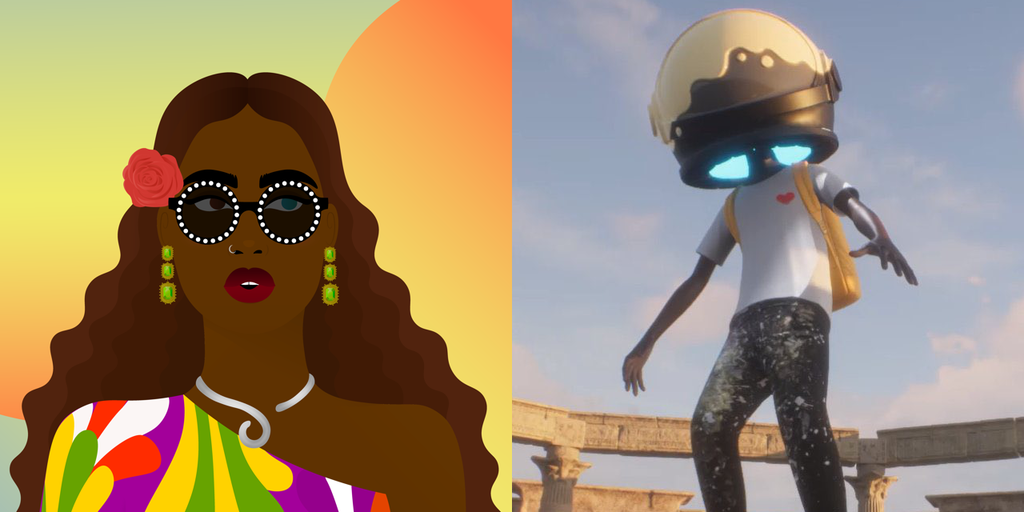
 Most art NFTs do not include an actual copy of the content, but instead merely point to a copy somewhere off-chain on the internet (e.g., on a server). For a content creator who discovers a counterfeit NFT of his or her art, this means that Notice-and-Takedown is mostly limited to targeting and removing that NFT’s marketplace listing.
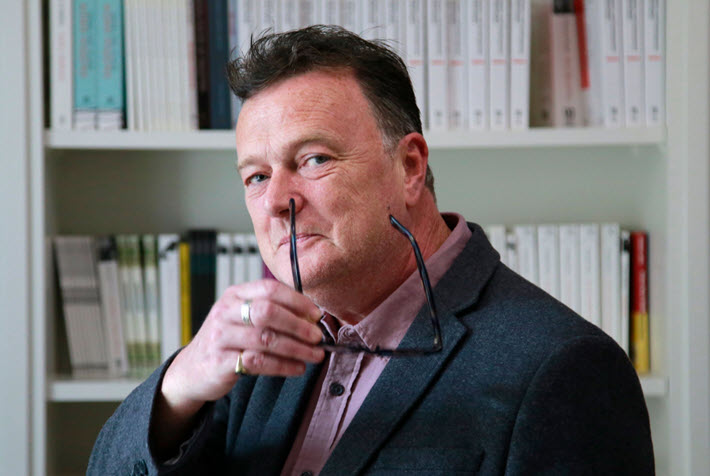
 Bad guys emerged instantly when the home video revolution enabled mass duplication of bootleg cassettes, and later DVDs, to be sold cheaply from black market to flea market. Such centralized operations gave way, with the dawn of the internet, to a decentralized model in which individual file sharers would trade content with their friends — a much harder paradigm to monitor, van Voorn concedes.
 A federal appeals court ruled in Katy Perry’s favor in the ‘Dark Horse’ copyright lawsuit against Christian rapper Marcus Gray. Perry’s win in 2020 marked a rare occasion in which a court overturned a jury verdict in a copyright infringement case. That same year, Led Zeppelin defeated plaintiff Michael Skidmore over a factually similar suit over “Stairway to Heaven.”
 Early Tuesday, the U.K.’s performing rights organization, PRS for Music, said it has formally and immediately suspended its rights representation relationship with RAO, the Russian collecting society for musical works,