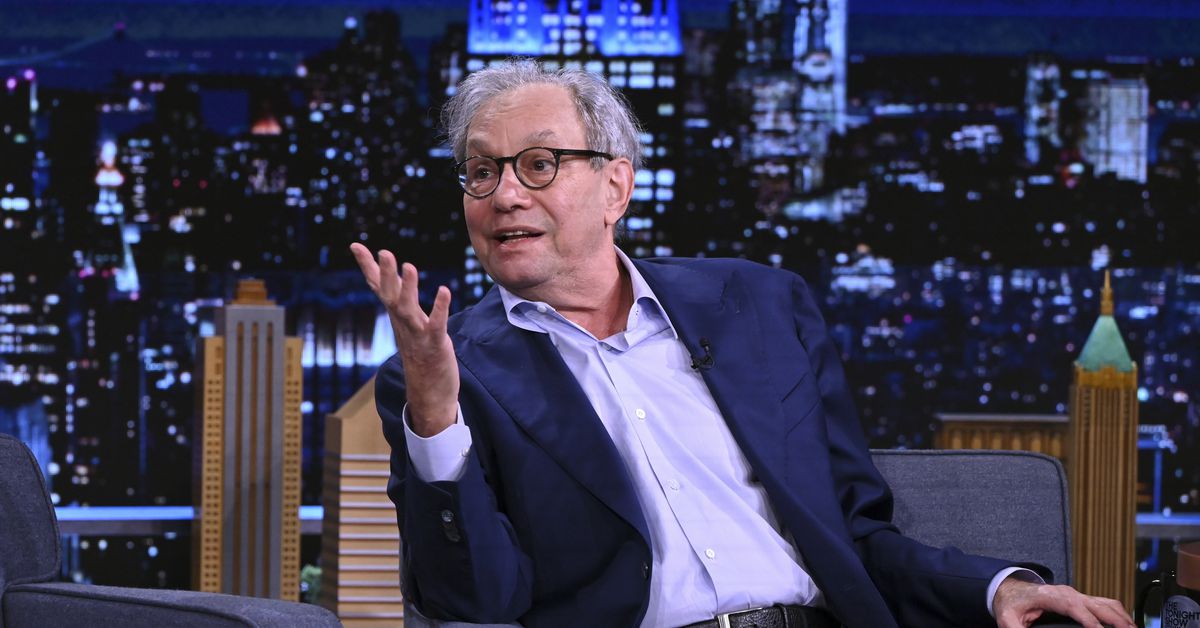
 Comedian Lewis Black filed suit against SiriusXM-owned audio streamer Pandora on Thursday, arguing that the company ran recordings of his performances without obtaining the copyright to his written work. It is the latest escalation in the messy fight between comedians, streamers, and the performing rights organizations that have recently stepped in to standardize spoken-word copyright in the digital age.
Source: Lewis Black sues Pandora for $10 million over copyright infringement
 Streaming fraud “will influence market share and the distribution of royalties across the entire ecosystem,” Hayduk explains. “Even if just 2% of fraud is slipping through, that’s a material number And I think it’s more than that.” U.S. streaming revenue exceeded $12.4 billion in 2021; if 2% of that was allocated to the wrong parties due to undetected fraud, that would be close to $250 million.


 In a big win for the publishing and songwriting community, the Copyright Royalty Board reaffirmed the 15.1% headline rate increase in royalties paid by streaming services to publishers for the 2018-22 period. While the decision was not immediately released publicly, sources and National Music Publishers Assn. president/CEO David Israelite shared that the headline rate will increase to 15.1% from 11.4% for that period, as previously decided.

 In an important ruling, the English High Court has recognized for the first time that there is an arguable case that non-fungible tokens (NFTs) are to be treated as property under English law. This means that the powerful proprietary remedies available to victims of cryptocurrency fraud are also available to NFT fraud victims.
 US performance rights organization SoundExchange has sued Slacker, Inc. and parent company LiveOne in the US over unpaid royalties owed to performers and rights owners. In the lawsuit, filed in California Central District Court on Tuesday (June 28), SoundExchange claims that Slacker stopped paying statutory royalties to creators in 2017.
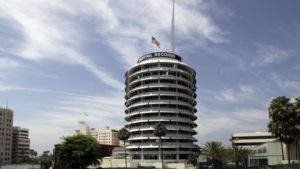 In a big win for major record labels, the Free Artists From Industry Restrictions (FAIR) Act failed to pass out of the California State Senate’s Judiciary committee late on Tuesday night. The act, also called AB Bill 983, received four votes, two short of the six needed to reach a majority from the 11-member committee.