Rights

YouTube Wants to Make Music Licensing Easier for Video Creators

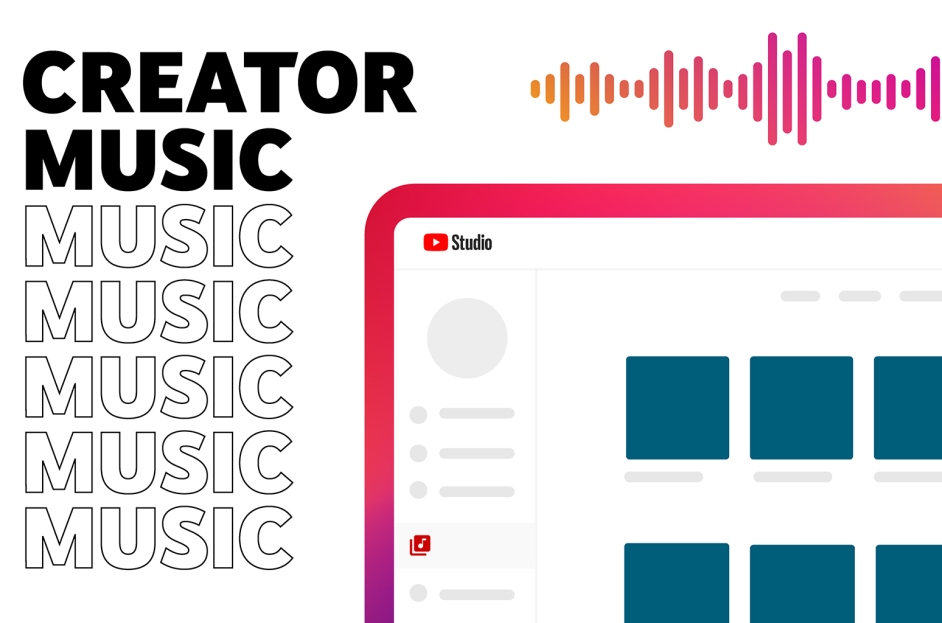
YouTube announced Creator Music on Tuesday (Sept. 20), a new digital storefront that allows creators to easily license popular music for use in their videos, generating revenue for them as well as music rights holders. YouTube already has deals in place with more than 50 labels, publishers, and distributors, including Believe, Downtown and Empire, to make “several hundred thousand tracks” available to license through Creator Music at the click of a button.

Source: YouTube Wants to Make Music Licensing Easier for Video Creators

What Is CC0? The Copyright Designation Buzzing in the NFT Space

While some in the crypto space are skeptical that the wave of profile picture (PFP)-focused NFT projects will remain relevant, many holders are hopeful about the potential long-term value of NFTs through intellectual property rights and a copyright designation known as CC0. CC0 is the most permissive of Creative Commons licenses. Under CC0, a creator can share content in its entirety for any purpose, even commercially.

Source: What Is CC0? The Copyright Designation Buzzing in the NFT Space

How Much Could Songwriter Royalties Grow? A Look at Three Scenarios

A handful of variables, including subscriber acquisitions, increased ad revenue and possible rising subscription costs, will create a multiplier effect that far surpasses the small increases in Phonorecords IV royalty rates. The same forces that built today’s music business are widely expected to continue for the foreseeable future. Streaming will expand as download and CD sales trail off.

Source: How Much Could Songwriter Royalties Grow? A Look at Three Scenarios

Defected reveals new 30% minimum royalty rate

Wez Saunders, who was recently announced as the company’s new CEO, has revealed plans to set a 30% minimum for digital royalty rates for any recording artist or producer within the label group. The majority of the electronic music-focused label’s roster already have rates of at least 30% but, according to the new plans, as of this month, a 30% minimum rate has become standard.

Source: Defected reveals new 30% minimum royalty rate

Minimal Oversight and Few Obvious Repercussions Leave YouTube’s Royalty System Ripe for Abuse

Louis Armstrong released “What a Wonderful World” in 1967, and the track eventually made its way to YouTube, like nearly every other recording, where it earns royalties for the single’s owner as well as its songwriters. For roughly a month in 2017, however, about $468 of the song’s publishing royalties made its way to the company Create Music Group, despite the fact that Create did not represent any of the parties involved in the song.

Source: Minimal Oversight and Few Obvious Repercussions Leave YouTube’s Royalty System Ripe for Abuse

Why copyright is a bad fit for the internet age

Controlling in detail how we enjoy books, music or films is not what copyright is designed for. Copyright is supposed to be about rewarding artists fairly for their creativity. Modern copyright fails to do that. A 2018 survey by the Authors Guild revealed that median earnings from book income fell by 50%, from 2009′s $6,250, to $3,100 in 2017. In the music industry, a 2021 U.K. Parliament report found that performers’ incomes average less than the median wage.

Source: Why copyright is a bad fit for the internet age

Should Congress save newspapers from Google?

One very clear indication that the market power story has merit is that last year, the Australian government made a significant change to policy to undo part of big tech’s bargaining leverage. If “the internet killed the news,” then changes to ad markets wouldn’t matter. But the result of the new law was a massive increase in journalism.

Source: Should Congress save newspapers from Google?

Bill to force Big Tech to pay publishers for news ‘blown up’ by censorship amendment

Proposed legislation that would force Big Tech to pay publishers for aggregating news content online stalled in the Judiciary Committee Thursday after an amendment introduced by Sen. Ted Cruz to prohibit censorship “collusion” narrowly passed, sharply dividing the bipartisan sponsors of the bill. “I don’t think we can support this bill anymore,” said Sen. Amy Klobuchar, D-Minn., a co-sponsor of the bill. “I think the agreement that we had has been blown up.”

Source: Legislation to force Big Tech to pay publishers for online news ‘blown up’ by censorship amendment

Mobile rhythm game Beatstar paid out $16 million to music rightsholders in its first year

Beatstar, a Guitar Hero-like mobile game that features global music hits, has shared $16 million of its revenue with music labels and publishers in the first year since its launch. Tested in beta in September 2020 and subsequently launched a year later, the app, now owned by Clash of Clans maker Supercell, has been downloaded 38 million times to date and has raked in$73 million in revenue, according to a company press release.

Source: Mobile rhythm game Beatstar paid out $16 million to music rightsholders in its first year

Get the latest RightsTech news and analysis delivered directly in your inbox every week
We respect your privacy.