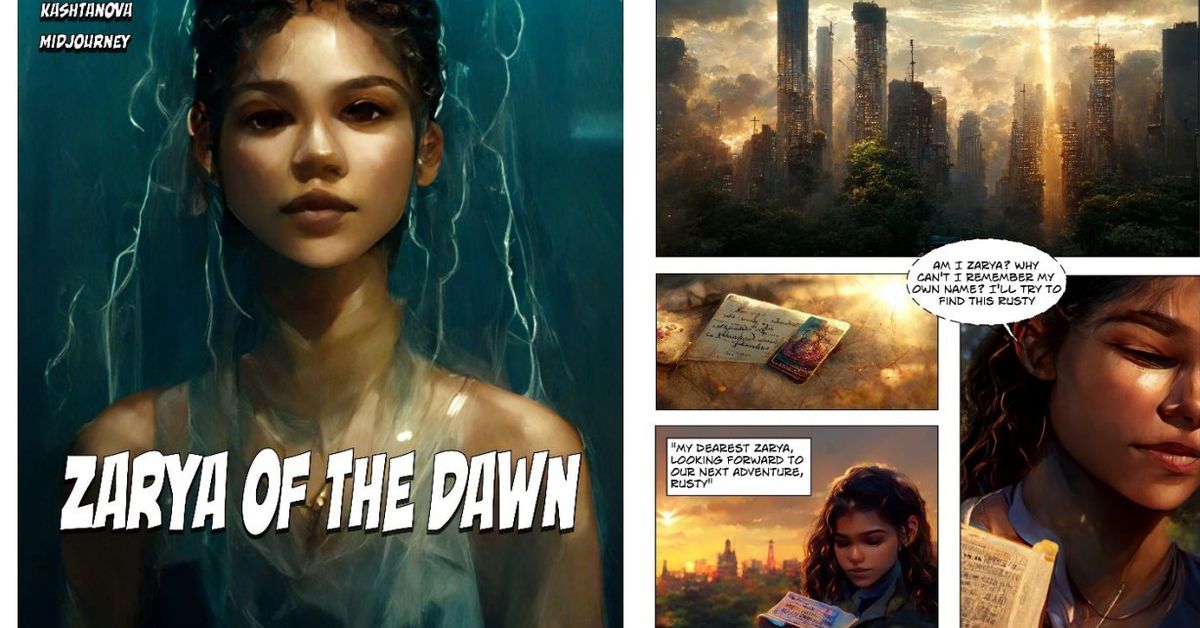
 AI assistants can reach behind paywalls. A user trying to find the New York Times’s recipe for macaroni and cheese will be stopped by a demand for payment and subscription. But ask Bing’s AI and it serves up a paraphrased version of the whole recipe, complete with a licking-lips emoji. The chief counsel at one large media company argues that AI-search companies should be made to license the content they regurgitate, just as Spotify has to pay record labels to play their songs.
Source: Artificial intelligence is reaching behind newspaper paywalls
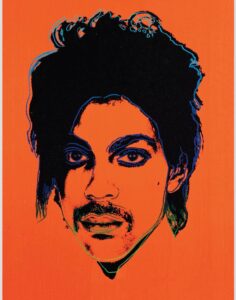 Any day now, the Supreme Court will hand down a decision that could change the future of Western art — and, in a sense, its history, too. Blame the appeals court judgment from 2021 declaring that Andy Warhol had no right to appropriate someone else’s photo of Prince into one of the Pop artist’s classic silk-screened portraits. Artists piled on with a brief slamming the appeals court for “denigrating art that borrows, appropriates and replicates prior works as something akin to plagiarism or exploitation.”

 It was just over a year ago that a federal judge in Maryland struck down the state’s groundbreaking library e-book law. But with the 2023 legislative year underway, library advocates are back with new model legislation they say can help ensure “fair and equitable licensing terms in e-book contracts for libraries” while avoiding the thorny copyright issue that doomed Maryland’s law.