 Maria Schneider’s lawsuit against YouTube alleges several types of mass copyright infringement and repeat infringer failures. The trial begins next month, with proposed jury instructions already running to 243 pages. YouTube believes it will win, but the stakes are rarely this high. In addition to damages, the plaintiffs want YouTube to disclose details of files that remain on the site after identical copies were removed due to DMCA notices. And that’s not all.
Source: Major YouTube Copyright Lawsuit Nears Trial With Almost Everything On the Line * TorrentFreak
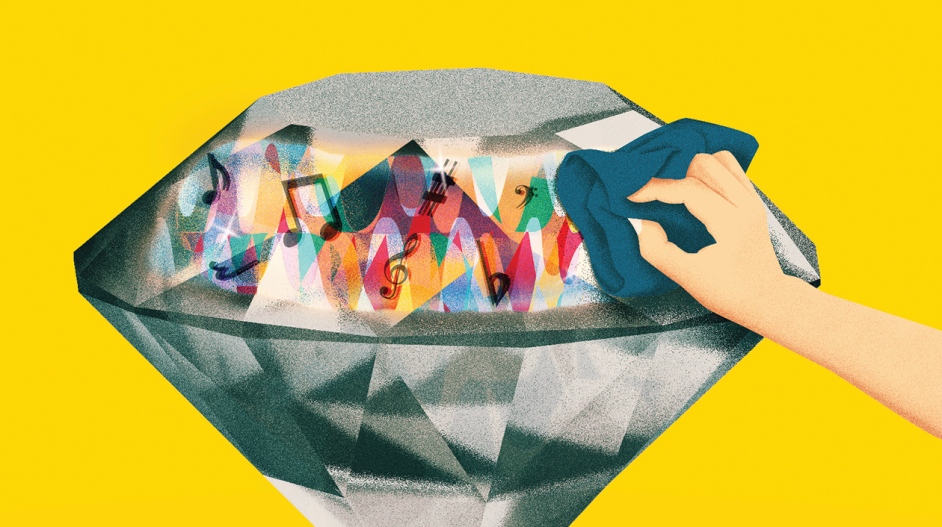

 Music represented by the Italian Society of Authors and Publishers (SIAE) is returning to Meta-owned platforms such as Facebook, Instagram and WhatsApp following a new agreement signed with the technology giant. The deal is seen as a victory for SIAE, the main collecting society for tens of thousands of songwriters in Italy. The move comes after a temporary suspension of SIAE’s music on Meta’s platforms due to the parties’ failure to renew a licensing deal earlier this year.
 At an AI summit at the White House, OpenAI CEO Sam Altman said his company is working on AI models that respect copyright. The goal, he said, is for content creators to be paid when their content, or in the case of images, their style, is used. Technical details are not yet known. Possible options for text generation would be a Spotify-like streaming solution based on the tokens used if the generation can be uniquely attributed to sources, or a flat rate based on the amount of data one provides to OpenAI.

 In December, Canadian illustrator and content creator Sam Yang received a snide email from a stranger asking him to judge a sort of AI battle royale in which he could decide which custom artificial intelligence image generator best mimicked his own style. In the months since Stability AI released the Stable Diffusion generator, AI enthusiasts had rejiggered the tool to produce images in the style of specific artists; all they needed was a sample of a hundred or so images.
 The annual Irish Music Rights Organization (IMRO) and Law Society Annual Copyright Lecture has been told that an EU Copyright directive “clearly improves” the position of press publishers and journalists in their relationship with technology giants. Dr Mark Hyland (IMRO Adjunct Professor of Intellectual Property at the Law Society) warned, however, that some of the wording in the directive was ambiguous, and could lead to litigation.