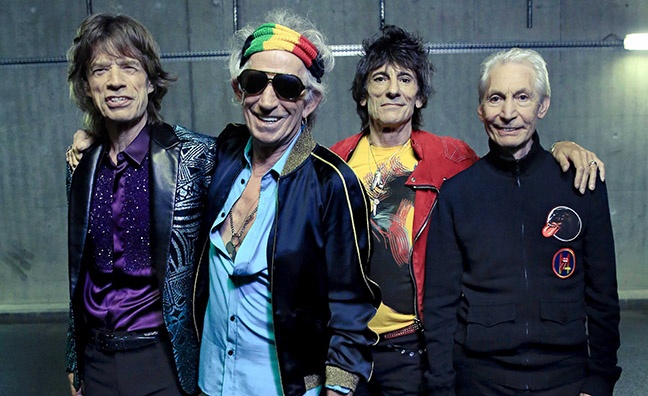
 This renewed call comes on the back of a report last week by The World Intellectual Property Organisation (WIPO), which said this is a “systemic problem [that] cries out for a systemic solution” and concluded that streaming should start to pay more like radio.
Source: Rolling Stones, Tom Jones, Emeli Sandé, Pet Shop Boys and more join call for PM to ‘fix streaming’
 A new income-producing NFT offers a cut of all future mechanical, public performance and sync royalties for Lil Dicky’s “Save Dat Money.” Spearheaded by Royalty Exchange, the world’s largest platform for buying and selling royalties, the first-ever music publishing NFT allows investors to buy music catalogs and songs using the Ethereum cryptocurrency, bringing “real” value to the NFT marketplace.
 Even after the 2018 passage of the Music Modernization Act, the industry is beholden to laws written long before the advent of digital entertainment. On the tech side, the tools PROs use to track royalties are no match for those used by the streaming giants. And the industry tends to balk at the idea of change, in large part because the players at the top don’t want to tamper with the mechanisms that got them there.
 Chinese games and tech firm NetEase has unveiled plans to spin off its music streaming business NetEase Cloud Music into a company that would have its own listing on the Hong Kong Stock Exchange. It had 180 million monthly users at the end of 2020, making it the number two online music player in China.
 Royalty Exchange, a marketplace where music artists can offer shares of future royalties in exchange for immediate funding from investors, has opened its business to YouTube creators. Prankster CJ So Cool, who has 8.7 million subscribers and nets an average of around 30 million views per month, is the first YouTuber to make an offering on the platform.