 Tensions between the creative community and the entertainment industry’s gatekeepers over compensation have been on the rise since spring of last year, when Covid-19 upended the way entertainment is distributed and consumed. Ultimately studios are moving toward the Netflix system—big upfront payments to talent and no profit participation; Netflix’s all-you-can-eat subscription model makes it virtually impossible to attribute revenue to a particular movie or series.
Source: Scarlett Johansson Lawsuit Stirs Debate Over Streaming-Era Movie Compensation
 France-based Vivendi, parent of Universal Music Group, has sold 7.1% of that company’s share capital to Pershing Square Holdings, the investment firm managed by billionaire Bill Ackman, for $2.8 billion, with the possibility to sell him a further 2.9% by September 9, 2021. The deal values UMG — the world’s largest music company — at 35 billion Euros, or around $41 billion.
 At stake is the lucrative power play between distributors and creators that the streaming revolution overturned. Hitmakers accustomed to decades of risk-free profit-share deals have been moping around since Netflix — followed by streaming competitors including Disney+ and Amazon — swooped into town brandishing a new kind of deal: lump sum buyouts that limit talent upside while adding value to their platforms.
 Spotify’s not having a great time. The streaming service faced a punishing reaction on Wall Street following its second-quarter results last month: Daniel Ek’s firm’s share price fell 5.7 percent in a day, wiping around $2.5 billion off the market cap of the company in a few short hours.
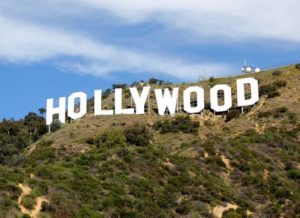 Hollywood and media industry financing sources have tended to be cyclical, with new money refreshing the old every few years. The current cycle of private equity investment, though, is bucking that history and could extend the M&A wave for years to come, dealmakers say.