 Hollywood and media industry financing sources have tended to be cyclical, with new money refreshing the old every few years. The current cycle of private equity investment, though, is bucking that history and could extend the M&A wave for years to come, dealmakers say.
Finance
Facebook still isn’t a friend to publishers: Gannett CEO
Gannett Chairman and CEO Michael Reed weighs in on the state of the news industry following better than expected second quarter results. “[Facebook] is not a friend to the industry, not at all. We do over $3 billion in sales per year between subscriptions, digital marketing solutions…It’s not even a drop in the bucket what the likes of Facebook talks to us about today,” said Gannett Chairman and CEO Michael Reed on Yahoo Finance Live.
Source: Facebook still isn’t a friend to publishers: Gannett CEO
Primary Wave confirms stake in Prince estate,
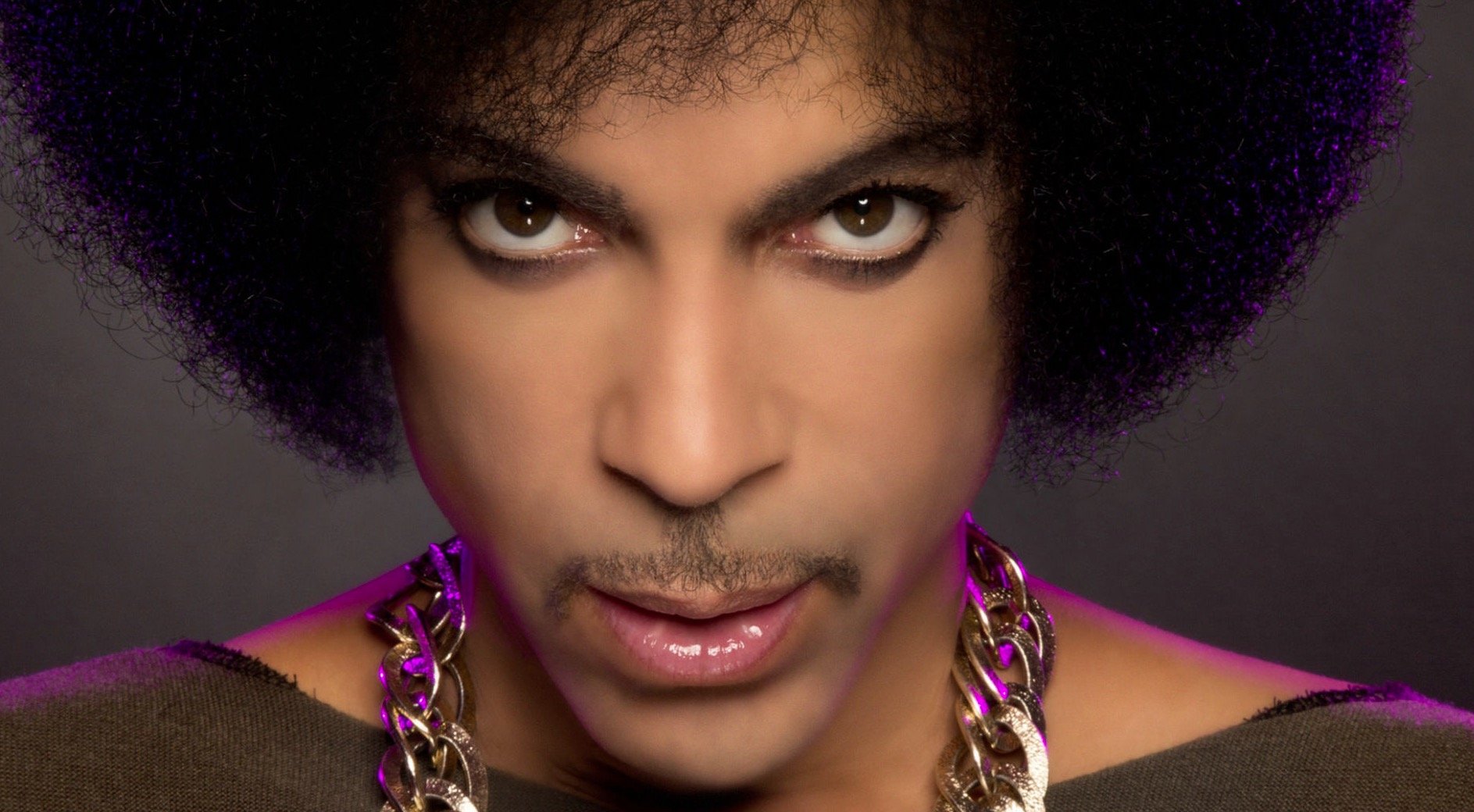 Primary Wave has now confirmed in an official media release that it has acquired expectancy interests in the estate of Prince from the late singer’s siblings. The exact percentages of those interests haven’t been disclosed, however. According to the media statement, as part of new deals Primary Wave Music has acquired an expectancy interest which encompasses assets including the singer’s publishing, master recording income stream, name, likeness, and brand.
Source: Primary Wave buys stake in Prince estate, encompassing publishing, master recording income and more
A Super Mario Bros. game sells for $2 million, another record for gaming collectibles.
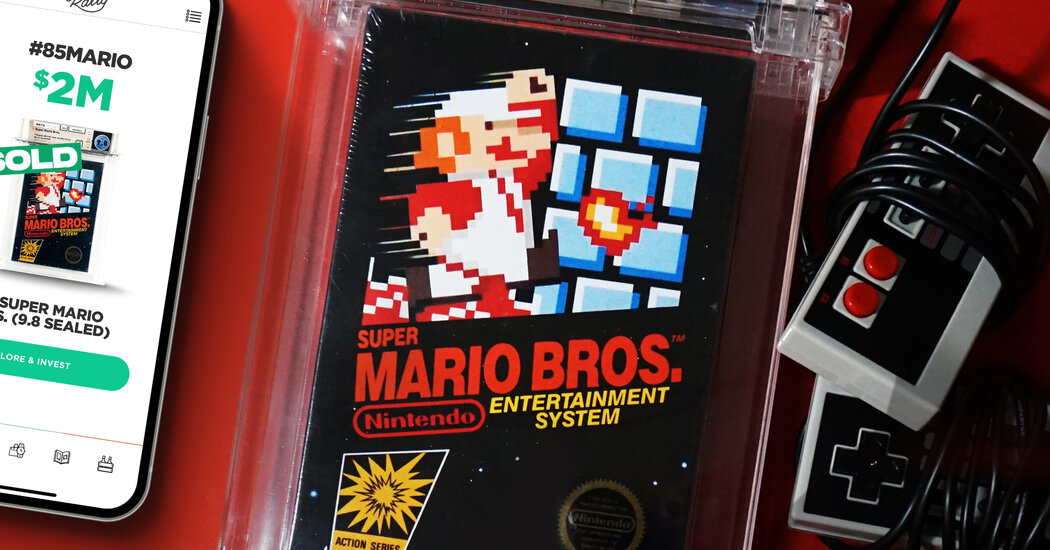 A vintage Super Mario Bros. video game has sold for $2 million, a collectibles company announced Friday, breaking the record for the most expensive video game sale that was set just weeks ago. The 1985 game, made for Nintendo’s original console, has never been opened — a rarity for old video games, said Rob Petrozzo, one of the founders of the collectibles site, Rally. An anonymous buyer purchased it, he said.
Source: A Super Mario Bros. game sells for $2 million, another record for gaming collectibles.
Scarlett Johansson’s Black Widow lawsuit has unearthed a huge problem with streaming
 While actors know now that they need to negotiate terms for streaming, determining their worth is more difficult than simply looking to box office receipts. Streaming services hold their performance data extremely close to the chest, and they’re reluctant to share specifics about engagement and earnings on specific titles.
Source: Scarlett Johansson’s Black Widow lawsuit has unearthed a huge problem with streaming
Warner boss Steve Cooper talks TikTok and Peloton revenues and the value of record labels
 According to Cooper, as a result of WMG’s “digital first strategy”, the company’s revenue from emerging platforms, including Facebook, video app TikTok and fitness platform Peloton “is now running at roughly $235 million on an annualized basis”. Cooper also confirmed that this figure is “just from recorded music”.
Former-Uni vice chair Ron Meyer Inks Deal to Rep Qatar as It Eyes Hollywood Investments
 Meyer will serve as an adviser to the Doha Film Institute. The precise scope of his mission is not clear but sources say he will offer counsel on investment in content as well as potentially building stages to attract production. Qatar’s aim to become a bigger investment player in Hollywood is said to be a major foray spearheaded by Hassan Al-Thawadi, the architect behind the country’s 2022 FIFA World Cup event.
Source: Ron Meyer Inks Rich Deal to Rep Qatar as It Eyes Hollywood Investments
How future proof is the current evaluation of music copyrights?
 Evaluation of music rights based on past income and future income according to the old income splits needs re-evaluation. New rights owners have new relationships. They will need them to maximise the potential revenue in the Metaverse and capitalize on what NFTs have to offer.
Source: How future proof is the current evaluation of music copyrights?
Eminem, Sony Music Invest in NFT Marketplace Startup MakersPlace
 The gold rush surrounding non-fungible token (NFT) digital collectibles continues: MakersPlace, a marketplace for buying and selling digital artwork and other creations, has raised $30 million in funding from investors including rapper Eminem and Sony Music Entertainment.
Commentary: How copyright violations can crash your NFT party
 As more and more institutional money is invested into NFTs, issues that may have been ignored in a niche industry are suddenly becoming important in a multibillion-dollar industry. In the NFT sphere, one previously ignored issue is intellectual property (“IP”) law. Even in the decentralized world of NFTs, copyright laws apply, and investors should understand their importance prior to investing.
Source: Commentary: How copyright violations can crash your NFT party