
 The global music rights acquisitions space’s biggest players have been predominantly based in the US and Europe to date. But over in Asia, new big-money funds have started to make some serious noise over the past few months. Today a new Asia-focused fund just entered the space and it’s launched with an initial raise of USD $100 million.
Finance
Netflix: Analysts’ Views Improve, And It’s Now Forecast To Remain #1 In Global Subs
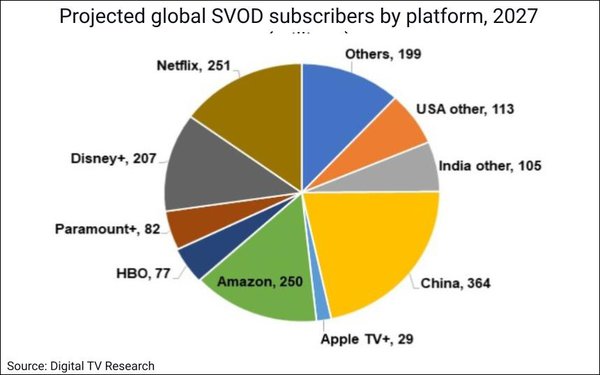 After seeing its stock price plummet 60% following two quarters of reported subscriber losses, things may be looking up for Netflix. Following its July announcement that it will launch an ad-supported tier, and its decision to move that launch up to November instead of waiting until Q1 2023, several analysts have upgraded their assessments of the stock.
Triller, Swizz Beatz, and Timbaland Settle Lawsuit Over Verzuz Pay
 Triller has settled a lawsuit filed by Timbaland and Swizz Beatz, who claimed that they were owed additional pay for their sale of Verzuz. Though the settlement agreement’s precise terms haven’t been publicly announced, the deal presumably centers on Triller making additional payments to the Beatclub founder Timbaland and Swizz Beatz (who’s promptly resumed plugging Verzuz on his social media accounts).
Source: Triller, Swizz Beatz, and Timbaland Settle Lawsuit Over Verzuz Pay
Shrinking M&A Appetite Spells Bad News for Digital Media
 The pace of media M&A in 2022 so far this year is slower than last year, and transaction values are down significantly. By this time last year, media M&A transaction volume reached $143 billion compared with just $18 billion so far this year. Excluding 2020, that is the lowest total going back to 2013. With just three months left in 2022, it is hard to see this year’s media M&A activity surpassing last year.
Source: Shrinking M&A Appetite Spells Bad News for Digital Media
Could Comcast make a move for Warner Bros. Discovery?
 The report suggested Comcast CEO Brian Roberts could be interested in combining WBD with NBCUniversal, giving the cable giant access to a well-known streaming service in the form of HBO Max. “Obviously Peacock sucks,” one exec familiar with both companies told THR. “There are some good synergies. I’m sure [Roberts] is licking his chops because the [WBD] stock is so low. And I think that’s Zaslav’s endgame. Get the place sold.”
Source: Could Comcast make a move for Warner Bros. Discovery?
Blockchain music making startup Arpeggi Labs raises $5.1m from Steve Aoki, 3LAU and more
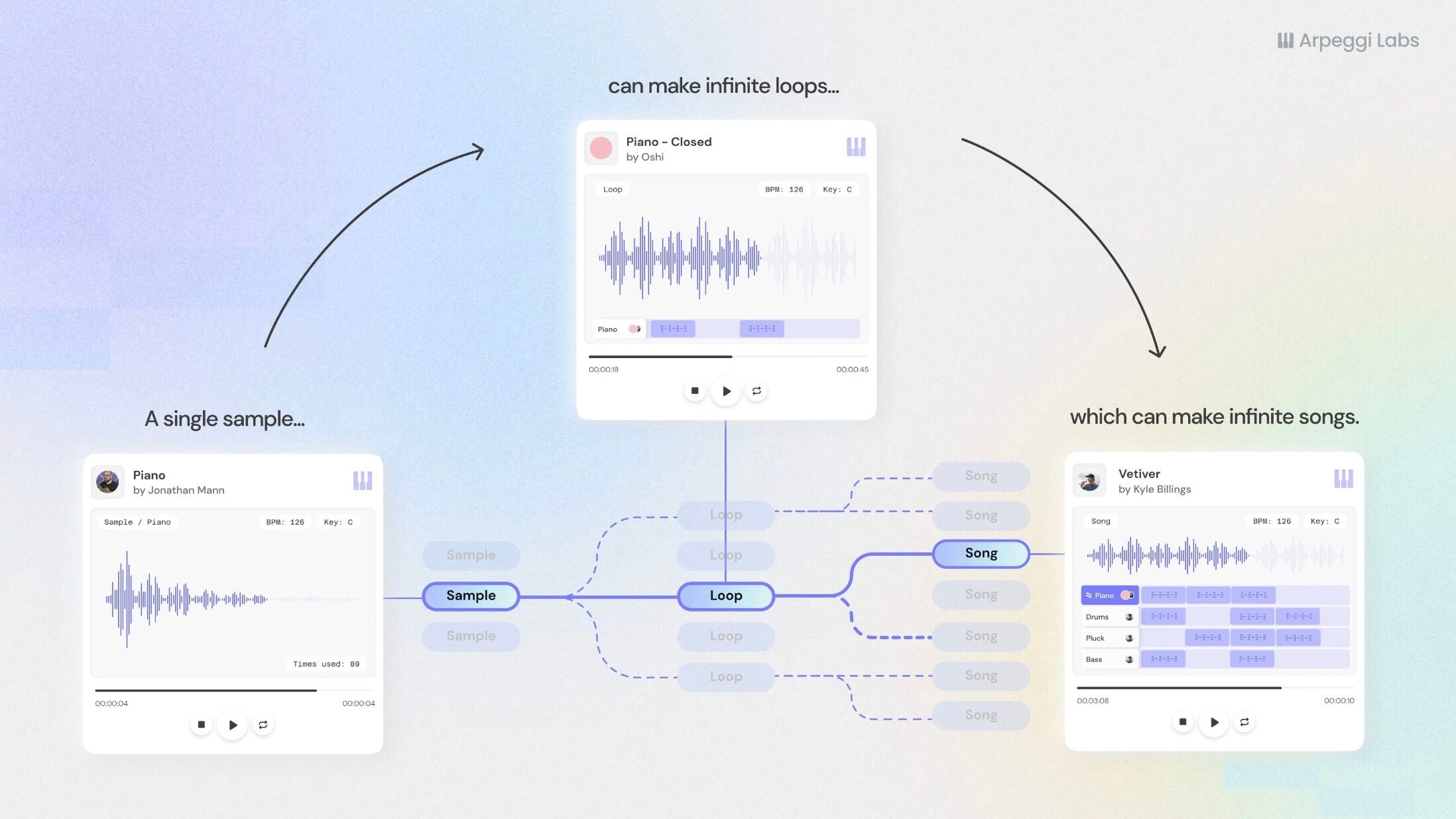 The startup claims to be the first blockchain music creation platform, allowing creators to compose, collaborate and sell their music on the blockchain. The startup says that it lets musicians “compose and mint their songs as fully on-chain NFTs”. Arpeggi also claims that its Arpeggi Studio is the only on-chain digital audio workstation (DAW).
Steve Cooper: Warner Music is becoming less financially dependent on superstar artists
 Speaking at Communacopia on Monday, Cooper suggested that Warner Music Group is investing an “enormous amount of A&R resources” across a bigger number of artists than it once did – including superstars and non-superstars. This, he said, constitutes a “portfolio” strategy that on average results in “mid to high teen [percentage] returns” for WMG.
Podcast subscription service Podimo raises $58.7m in fresh funding
 Podimo, a Denmark-based podcast and audiobook subscription platform that competes with the likes of Spotify, Apple, and Luminary, has raised €58.6 million ($58.7m). The company says that the funding will go towards market expansion, content, and enhanced investments in tech and product. The latest raise follows Podimo’s $78 million Series B round in November.
Source: Podcast subscription service Podimo raises $58.7m in fresh funding
Night Media wants to acquire “established consumer-facing companies,” launches $100m investment firm
 Night Capital will focus on “acquiring established consumer-facing companies in partnership with leading talent,” according to a press release. Translation: Night will use its nine-digit war chest to pick up majority stakes in the companies it backs. Then it will connect those entities to creators, who will help guide “the strategic vision and future business growth” of Night Capital’s assets.
Sir Lucian Grainge on streaming growth, catalog deals and the balance of power between labels vs. DSPs
 Commenting on music streaming’s growth prospects in the face of the economic uncertainty and the cost of living crisis, Grainge argued that music is “robust”, and looked to previous downturns in the eighties and nineties where music was shown to be a resilient entertainment format in spite of macroeconomic headwinds.